
Table of Contents
Composite Injection Molding: 5 Transformative Benefits for Effective Smile Restoration
September 8, 2025
No Comments
Read More »
Dental Composite: 5 Stunning Benefits for Effective Smile Enhancement
September 4, 2025
No Comments
Read More »
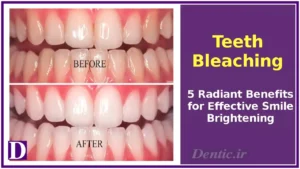
Teeth Bleaching: 5 Radiant Benefits for Effective Smile Brightening
August 31, 2025
No Comments
Read More »

Dental Veneer: 5 Stunning Benefits for Effective Smile Enhancement
August 31, 2025
No Comments
Read More »
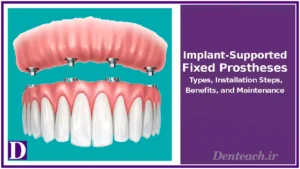
Implant-Supported Fixed Prostheses: 5 Advanced Benefits for Effective Smile Restoration
August 31, 2025
No Comments
Read More »
Cosmetic dentistry
Cosmetic Dentistry: Crafting Radiant Smiles Through Art and Science
Cosmetic dentistry is a dynamic field of dental care that blends artistry with clinical expertise to enhance the aesthetic appeal of a patient’s smile. Focused on improving the visual appearance of teeth, gums, and overall smile aesthetics, cosmetic dentistry addresses both minor imperfections and significant dental concerns, boosting confidence and oral health. From teeth whitening to orthodontics, these procedures transform smiles while maintaining functionality. This article explores the definition, common procedures, indications, patient experience, post-treatment care, benefits, challenges, and future trends in cosmetic dentistry, highlighting its transformative role in modern dental practice.
Defining Cosmetic Dentistry
Cosmetic dentistry encompasses dental procedures aimed at enhancing the appearance of teeth, gums, and the overall smile, often prioritizing aesthetics over purely functional concerns. Unlike restorative dentistry, which focuses on repairing damaged teeth, cosmetic dentistry targets visual improvements, such as color, shape, alignment, and symmetry. With over 30% of adults in the U.S. seeking cosmetic dental treatments annually, according to the American Academy of Cosmetic Dentistry (AACD), these procedures address issues like discoloration, misalignment, or uneven gums, delivering radiant smiles that enhance self-esteem and social interactions. By combining advanced materials, digital technologies, and artistic precision, cosmetic dentistry offers personalized solutions for patients of all ages.
Common Cosmetic Dentistry Procedures
Cosmetic dentistry includes a variety of procedures tailored to individual aesthetic goals:
1. Teeth Whitening
Teeth whitening, or bleaching, removes stains and discoloration caused by coffee, tea, tobacco, or aging. Professional in-office whitening uses high-concentration peroxide gels, often activated by laser or light, achieving results in a single session. At-home kits prescribed by dentists provide gradual whitening. Success rates exceed 90% for suitable candidates, per clinical studies.
2. Dental Veneers
Veneers are thin, custom-made porcelain or composite resin shells bonded to the front of teeth to improve shape, color, or alignment. Ideal for correcting chips, gaps, or discoloration, veneers offer a natural appearance and durability, lasting 10–15 years with proper care.
3. Dental Bonding
Bonding involves applying tooth-colored composite resin to repair chips, cracks, gaps, or minor misalignment. The resin is shaped and polished to match natural teeth, offering a cost-effective, single-visit solution. Bonding typically lasts 5–10 years.
4. Orthodontics
Orthodontic treatments, such as clear aligners (e.g., Invisalign®) or traditional braces, correct misaligned or crooked teeth, improving both aesthetics and function. Modern options prioritize discretion and comfort, with treatment times ranging from 6 months to 2 years.
5. Gum Contouring
Gum contouring, or gingival reshaping, corrects uneven or excessive gum tissue (gummy smile) using laser or surgical techniques. This procedure enhances smile symmetry and balances tooth-to-gum ratios, with recovery in 1–2 weeks.
Indications for Cosmetic Dentistry
Patients pursue cosmetic dentistry for various aesthetic concerns:
- Stained or Discolored Teeth: Yellowing or staining from diet, smoking, or medications.
- Chipped or Cracked Teeth: Minor damage affecting tooth appearance or integrity.
- Uneven or Misaligned Teeth: Crooked, crowded, or gapped teeth impacting smile aesthetics.
- Gummy Smile: Excessive gum display creating an unbalanced smile.
- Tooth Shape or Size Issues: Irregularly shaped or disproportionately small teeth.
These concerns, while often aesthetic, can also affect self-confidence and social interactions, making cosmetic dentistry a valuable solution.
The Cosmetic Dentistry Experience
The journey to a radiant smile involves several steps:
- Consultation: Patients discuss smile goals with a dentist, who evaluates oral health, takes X-rays, or uses intraoral scanners to assess treatment options.
- Treatment Planning: A personalized plan is created, often using digital smile design software to preview outcomes (e.g., DSD App by Align Technology).
- Procedure Implementation: Treatments are performed with precision, often in one or multiple visits, depending on complexity (e.g., whitening in one session vs. orthodontics over months).
- Smile Transformation: Patients enjoy their enhanced smile, with follow-up visits to ensure satisfaction and monitor results.
Post-Cosmetic Care Tips
Maintaining cosmetic results requires diligent care:
- Oral Hygiene: Brush twice daily with non-abrasive toothpaste and floss to prevent staining or decay.
- Regular Check-Ups: Visit the dentist every 6 months to monitor restorations and gum health.
- Avoid Staining Agents: Limit coffee, tea, red wine, and tobacco to preserve whitening or veneer aesthetics.
- Protect Restorations: Use a mouthguard for sports or if bruxism is present to prevent damage to veneers or bonding.
- Healthy Lifestyle: Maintain a balanced diet to support oral and overall health.
Benefits of Cosmetic Dentistry
Cosmetic dentistry offers numerous advantages:
- Enhanced Aesthetics: Improves smile appearance, boosting confidence and social interactions.
- Improved Function: Orthodontics and restorations enhance bite alignment and chewing efficiency.
- Durability: Treatments like veneers and crowns last 10–15 years with proper care.
- Minimally Invasive Options: Bonding and whitening require little to no tooth reduction.
- Personalized Solutions: Tailored treatments meet individual aesthetic and functional needs.
Challenges and Considerations
Challenges include:
- Cost: Procedures like veneers ($800–$2,000 per tooth in the U.S.) can be expensive, though financing options exist.
- Maintenance: Whitening requires periodic touch-ups; veneers and bonding may need replacement.
- Tooth Sensitivity: Whitening or bonding can cause temporary sensitivity in 10–20% of patients.
- Irreversibility: Veneers often require permanent enamel reduction, necessitating long-term commitment.
Future Trends
Cosmetic dentistry is evolving with technology:
- Digital Smile Design: Intraoral scanners and AI-driven software enhance treatment planning precision.
- Advanced Materials: Stronger, more natural-looking composites and ceramics improve durability and aesthetics.
- Minimally Invasive Techniques: Laser whitening and no-prep veneers reduce recovery time.
- 3D Printing: Enables rapid fabrication of custom restorations in-office.
Conclusion
Cosmetic dentistry transforms smiles by combining artistry and advanced dental techniques, addressing aesthetic concerns like discoloration, misalignment, and gummy smiles. Procedures like teeth whitening, veneers, bonding, orthodontics, and gum contouring enhance appearance and confidence while maintaining oral health. With proper care and emerging technologies, cosmetic dentistry offers lasting, personalized solutions. Consult a certified dentist or visit American Academy of Cosmetic Dentistry to explore options for a radiant smile.
- American Academy of Cosmetic Dentistry. (2025). Consumer Information.
- American Dental Association. (2025). Cosmetic Dentistry.
- Pjetursson, B. E., et al. (2018). Long-term survival of veneers and crowns. Journal of Dentistry, 81, 1–8.
- American Academy of Cosmetic Dentistry. (2025). Cosmetic Dental Procedures.
%reference%
definition
treatment
care