

Dental Sealants: Shielding Smiles from Decay with Preventive Precision
Dental sealants are a proactive, non-invasive preventive dental treatment designed to protect teeth from decay by creating a protective barrier on the chewing surfaces of molars and premolars. These thin coatings, typically made of plastic or resin, are applied to the pits and fissures of teeth, areas prone to trapping bacteria and food particles. With tooth decay affecting 26% of U.S. adults and 60% of children by age 19, according to the CDC, sealants are a critical tool in preventive dentistry. This article explores the definition, purpose, application process, candidates, benefits, maintenance, challenges, and future trends of dental sealants, emphasizing their role in safeguarding oral health.
Defining Dental Sealants
Dental sealants are thin, protective coatings applied to the chewing surfaces of posterior teeth (molars and premolars) to prevent cavities. Made from biocompatible materials like resin or glass ionomer, sealants fill the natural grooves (pits and fissures) of teeth, creating a smooth, bacteria-resistant surface. This barrier blocks acids and plaque, reducing decay risk by up to 80% in sealed teeth, per the American Dental Association (ADA). Primarily used in children and adolescents, sealants are also effective for adults with high cavity risk, offering a cost-effective, painless solution to maintain oral health and complement daily hygiene practices.
Purpose of Dental Sealants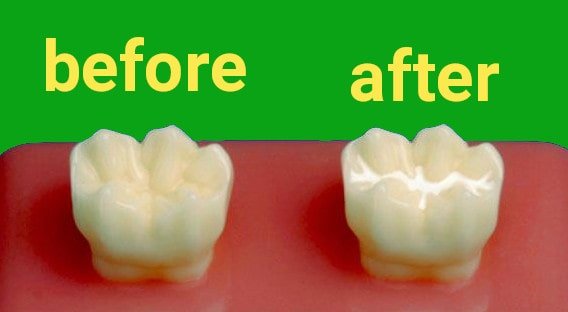
Sealants serve critical preventive functions:
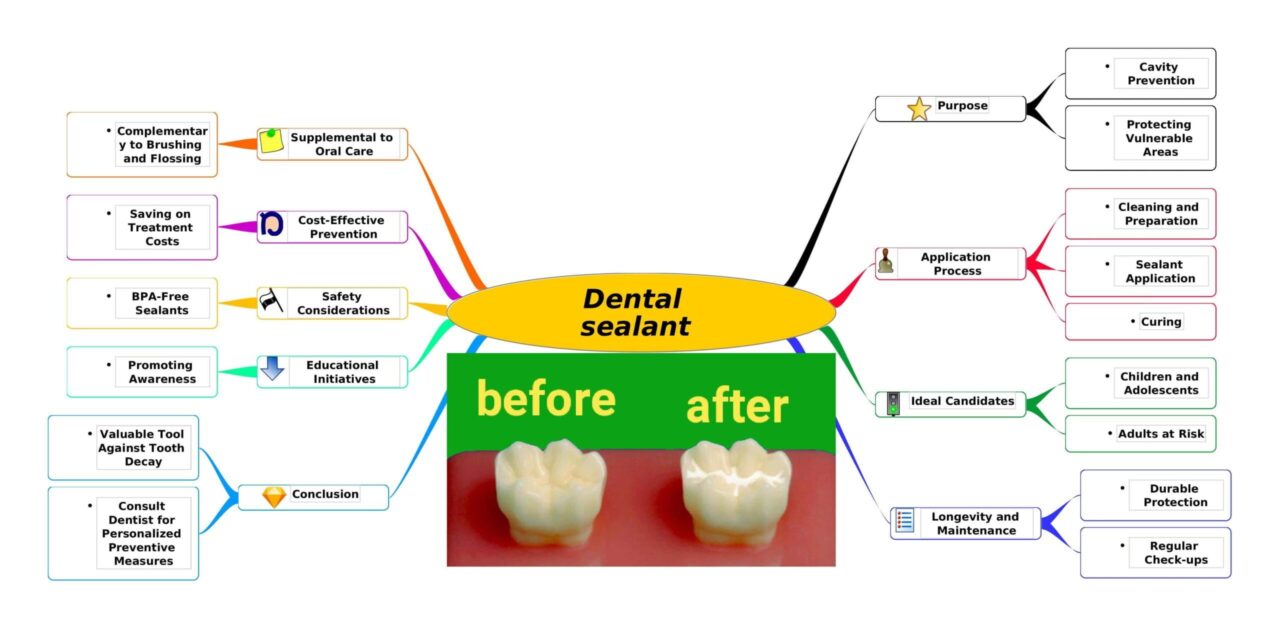
- Cavity Prevention: Act as a physical barrier, preventing bacteria, food particles, and acids from penetrating tooth grooves, reducing decay risk in vulnerable areas.
- Protecting Vulnerable Surfaces: Molars and premolars, with their deep pits and fissures, are 90% more prone to cavities than smoother front teeth, making sealants essential for these areas.
- Early Intervention: Applied soon after permanent teeth erupt, sealants provide long-term protection, especially during cavity-prone years (ages 6–14).
Application Process
The sealant application process is quick, painless, and non-invasive:
- Cleaning and Preparation: The dentist or hygienist thoroughly cleans the tooth to remove plaque and debris. An acidic etching solution is applied for 15–30 seconds to roughen the enamel, enhancing sealant adhesion.
- Sealant Application: Liquid sealant is painted onto the tooth’s chewing surface, flowing into pits and fissures. The material is carefully shaped to ensure complete coverage.
- Curing: A special blue light (or chemical curing for some materials) hardens the sealant in 20–60 seconds, bonding it securely to the enamel.
- Final Check: The dentist ensures proper fit, checks bite alignment, and polishes the sealant for a smooth finish.
The procedure takes 5–10 minutes per tooth and requires no anesthesia.
Ideal Candidates
Sealants are suitable for:
- Children and Adolescents: Recommended when permanent molars erupt (ages 6–12), providing early protection against decay, which affects 50% of children by age 11.
- Adults at Risk: Individuals with deep tooth grooves, a history of cavities, or high-risk factors like poor hygiene or sugary diets.
- Patients with Healthy Teeth: Ideal for cavity-free teeth to prevent future decay, especially in posterior teeth.
Benefits of Dental Sealants
Sealants offer significant advantages:
- Effective Cavity Prevention: Reduce decay in sealed teeth by 70–80%, per ADA studies, significantly lowering treatment needs.
- Non-Invasive: Require no drilling or enamel removal, preserving natural tooth structure.
- Cost-Effective: Cost $30–$60 per tooth in the U.S., far less than fillings ($100–$500) or crowns ($500–$2,000), with insurance often covering pediatric applications.
- Improved Oral Health: Minimize risks of gum disease and tooth loss by preventing decay progression.
- Aesthetic Preservation: Maintain natural tooth appearance, as sealants are clear or tooth-colored.
Longevity and Maintenance
Sealants are durable but require monitoring:
- Longevity: Last 5–10 years with proper care, withstanding chewing forces and daily wear.
- Regular Check-Ups: Dentists assess sealant integrity during routine exams (every 6 months), reapplying if worn or chipped (5–10% of cases need reapplication within 5 years).
- Oral Hygiene: Sealants complement brushing (twice daily) and flossing, as they don’t protect smooth tooth surfaces or interdental areas.
- Avoid Damaging Habits: Refrain from chewing ice or hard candies to prevent sealant chipping.
Safety Considerations
Modern sealants are safe and effective:
- BPA-Free Materials: Most sealants are formulated without Bisphenol A (BPA), addressing concerns about chemical exposure. Studies confirm negligible health risks, per the ADA.
- Allergy Screening: Dentists screen for allergies to resin or other materials, though reactions are rare (<1% of patients).
- Proper Application: Ensures no moisture contamination, preventing sealant failure or bacterial trapping.
Challenges and Considerations
Challenges include:
- Cost: While affordable, out-of-pocket costs may be a barrier for uninsured patients, though many plans cover sealants for children.
- Limited Scope: Only protect pitted surfaces, requiring comprehensive hygiene for full oral health.
- Wear and Tear: Sealants may chip or wear over time, needing replacement in 5–10% of cases within 5 years.
- Not Universal: Unsuitable for teeth with existing decay or restorations, requiring alternative treatments like fillings.
- Patient Compliance: Success depends on maintaining oral hygiene and attending check-ups.
Future Trends
Sealant technology is advancing:
- Bioactive Sealants: Materials with remineralizing properties (e.g., calcium phosphate) enhance enamel strength.
- Smart Sealants: Research into antimicrobial coatings may further reduce bacterial adhesion.
- Improved Application: Digital imaging and laser etching improve precision and adhesion.
- Expanded Use: Sealants are increasingly recommended for at-risk adults, broadening preventive applications.
Educational Initiatives
Dental professionals promote sealant awareness:
- School Programs: Many U.S. schools offer sealant programs for children, reducing decay rates by 50% in underserved communities.
- Patient Education: Dentists educate parents and patients on sealant benefits, emphasizing early intervention.
- Public Health Campaigns: Organizations like the CDC and ADA advocate sealants as a cost-effective preventive measure.
Conclusion
Dental sealants are a powerful, non-invasive tool for preventing tooth decay, particularly in the vulnerable grooves of molars and premolars. By providing a protective barrier, they reduce cavity risk, preserve oral health, and save on treatment costs. With proper maintenance and advancements like bioactive materials, sealants remain a cornerstone of preventive dentistry. Patients considering sealants should consult a certified dentist or visit American Dental Association for tailored preventive care options.