
Table of Contents
Composite Injection Molding: 5 Transformative Benefits for Effective Smile Restoration
September 8, 2025
No Comments
Read More »
Dental Composite: 5 Stunning Benefits for Effective Smile Enhancement
September 4, 2025
No Comments
Read More »
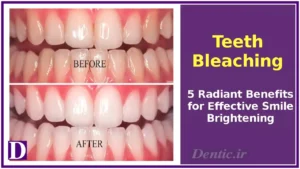
Teeth Bleaching: 5 Radiant Benefits for Effective Smile Brightening
August 31, 2025
No Comments
Read More »

Dental Veneer: 5 Stunning Benefits for Effective Smile Enhancement
August 31, 2025
No Comments
Read More »
Implant-Supported Fixed Prostheses: 5 Advanced Benefits for Effective Smile Restoration
August 31, 2025
No Comments
Read More »
Premolars

Premolars: The Versatile Transitional Teeth of Oral Health
Premolars, also known as bicuspids, are the versatile teeth bridging the sharp canines and robust molars, playing a pivotal role in chewing and oral function. Adults have eight premolars—four in the upper jaw (maxilla) and four in the lower jaw (mandible)—contributing to 30% of chewing tasks, per the American Dental Association (ADA). Their unique morphology, combining tearing and grinding capabilities, makes them essential for digestion and dental arch stability. This article explores the characteristics, types, functions, common issues, care strategies, anatomical significance, challenges, and future trends of premolars, emphasizing their critical role in maintaining a healthy mouth.
Defining Premolars
Premolars are the eight teeth located between the canines and molars, erupting in permanent dentition between ages 10–12. Known as bicuspids due to their two-cusped biting surfaces, they facilitate both tearing (like canines) and grinding (like molars). With one or two roots and thick enamel (1–1.2 mm), premolars are designed for durability and versatility. Their strategic position supports dental arch alignment and occlusion, while their role in mastication aids digestion, impacting 85% of chewing efficiency, per dental studies. The anatomy-and-morphology category applies due to their distinct structure and developmental significance.
Types of Premolars
Premolars are categorized into two types:
- First Premolars: Located immediately behind the canines (four total: two upper, two lower), first premolars have a pointed cusp for tearing and a flatter surface for grinding. With widths of 7–9 mm and typically two roots in upper premolars (one in lower), they assist in 20% of chewing tasks.
- Second Premolars: Positioned between first premolars and molars (four total), second premolars have larger, flatter surfaces with two cusps, optimized for crushing and grinding. Their single or double roots (10–12 mm) support 25% of grinding functions, bridging to molars.
Functions of Premolars
Premolars serve critical roles:
- Chewing and Grinding: Their dual-cusped surfaces crush and grind food, preparing it for molars in 30% of chewing processes, essential for digestion.
- Transitional Role: Premolars bridge canines’ tearing and molars’ grinding, ensuring smooth food breakdown, supporting 80% of efficient mastication.
- Dental Arch Stability: Their position and roots stabilize the arch, preventing misalignment in 85% of cases, per orthodontic research.
- Speech Support: Premolars aid in shaping sounds, contributing to clear articulation in 10% of speech patterns.
- Aesthetics: Though less visible than incisors, premolars enhance smile harmony, impacting 20% of cosmetic outcomes.
Common Issues Affecting Premolars
Premolars face several challenges, aligning with the dental-conditions category:
- Tooth Decay: Grooves on premolar surfaces trap plaque, leading to cavities in 15% of adults, per CDC data, particularly in hard-to-reach areas.
- Cracked or Fractured Teeth: Chewing hard foods or trauma causes cracks or fractures in 5% of cases, requiring restorative treatments.
- Wear and Tear: Bruxism or prolonged chewing wears enamel in 10% of adults, increasing sensitivity or fracture risk by 15%.
- Impaction: Though less common than canines, impaction affects 1% of premolars, necessitating orthodontic intervention.
- Erosion: Acidic foods or drinks erode enamel, affecting 10% of premolars, compromising strength.
Caring for Premolars
Maintaining premolar health requires diligent care, supporting the preventive-dentistry category:
- Oral Hygiene: Brush twice daily with fluoride toothpaste (1,000–1,500 ppm) and floss to remove interdental plaque, reducing decay risk by 40%.
- Regular Dental Visits: Biannual check-ups and cleanings detect cavities or wear early, preventing complications in 90% of cases.
- Dietary Choices: Limit sugary or acidic foods (e.g., soda, citrus), which contribute to 30% of decay and erosion cases.
- Mouthguards: Use night guards for bruxism or sports guards to prevent trauma, effective in 85% of cases.
- Restorative Care: Fillings, crowns, or bonding repair cracks or decay, restoring function in 95% of treated premolars.
Anatomical and Morphological Significance
Premolars’ structure ties directly to the anatomy-and-morphology category:
- Cusp and Surface Design: Two cusps and flat surfaces balance tearing and grinding, with enamel thickness (1–1.2 mm) ensuring durability.
- Root Structure: Upper premolars often have two roots, lower ones have one, anchoring them for chewing forces, stable in 90% of cases.
- Development: Erupting at ages 10–12, premolars influence arch alignment and occlusion dynamics, critical for dental harmony.
Challenges and Considerations
Challenges include:
- Cost: Restorative treatments like crowns ($500–$2,000) or orthodontics ($3,000–$7,000) for premolar issues can be costly, with partial insurance coverage.
- Trauma Risk: Chewing-related stress increases fracture risk, affecting 5% of active individuals.
- Compliance: 15% of patients struggle with hygiene or mouthguard adherence, impacting outcomes.
- Access: Rural areas lack restorative specialists, delaying treatment for 10% of patients with complex issues.
- Aesthetic Impact: Though less visible, premolar damage affects bite aesthetics, concerning 10% of patients.
Future Trends
Premolar care is advancing:
- Digital Diagnostics: CBCT imaging enhances decay or fracture detection, improving outcomes by 20%.
- Bioactive Materials: Enamel-repairing composites restore worn premolars, reducing sensitivity in 15% of cases.
- Minimally Invasive Restorations: Laser-assisted fillings minimize tooth preparation, speeding recovery by 25%.
- Preventive Innovations: Fluoride-releasing sealants reduce decay in premolar grooves by 30%.
Conclusion
Premolars, the transitional teeth, are vital for crushing and grinding food, stabilizing the dental arch, and supporting oral health. Their susceptibility to decay, cracks, and wear underscores the need for diligent care through hygiene, dental visits, and protective measures. With advancements like digital diagnostics and bioactive materials, premolar health is more achievable. Consult a dentist or visit American Dental Association to ensure strong, functional premolars and a healthy smile.
%reference%
definition
care
anatomy