

Table of Contents

Composite Injection Molding: 5 Transformative Benefits for Effective Smile Restoration
September 8, 2025
No Comments
Read More »

Dental Composite: 5 Stunning Benefits for Effective Smile Enhancement
September 4, 2025
No Comments
Read More »
Teeth Bleaching: 5 Radiant Benefits for Effective Smile Brightening
August 31, 2025
No Comments
Read More »

Dental Veneer: 5 Stunning Benefits for Effective Smile Enhancement
August 31, 2025
No Comments
Read More »
Implant-Supported Fixed Prostheses: 5 Advanced Benefits for Effective Smile Restoration
August 31, 2025
No Comments
Read More »
Molars
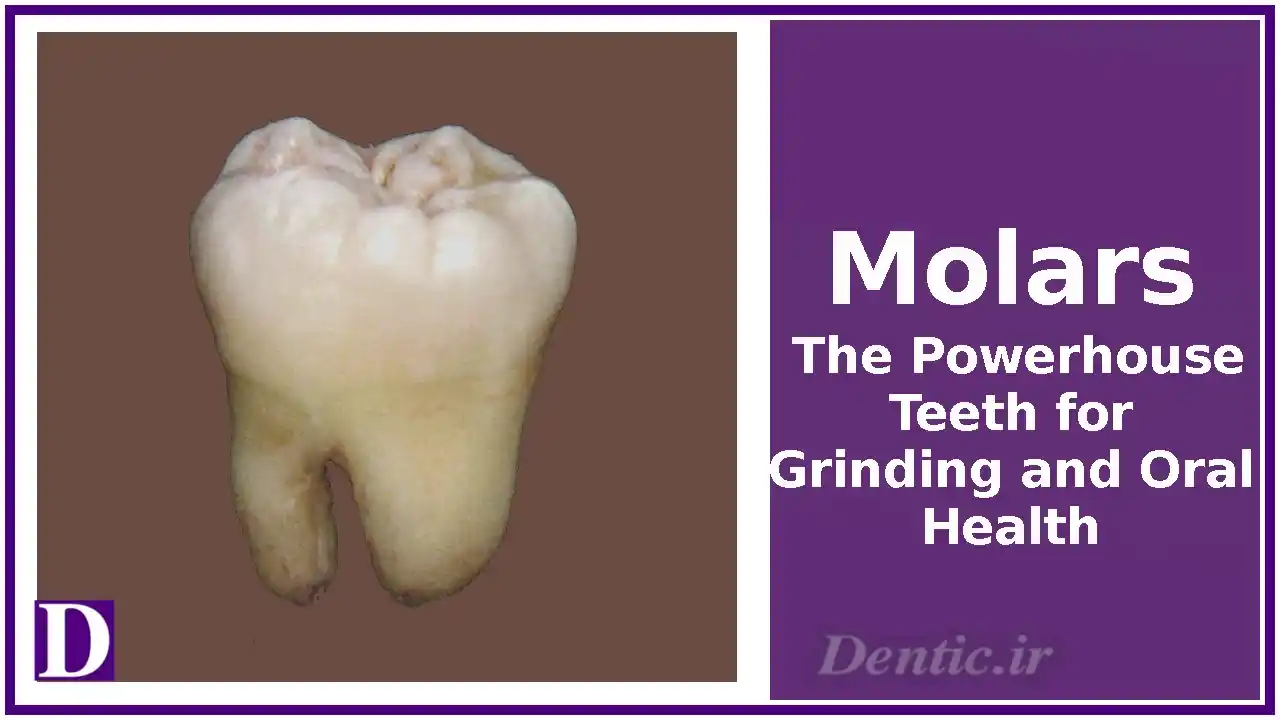
Molars: The Powerhouse Teeth for Grinding and Oral Health
Molars, the robust, flat teeth at the back of the mouth, are essential for grinding food and supporting digestive health. Adults typically have 12 molars—six in the upper jaw (maxilla) and six in the lower jaw (mandible)—including four wisdom teeth, handling 40% of chewing tasks, per the American Dental Association (ADA). Their broad surfaces and multiple cusps make them indispensable for breaking down food, while their deep roots stabilize the dental arch. This article explores the characteristics, types, functions, common issues, care strategies, anatomical significance, challenges, and future trends of molars, highlighting their critical role in oral health.
Defining Molars
Molars are the largest and most posterior teeth, designed for crushing and grinding food into swallowable particles. Erupting in stages from ages 6 to 25, they feature broad, flat occlusal surfaces with 3–5 cusps and multiple roots, ensuring durability under chewing forces. Their thick enamel (1.5–2 mm) and strategic position make them vital for digestion and dental stability, impacting 95% of chewing efficiency, per dental studies. The anatomy-and-morphology category applies due to their unique structure and developmental role in the oral cavity.
Types of Molars
Molars are categorized into three types:
- First Molars (Six-Year Molars): Erupting around age 6, these four molars (two upper, two lower) are the first permanent molars. With widths of 10–12 mm and 2–3 roots, they anchor the dental arch and guide occlusion, critical for 80% of early permanent dentition alignment.
- Second Molars (Twelve-Year Molars): Emerging around age 12, these four molars (two upper, two lower) have similar cusp patterns but slightly smaller sizes (9–11 mm). They enhance grinding capacity, supporting 30% of chewing tasks.
- Third Molars (Wisdom Teeth): Erupting between ages 17–25, these four molars vary in size and root structure. Up to 30% of individuals lack one or more, per ADA data, and 60% face impaction issues due to limited jaw space.
Functions of Molars
Molars serve critical roles:
- Grinding and Crushing: Their broad surfaces and multiple cusps pulverize food, facilitating digestion in 40% of chewing processes.
- Dental Arch Stability: Deep roots (10–15 mm) anchor the posterior arch, preventing misalignment in 85% of cases.
- Occlusal Support: Molars absorb chewing forces, protecting anterior teeth and supporting bite stability in 90% of individuals.
- Speech and Aesthetics: Though less visible, molars maintain jaw alignment, indirectly aiding speech and facial structure in 10% of cases.
Common Issues Affecting Molars
Molars face several challenges, aligning with the dental-conditions category:
- Tooth Decay: Grooves and pits trap food and bacteria, leading to cavities in 20% of adults, per CDC data, especially in molars’ complex surfaces.
- Impacted Wisdom Teeth: 60% of wisdom teeth fail to erupt properly, causing pain, infection, or crowding, requiring extraction in 40% of cases, per AAOMS.
- Cracked or Fractured Teeth: Trauma, bruxism, or large fillings cause fractures in 5% of molars, necessitating restorative treatments.
- Wear and Tear: Bruxism affects 10% of adults, eroding enamel and increasing sensitivity or fracture risk by 15%.
- Root Complexity: Multiple roots complicate endodontic treatments, increasing failure risk in 10% of root canal cases.
Caring for Molars
Maintaining molar health requires diligent care, supporting the preventive-dentistry category:
- Oral Hygiene: Brush twice daily with fluoride toothpaste (1,000–1,500 ppm) and floss to remove plaque from grooves, reducing decay risk by 40%.
- Regular Dental Visits: Biannual check-ups and cleanings detect cavities or impaction early, preventing complications in 90% of cases.
- Sealants: Applied to molar grooves, sealants reduce decay risk by 30%, especially in children.
- Dietary Choices: Limit sugary or acidic foods, contributing to 30% of decay cases, to protect enamel.
- Mouthguards: Use night guards for bruxism or sports guards to prevent trauma, effective in 85% of cases.
Anatomical and Morphological Significance
Molars’ structure ties directly to the anatomy-and-morphology category:
- Occlusal Surface: Broad surfaces with 3–5 cusps optimize grinding, with enamel thickness (1.5–2 mm) ensuring durability.
- Root Structure: Upper molars typically have three roots, lower have two, anchoring them against chewing forces in 90% of cases.
- Development: Erupting from ages 6–25, molars influence jaw growth and occlusion, critical for dental harmony.
Challenges and Considerations
Challenges include:
- Cost: Extractions ($150–$600) or root canals ($800–$1,500) for molar issues are costly, with partial insurance coverage.
- Impaction Complexity: Wisdom tooth surgery extends recovery by 1–2 weeks in 20% of cases.
- Compliance: 15% of patients struggle with hygiene or mouthguard adherence, impacting outcomes.
- Access: Rural areas lack oral surgeons, delaying treatment for 10% of impaction cases.
- Aesthetic Impact: Molar loss affects bite and jaw alignment, concerning 10% of patients.
Future Trends
Molar care is advancing:
- Digital Diagnostics: CBCT imaging enhances impaction and decay detection, improving outcomes by 20%.
- Bioactive Materials: Enamel-repairing composites restore worn molars, reducing sensitivity in 15% of cases.
- Minimally Invasive Surgery: Laser-assisted extractions shorten recovery by 25%.
- Preventive Innovations: Fluoride-releasing sealants and AI-driven diagnostics reduce decay by 30%.
Conclusion
Molars, the powerhouse grinding teeth, are vital for digestion, dental stability, and oral health. Their susceptibility to decay, impaction, and fractures underscores the need for diligent care through hygiene, sealants, and dental visits. With advancements like digital diagnostics and bioactive materials, molar health is more achievable. Consult a dentist or visit American Dental Association to ensure strong, functional molars and a healthy smile.
- American Dental Association. (2025). Teeth.
- American Association of Oral and Maxillofacial Surgeons. (2025). Wisdom Teeth.
- Proffit, W. R., et al. (2018). Contemporary orthodontics. American Journal of Orthodontics and Dentofacial Orthopedics, 153(5), 611–620.
- American Dental Association. (2025). Dental Trauma.
%reference%
definition
care
anatomy