
Table of Contents
Composite Injection Molding: 5 Transformative Benefits for Effective Smile Restoration
September 8, 2025
No Comments
Read More »
Dental Composite: 5 Stunning Benefits for Effective Smile Enhancement
September 4, 2025
No Comments
Read More »
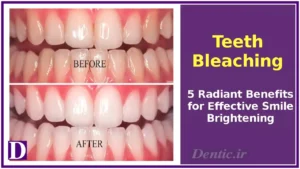
Teeth Bleaching: 5 Radiant Benefits for Effective Smile Brightening
August 31, 2025
No Comments
Read More »

Dental Veneer: 5 Stunning Benefits for Effective Smile Enhancement
August 31, 2025
No Comments
Read More »
Implant-Supported Fixed Prostheses: 5 Advanced Benefits for Effective Smile Restoration
August 31, 2025
No Comments
Read More »
Dental Shaping
Dental Shaping: Crafting the Perfect Smile with Precision
Dental shaping, also known as enameloplasty, odontoplasty, or contouring, is a cosmetic dental procedure that refines the appearance of teeth by selectively removing small amounts of enamel. Affecting approximately 10% of cosmetic dental patients annually, per the American Dental Association (ADA), shaping addresses minor imperfections like uneven edges or chips, enhancing smile aesthetics with minimal intervention. This non-invasive technique offers immediate results, making it a popular choice for those seeking a balanced, confident smile. This article explores the definition, reasons, process, benefits, care strategies, anatomical significance, challenges, and future trends of dental shaping, emphasizing its role in cosmetic dentistry.
Understanding Dental Shaping
Dental shaping involves the precise removal of 0.1–0.5 mm of enamel, the tooth’s outer layer, to correct minor imperfections in shape, length, or surface. Performed using specialized tools, this procedure smooths irregularities, enhancing tooth symmetry and smile harmony. Typically completed in one visit, shaping is painless, requiring no anesthesia in 95% of cases, per ADA data. It targets aesthetic concerns rather than structural or pathological issues, aligning with the cosmetic-dentistry category, while its focus on enamel ties to anatomy-and-morphology. Shaping preserves tooth vitality, making it a conservative option for aesthetic enhancement.
Common Reasons for Dental Shaping
Shaping addresses various aesthetic concerns:
- Uneven Teeth: Smooths irregular or jagged edges, affecting 15% of adults with minor alignment issues.
- Minor Overlaps: Adjusts slight crowding or overlaps, improving alignment in 10% of cases without orthodontics.
- Chips and Cracks: Repairs minor enamel damage from trauma or wear, seen in 5% of dental injuries.
- Excessive Length: Shortens overly long teeth, balancing proportions in 8% of cosmetic cases.
- Shape Adjustment: Refines tooth contours for symmetry, enhancing smile aesthetics in 20% of patients seeking cosmetic improvements.
The Dental Shaping Process
The shaping procedure is straightforward:
- Consultation: Dentists assess oral health, discuss aesthetic goals, and use digital imaging (e.g., intraoral scanners) to plan shaping, ensuring suitability in 90% of cases.
- Preparation: No anesthesia is typically needed, as enamel lacks nerves, making the process comfortable for 95% of patients.
- Shaping: Using diamond burs or lasers, dentists remove minimal enamel (0.1–0.5 mm) to reshape teeth, completed in 30–60 minutes for 80% of cases.
- Polishing: Teeth are polished with abrasive strips or discs to smooth surfaces, enhancing shine and reducing plaque retention by 30%.
- Evaluation: Dentists confirm results align with patient goals, with 98% reporting satisfaction post-procedure.
Benefits of Dental Shaping
Shaping offers numerous advantages:
- Quick and Painless: Completed in one visit (30–60 minutes), with no discomfort in 95% of cases.
- Non-Invasive: Preserves tooth structure by removing minimal enamel, maintaining vitality in 100% of cases.
- Immediate Results: Aesthetic improvements are visible instantly, boosting confidence in 90% of patients.
- Cost-Effective: Costs $50–$500 per tooth, significantly less than veneers ($1,000–$2,500), per ADA data.
- Complementary: Often paired with whitening or bonding, enhancing outcomes in 20% of cosmetic treatments.
Caring for Shaped Teeth
Post-shaping care ensures lasting results, aligning with preventive-dentistry:
- Oral Hygiene: Brush twice daily with fluoride toothpaste (1,000–1,500 ppm) and floss to reduce plaque buildup by 40%.
- Regular Dental Visits: Biannual check-ups monitor enamel health and detect issues early, preventing complications in 90% of cases.
- Avoid Hard Objects: Refrain from biting hard items (e.g., ice, pens) to prevent chips, critical for 10% of shaped teeth.
- Mouthguards: Use night guards for bruxism to protect shaped surfaces, effective in 85% of cases.
- Dietary Choices: Limit acidic or sugary foods, which erode enamel in 20% of cases, to maintain smoothness.
Anatomical and Morphological Significance
Shaping ties to anatomy-and-morphology:
- Enamel Structure: As the hardest tissue (1–2 mm thick), enamel allows safe removal of small amounts without compromising tooth integrity.
- Tooth Morphology: Shaping adjusts crown contours, enhancing symmetry and occlusion, critical for 80% of aesthetic outcomes.
- Dentin Protection: Careful shaping avoids dentin exposure, preserving vitality in 95% of cases.
Challenges and Considerations
Challenges include:
- Limited Scope: Shaping suits minor issues, unsuitable for major misalignment or damage, limiting use in 30% of cosmetic cases.
- Cost: While affordable ($50–$500 per tooth), multiple teeth increase expenses, with partial insurance coverage.
- Enamel Loss: Excessive shaping risks sensitivity, affecting 2% of cases if overdone.
- Patient Expectations: 10% of patients may expect dramatic changes, requiring clear communication during consultation.
- Access: Rural areas lack cosmetic dentists, delaying treatment for 5% of patients.
Future Trends
Shaping is advancing:
- Digital Planning: Intraoral scanners and AI-driven design improve precision, enhancing outcomes by 20%.
- Laser Technology: Laser-assisted shaping reduces vibration and enamel micro-cracks, improving comfort in 15% of cases.
- Bioactive Materials: Polishing agents with remineralizing properties strengthen enamel post-shaping, reducing sensitivity by 10%.
- Tele-Dentistry: Virtual consultations streamline planning, adopted by 10% of cosmetic practices in 2025.
Conclusion
Dental shaping is a simple, effective cosmetic procedure that refines tooth appearance, addressing uneven edges, chips, or overlaps. By preserving tooth structure and delivering immediate results, it enhances smiles and confidence. Proper care through hygiene and dental visits maintains outcomes, while innovations like digital planning and lasers promise greater precision. Consult a dentist or visit American Dental Association to explore how shaping can perfect your smile.
- American Dental Association. (2025). Cosmetic Dentistry.
- American Association of Orthodontists. (2025). About Orthodontics.
- Proffit, W. R., et al. (2018). Contemporary orthodontics. American Journal of Orthodontics and Dentofacial Orthopedics, 153(5), 611–620.
- American Dental Association. (2025). Dental Trauma.
%reference%
definition
care