
Table of Contents
Composite Injection Molding: 5 Transformative Benefits for Effective Smile Restoration
September 8, 2025
No Comments
Read More »
Dental Composite: 5 Stunning Benefits for Effective Smile Enhancement
September 4, 2025
No Comments
Read More »
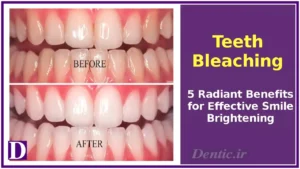
Teeth Bleaching: 5 Radiant Benefits for Effective Smile Brightening
August 31, 2025
No Comments
Read More »

Dental Veneer: 5 Stunning Benefits for Effective Smile Enhancement
August 31, 2025
No Comments
Read More »
Implant-Supported Fixed Prostheses: 5 Advanced Benefits for Effective Smile Restoration
August 31, 2025
No Comments
Read More »
Tooth Sensitivity
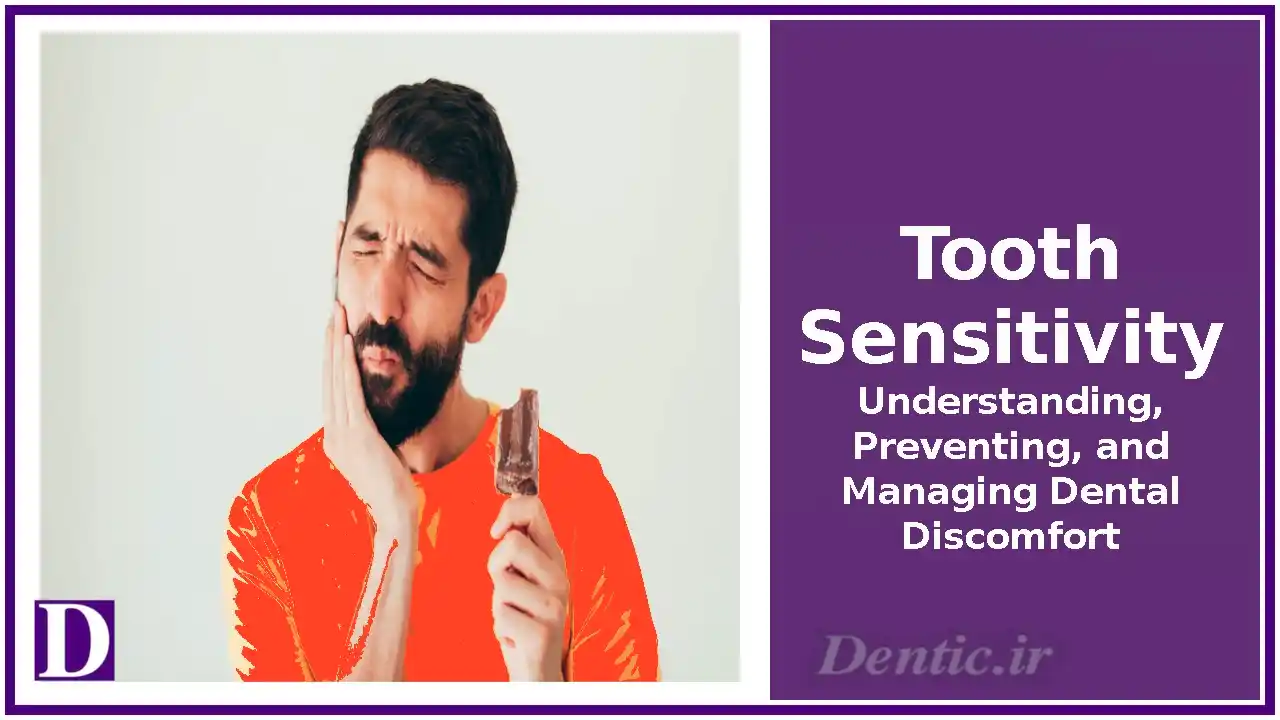
Tooth Sensitivity: Understanding, Preventing, and Managing Dental Discomfort
Tooth sensitivity, also known as dentin hypersensitivity, is a common dental condition characterized by sharp, temporary pain in response to stimuli like hot, cold, sweet, or acidic foods and drinks. Affecting approximately 30% of adults, per the American Dental Association (ADA), it results from exposed dentin or compromised enamel, impacting daily comfort and oral health. Early intervention and preventive measures can alleviate discomfort and protect teeth. This article explores the definition, causes, symptoms, prevention, treatment, anatomical significance, challenges, and future trends of tooth sensitivity, emphasizing effective management for a pain-free smile.
Understanding Tooth Sensitivity
Tooth sensitivity occurs when dentin, the softer layer beneath enamel, becomes exposed, allowing stimuli to reach nerve endings in the tooth’s pulp. Enamel, the hardest substance in the body (1–2 mm thick), protects dentin, but erosion, abrasion, or decay can compromise this barrier. Sensitivity affects 1 in 8 adults, per ADA data, with symptoms ranging from mild discomfort to sharp pain. Its impact on tooth structure aligns with anatomy-and-morphology, while its status as a dental issue fits dental-conditions. Management through hygiene and professional care, part of preventive-dentistry, can mitigate its effects.
Causes of Tooth Sensitivity
Several factors contribute to sensitivity:
- Enamel Erosion: Acidic foods/drinks (e.g., soda, citrus) or acid reflux erode enamel, exposing dentin in 20% of cases, per CDC data.
- Gum Recession: Periodontal disease or aggressive brushing exposes root surfaces, affecting 15% of adults.
- Tooth Decay: Cavities weaken enamel, causing sensitivity in 10% of cases.
- Abrasion: Overbrushing or abrasive toothpastes wear enamel, impacting 8% of patients.
- Cracked Teeth: Fractures expose dentin, seen in 5% of dental trauma cases.
- Dental Procedures: Whitening, fillings, or crowns temporarily increase sensitivity in 10% of treatments.
- Medical Conditions: Bulimia or GERD expose teeth to stomach acid, contributing to 5% of cases.
Symptoms of Tooth Sensitivity
Symptoms include:
- Sharp Pain: Sudden discomfort from hot, cold, sweet, or acidic stimuli, affecting 25% of cases.
- Localized Discomfort: Pain in specific teeth, often incisors or molars, seen in 20% of patients.
- Brushing Sensitivity: Discomfort during brushing or flossing, impacting 15% of cases.
- Chronic Sensitivity: Persistent low-grade discomfort in 5% of advanced cases, indicating dentin or pulp issues.
Prevention of Tooth Sensitivity
Preventive strategies, aligned with preventive-dentistry, include:
- Oral Hygiene: Brush gently with a soft-bristled toothbrush and fluoride toothpaste (1,000–1,500 ppm) to strengthen enamel, reducing sensitivity risk by 30%. Floss daily to prevent gum recession.
- Dietary Choices: Limit acidic/sugary foods (e.g., soda, candy), which cause 40% of erosion cases. Use a straw for acidic drinks and rinse with water to neutralize acids, effective in 80% of cases.
- Protective Measures: Wear a nightguard for bruxism to prevent enamel wear, used by 10% of patients. Treat GERD or bulimia to reduce acid exposure.
- Regular Dental Visits: Biannual check-ups detect early erosion or decay, preventing sensitivity in 90% of cases.
- Fluoride Use: Fluoride rinses or gels reinforce enamel, reducing sensitivity by 25%.
Treatment Options
Treatments address underlying causes and alleviate discomfort:
- Desensitizing Toothpaste: Contains potassium nitrate or stannous fluoride, reducing sensitivity in 30% of cases after 2–4 weeks, costing $5–$15.
- Fluoride Treatments: Professional fluoride varnishes or gels strengthen enamel, effective in 20% of early cases, costing $20–$50.
- Dental Bonding: Resin seals exposed dentin, used in 15% of cases with erosion or abrasion, costing $100–$400 per tooth.
- Fillings or Crowns: Restore decayed or cracked teeth, with fillings ($100–$300) or crowns ($500–$2,000) used in 10% of cases.
- Root Canal Therapy: Treats pulp involvement (5% of severe cases), costing $800–$1,500.
- Gum Grafting: Covers exposed roots from recession, used in 2% of cases, costing $600–$1,200.
Anatomical and Morphological Significance
Tooth sensitivity ties to anatomy-and-morphology:
- Enamel: The protective outer layer (1–2 mm thick) prevents dentin exposure, but erosion or abrasion compromises it in 20% of cases.
- Dentin: Contains microtubules leading to pulp nerves, causing pain when exposed in 25% of sensitivity cases.
- Root Surface: Cementum-covered roots, exposed by gum recession, lack enamel’s protection, increasing sensitivity in 15% of cases.
Challenges and Considerations
Challenges include:
- Cost: Treatments like crowns ($500–$2,000) or grafting ($600–$1,200) are expensive, with partial insurance coverage.
- Behavioral Change: 20% of patients struggle to modify diet or brushing habits, hindering prevention.
- Underlying Conditions: Managing GERD or periodontal disease requires interdisciplinary care, challenging for 10% of patients.
- Access: Rural areas lack specialists, delaying treatment for 5% of patients.
- Chronic Sensitivity: Persistent cases (5%) require ongoing management, impacting quality of life.
Future Trends
Sensitivity management is advancing:
- Bioactive Materials: Remineralizing agents repair enamel, reducing sensitivity in 20% of cases.
- Laser Therapy: Seals dentin tubules, effective in 15% of cases, reducing treatment time by 25%.
- Digital Diagnostics: Intraoral scanners detect early erosion, improving outcomes by 15%.
- Preventive Coatings: Fluoride-releasing sealants protect enamel, reducing sensitivity risk by 30%.
Conclusion
Tooth sensitivity, a common dental issue, disrupts daily comfort but is manageable through preventive hygiene, dietary changes, and professional treatments. By addressing causes like enamel erosion or gum recession, individuals can maintain a pain-free smile. Innovations like bioactive materials and laser therapy promise improved outcomes. Consult a dentist or visit American Dental Association to manage sensitivity and ensure lasting oral health.
- American Dental Association. (2025). Tooth Sensitivity.
- Lussi, A., et al. (2018). Dental Erosion and Sensitivity: Diagnosis and Management. Journal of Dentistry, 76, 1–10.
- American Dental Association. (2025). Dental Trauma.
- National Institute of Dental and Craniofacial Research. (2025). Tooth Decay and Sensitivity.
%reference%
definition
treatment
prevention