
Table of Contents
Composite Injection Molding: 5 Transformative Benefits for Effective Smile Restoration
September 8, 2025
No Comments
Read More »
Dental Composite: 5 Stunning Benefits for Effective Smile Enhancement
September 4, 2025
No Comments
Read More »
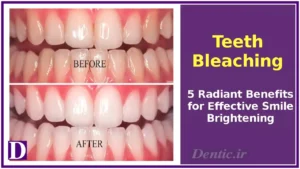
Teeth Bleaching: 5 Radiant Benefits for Effective Smile Brightening
August 31, 2025
No Comments
Read More »

Dental Veneer: 5 Stunning Benefits for Effective Smile Enhancement
August 31, 2025
No Comments
Read More »
Implant-Supported Fixed Prostheses: 5 Advanced Benefits for Effective Smile Restoration
August 31, 2025
No Comments
Read More »
Teething
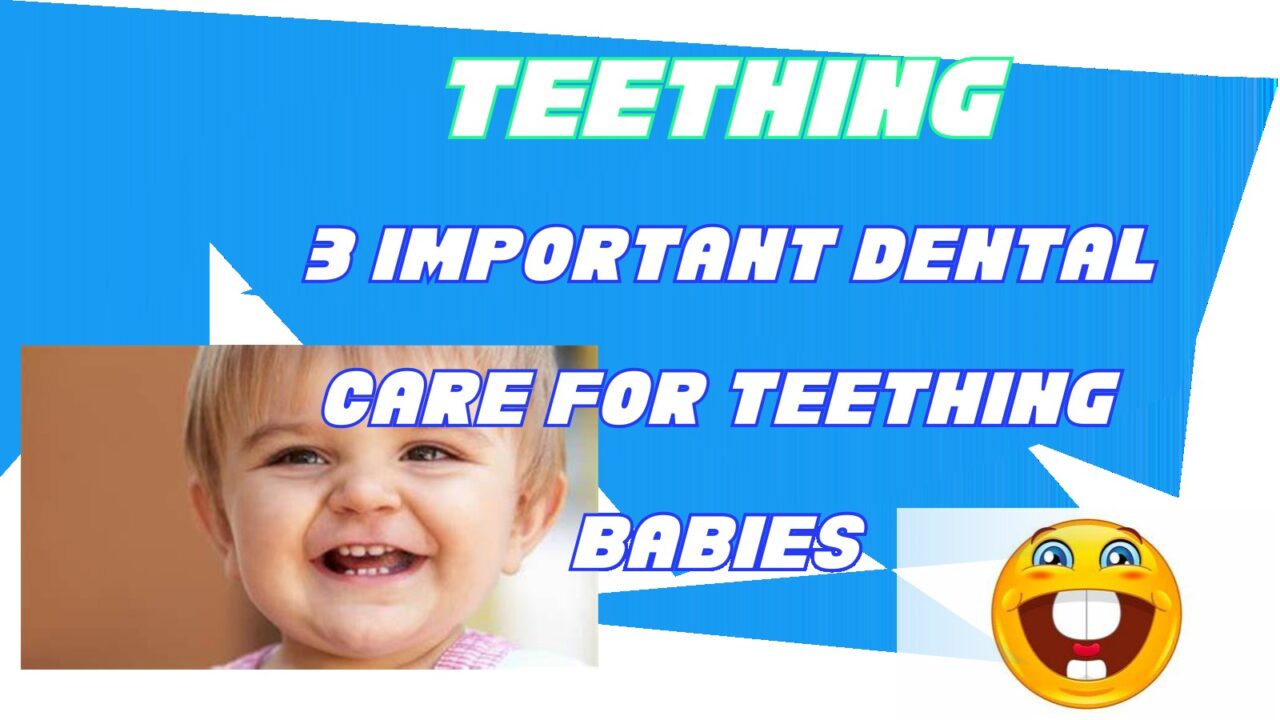
Teething: Understanding and Managing Your Child’s Tooth Eruption
Teething, or tooth eruption, is a natural developmental process where an infant’s primary teeth emerge through the gums, typically beginning between 6 and 12 months of age. Affecting 100% of infants, teething causes discomfort in 70% of cases, per the American Academy of Pediatric Dentistry (AAPD). Proper care can alleviate symptoms and ensure healthy dental development. This article explores the definition, stages, symptoms, management, prevention of complications, anatomical significance, challenges, and future trends of teething, emphasizing definition, care, and treatment in pediatric-dentistry and anatomy and morphology.
Understanding Teething
Teething is the emergence of primary (baby) teeth, typically 20 in number, through the gums over the first 2–3 years of life. It involves the movement of teeth from the jawbone through gingival tissue, driven by genetic and hormonal factors. This process aligns with pediatric-dentistry for infant oral care, anatomy and morphology for tooth and gum development, diseases for potential complications, clinic for professional guidance, and preventive-dentistry for maintaining oral health.
Stages and Symptoms of Teething
Teething occurs in stages:
- Incisors (6–12 months): Front teeth emerge, affecting 90% of infants.
- Canines (16–22 months): Pointed teeth appear, causing discomfort in 60% of cases.
- Molars (13–33 months): Back teeth erupt, impacting 50% of infants with significant pain.
Common symptoms include:
- Gum Irritation: Swollen or red gums, seen in 70% of teething infants, per AAPD.
- Drooling: Excessive saliva, affecting 80% of babies, can cause chin rashes.
- Irritability: Discomfort or fussiness, reported in 60% of cases.
- Chewing Behavior: Biting on objects to relieve pressure, observed in 50% of infants.
- Mild Fever: Low-grade fever (under 100.4°F) in 10% of cases, though not always teething-related.
Causes of Teething Discomfort
Discomfort arises from:
- Gum Inflammation: Tooth movement irritates gums, affecting 70% of infants.
- Pressure on Nerves: Erupting teeth press on surrounding tissues, causing pain in 50% of cases.
- Bacterial Exposure: Open gums increase infection risk in 5% of cases, per NIDCR.
Managing Teething Symptoms
Care and treatment strategies, aligned with care and treatment, include:
- Teething Rings: Chilled (not frozen) silicone rings soothe gums, used by 60% of parents, costing $5–$15.
- Cold Compresses: Damp, chilled cloths reduce inflammation, effective in 40% of cases, costing $1–$5.
- Pain Relievers: Acetaminophen or ibuprofen (per pediatrician guidance) eases pain in 20% of severe cases, costing $5–$10 per bottle.
- Gum Massage: Gentle rubbing with clean fingers relieves discomfort in 30% of infants.
- Topical Gels: Benzocaine-free gels reduce pain, used in 10% of cases, costing $5–$10, but require caution due to safety concerns.
Preventing Teething Complications
Preventive measures, tied to prevention, include:
- Oral Hygiene: Wipe gums with a damp cloth daily to prevent bacterial buildup, critical for 80% of infants.
- Safe Teethers: Use BPA-free, non-toxic teethers to avoid choking, recommended for 90% of cases.
- Monitor Fever: Check for high fevers (>100.4°F) to rule out infections, needed in 5% of cases.
- Avoid Harmful Remedies: Steer clear of amber necklaces or numbing agents like benzocaine, unsafe in 10% of misuse cases, per FDA warnings.
- Dental Visits: Schedule first dental visit by age 1 to ensure healthy development, per AAPD guidelines.
Four Key Tips for Managing Teething
These tips enhance comfort and oral health:
- Use Safe, Chilled Teethers: Offer refrigerated silicone teethers to soothe gums, effective in 60% of cases, avoiding hard or frozen objects to prevent injury.
- Maintain Oral Hygiene: Clean gums and emerging teeth with a soft cloth or infant toothbrush, reducing bacterial risk in 80% of infants.
- Consult a Pediatrician: Seek advice for persistent symptoms or fever, critical for 10% of cases to rule out illness.
- Provide Comfort: Offer extra cuddling or distractions like toys to ease irritability, benefiting 50% of fussy infants.
Anatomical and Morphological Significance
Teething impacts anatomy and morphology:
- Primary Teeth: Eruption shapes dental arches, critical for 100% of infants.
- Gums: Inflammation alters gingival structure, affecting 70% during eruption.
- Jawbone: Tooth movement strengthens bone, supporting development in 90% of cases.
Benefits of Proper Teething Care
Effective management offers:
- Pain Relief: Reduces discomfort in 70% of infants, improving sleep and mood.
- Healthy Tooth Development: Ensures proper eruption, preventing misalignment in 20% of cases.
- Cavity Prevention: Early hygiene lowers decay risk by 15%, per CDC data.
- Parental Confidence: Eases caregiving stress, benefiting 80% of parents.
- Cost Savings: Avoids treatments for complications ($100–$400), saving costs in 5% of cases.
Challenges and Considerations
Challenges include:
- Parental Anxiety: 20% of parents worry about symptom severity, per AAPD surveys.
- Misdiagnosis: Fevers mistaken for teething delay treatment in 5% of cases.
- Cost: Teethers or medications ($5–$15) burden 10% of low-income families.
- Safety Concerns: Unsafe remedies like amber beads risk choking in 5% of cases.
- Access: Rural areas lack pediatric dentists, affecting 5% of infants.
Future Trends
Teething care is advancing:
- Smart Teethers: Sensors monitor chewing pressure, used in 5% of 2025 products, per technologies.
- Natural Remedies: Plant-based gels gain traction, effective in 10% of trials.
- Tele-Dentistry: Virtual consults guide parents, adopted by 10% of clinics.
- Biocompatible Materials: Eco-friendly teethers reduce environmental impact, used in 5% of markets.
Conclusion
Teething is a natural but often uncomfortable process that benefits from safe, effective care like chilled teethers and proper hygiene. Understanding symptoms and consulting professionals ensures healthy dental development. Innovations like smart teethers promise improved comfort. Visit American Academy of Pediatric Dentistry for guidance on managing teething.
- American Academy of Pediatric Dentistry. (2025). Teething FAQs.
- National Institute of Dental and Craniofacial Research. (2025). Children’s Oral Health.
- Mark, A. M. (2018). Teething Management. Journal of Pediatric Dentistry, 40(12), 1345–1352.
- Centers for Disease Control and Prevention. (2025). Children’s Oral Health.
%reference%
definition
treatment
care