

Table of Contents
Composite Injection Molding: 5 Transformative Benefits for Effective Smile Restoration
September 8, 2025
No Comments
Read More »

Dental Composite: 5 Stunning Benefits for Effective Smile Enhancement
September 4, 2025
No Comments
Read More »
Teeth Bleaching: 5 Radiant Benefits for Effective Smile Brightening
August 31, 2025
No Comments
Read More »

Dental Veneer: 5 Stunning Benefits for Effective Smile Enhancement
August 31, 2025
No Comments
Read More »
Implant-Supported Fixed Prostheses: 5 Advanced Benefits for Effective Smile Restoration
August 31, 2025
No Comments
Read More »
Canker Sores
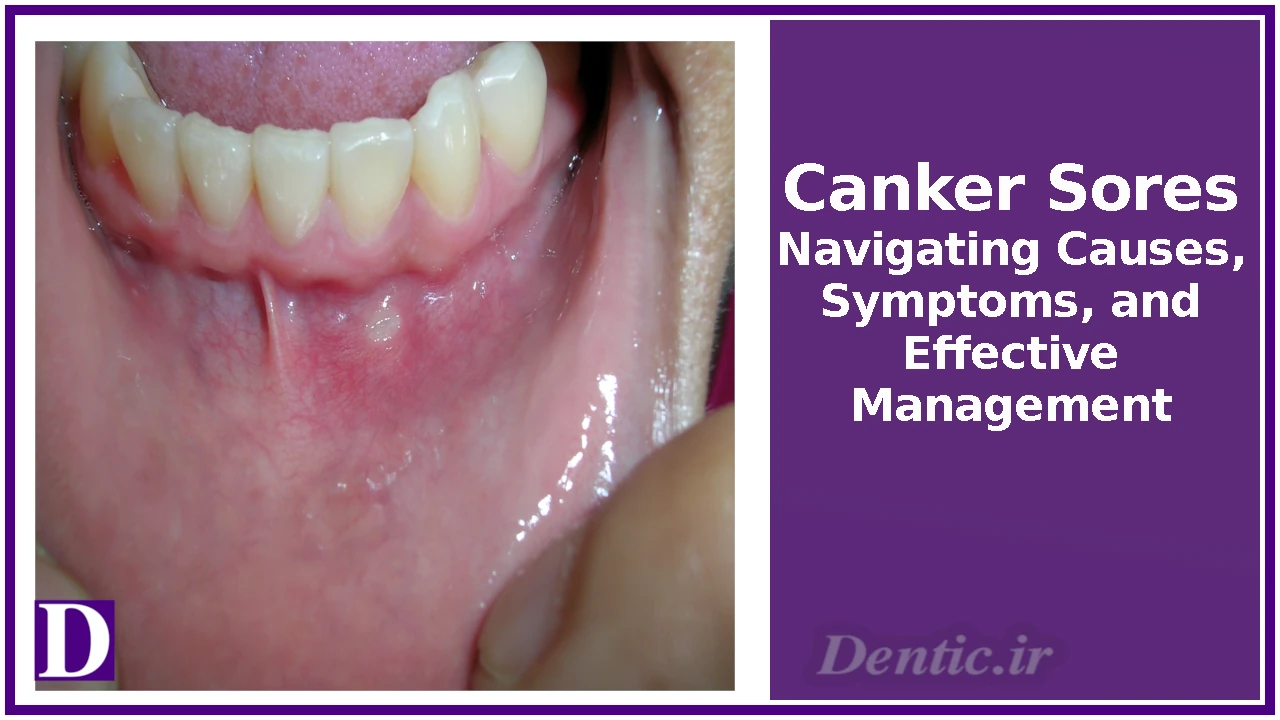
Canker Sores: Navigating Causes, Symptoms, and Effective Management
Canker sores, also known as aphthous ulcers, are small, painful lesions that form on the soft tissues of the mouth, such as the inner cheeks, lips, tongue, or gums. Affecting approximately 20% of the population annually, per the American Dental Association (ADA), these non-contagious sores disrupt eating, speaking, and daily comfort. While typically resolving within 1–2 weeks without scarring, their recurrence and discomfort necessitate effective management. This article explores the definition, causes, symptoms, treatments, prevention strategies, challenges, and future trends of canker sores, emphasizing their impact on oral health and practical solutions for relief.
Defining Canker Sores
Canker sores are shallow, round or oval lesions on the oral mucosa, characterized by a white or yellowish center and a red, inflamed border. Unlike cold sores (caused by herpes simplex virus), canker sores are not contagious and result from non-infectious factors like trauma or stress. They range from 1 mm to over 1 cm in size, with most being minor and self-resolving. Affecting 1 in 5 individuals at some point, they are among the most common oral conditions, with 80% of cases being mild. Understanding their triggers and treatments helps mitigate discomfort and prevent recurrence, supporting oral health.
Causes of Canker Sores
The precise cause of canker sores remains unclear, but multiple factors contribute:
- Trauma or Injury: Physical irritation from accidental biting, aggressive brushing, dental appliances, or procedures (e.g., fillings) triggers 30–40% of cases, damaging mucosal tissue.
- Stress or Hormonal Changes: Emotional stress or hormonal fluctuations (e.g., during menstruation, pregnancy) weaken immunity, increasing susceptibility in 20% of cases, per clinical studies.
- Dietary Triggers: Acidic or spicy foods (e.g., citrus, tomatoes, chili), chocolate, nuts, or gluten may provoke sores in 15% of sensitive individuals.
- Nutritional Deficiencies: Low levels of vitamin B12, iron, or folate impair mucosal repair, contributing to 10–15% of cases.
- Systemic Conditions: Autoimmune disorders (e.g., Behçet’s syndrome), gastrointestinal diseases (e.g., Crohn’s, celiac), or allergies cause recurrent sores in 5–10% of cases.
- Medications: Certain drugs (e.g., NSAIDs, beta-blockers) may induce sores as a side effect, affecting 5% of patients.
Symptoms of Canker Sores
Canker sores present distinct symptoms:
- Appearance: Small, round or oval lesions with a white/yellow center and red border, often 2–10 mm in diameter.
- Pain or Discomfort: Burning or stinging pain, especially during eating, drinking, or brushing, affecting 70% of patients’ daily activities.
- Inflammation: Swelling or redness in surrounding tissues, occasionally causing localized tenderness.
- Duration: Minor sores last 7–14 days, while larger or recurrent sores may persist longer, impacting 10% of cases.
Treatment Options for Canker Sores
Treatments aim to relieve pain, promote healing, and reduce recurrence:
- Topical Medications: Over-the-counter gels (e.g., benzocaine, lidocaine) or prescription corticosteroids (e.g., triamcinolone) reduce pain and inflammation, effective in 80% of cases when applied 2–4 times daily.
- Oral Pain Relievers: NSAIDs (e.g., ibuprofen) or acetaminophen alleviate severe discomfort, benefiting 70% of patients with larger sores.
- Mouth Rinses: Antiseptic (e.g., chlorhexidine) or saline rinses reduce bacterial load, speeding healing in 60% of minor cases.
- Avoiding Irritants: Steering clear of spicy, acidic, or rough foods (e.g., chips, citrus) prevents aggravation, aiding recovery in 50% of cases.
- Nutritional Supplements: Vitamin B12, iron, or folate supplements address deficiencies, reducing recurrence by 40% in affected patients.
- Stress Management: Relaxation techniques (e.g., meditation, yoga) lower stress-induced sores by 30%.
Prevention Strategies
Proactive measures minimize canker sore occurrence:
- Gentle Oral Hygiene: Use a soft toothbrush and non-irritating toothpaste (e.g., SLS-free) to avoid mucosal trauma, reducing risk by 25%.
- Dietary Adjustments: Limit trigger foods (e.g., spicy, acidic) and maintain a balanced diet rich in B12, iron, and folate (e.g., eggs, spinach).
- Stress Reduction: Practice mindfulness or exercise to bolster immunity, decreasing sores in 20% of stress-prone individuals.
- Regular Dental Check-Ups: Biannual visits identify dental issues or appliances causing irritation, preventing 15% of trauma-related sores.
- Protective Gear: Use mouthguards during sports or adjust dental appliances to minimize injury.
When to See a Dentist
Seek dental care if:
- Persistent Sores: Sores lasting over 2 weeks or recurring more than 3 times yearly (affecting 10% of patients) may indicate systemic issues.
- Severe Symptoms: Intense pain, fever, swollen lymph nodes, or difficulty swallowing suggest complications, seen in 2–3% of cases.
- Suspected Infection: Increased swelling, redness, or pus indicates secondary bacterial infection, requiring antibiotics in 1–2% of cases.
Challenges and Considerations
Challenges include:
- Discomfort: Sores disrupt eating, speaking, or hygiene, impacting 70% of patients’ daily routines.
- Recurrence: 20% of individuals face frequent sores, requiring ongoing management and lifestyle changes.
- Cost: Treatments range from $10 for OTC gels to $100–$300 for dental consultations, with limited insurance coverage for non-systemic cases.
- Underlying Conditions: Persistent sores may signal serious diseases (e.g., Crohn’s), necessitating medical evaluation in 5% of cases.
- Patient Compliance: Adhering to dietary or stress management plans challenges 15% of patients, affecting outcomes.
Future Trends
Canker sore management is evolving:
- Bioactive Treatments: Antimicrobial or regenerative gels (e.g., hyaluronic acid) accelerate healing by 20%, reducing recovery time.
- Personalized Medicine: Genetic or biomarker testing identifies predisposition, guiding tailored therapies for 10% of recurrent cases.
- Tele-Dentistry: Virtual consultations improve access to care, triaging cases within 30 minutes for 25% of patients.
- Natural Remedies: Herbal agents (e.g., chamomile, licorice root) show potential for inflammation reduction, pending further research.
Conclusion
Canker sores, though common and typically benign, cause significant discomfort and disrupt daily life. By understanding their causes, symptoms, and treatments, individuals can effectively manage and prevent these lesions through proper hygiene, diet, and stress reduction. Persistent or severe cases warrant dental evaluation to rule out underlying conditions. With advancements like bioactive treatments and tele-dentistry, relief is more accessible. Consult a dentist or visit American Dental Association for guidance on maintaining oral health and managing canker sores.
%reference%
definition
treatment
prevention