

Table of Contents
Composite Injection Molding: 5 Transformative Benefits for Effective Smile Restoration
September 8, 2025
No Comments
Read More »

Dental Composite: 5 Stunning Benefits for Effective Smile Enhancement
September 4, 2025
No Comments
Read More »
Teeth Bleaching: 5 Radiant Benefits for Effective Smile Brightening
August 31, 2025
No Comments
Read More »

Dental Veneer: 5 Stunning Benefits for Effective Smile Enhancement
August 31, 2025
No Comments
Read More »
Implant-Supported Fixed Prostheses: 5 Advanced Benefits for Effective Smile Restoration
August 31, 2025
No Comments
Read More »
Dental Caries
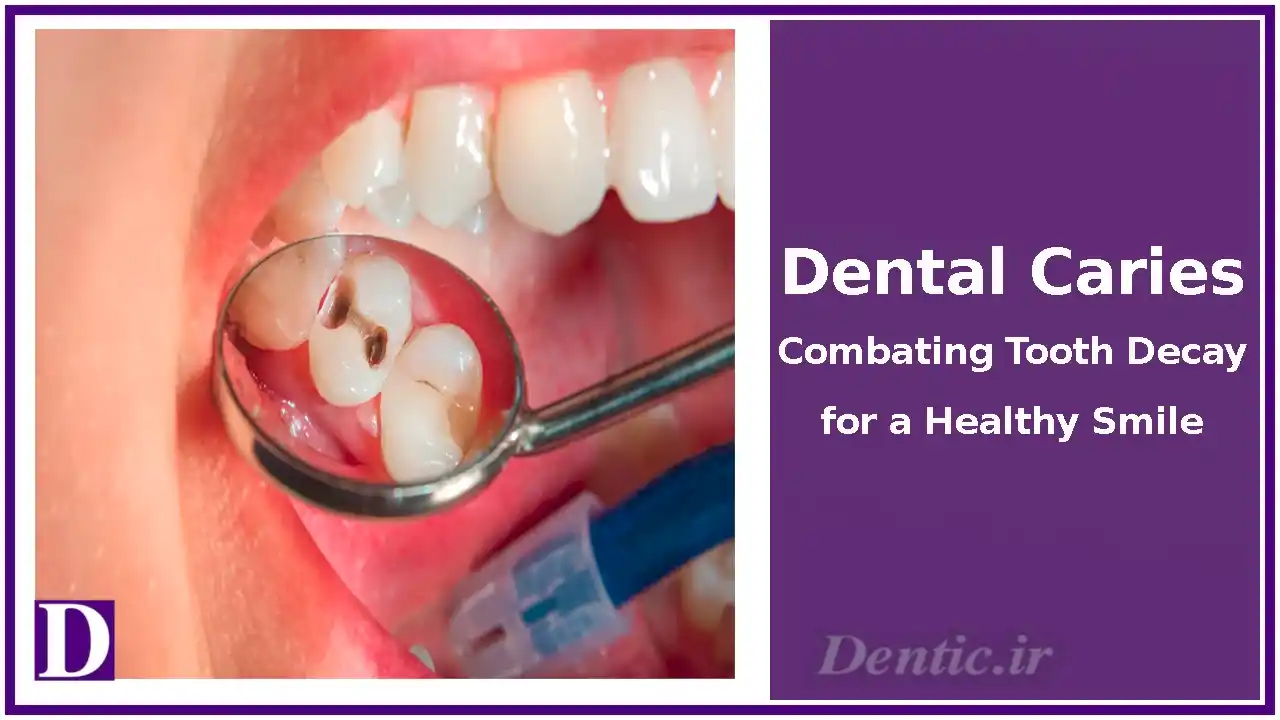
Dental Caries: Combating Tooth Decay for a Healthy Smile
Dental caries, commonly known as tooth decay or cavities, is a prevalent oral health issue affecting 26% of adults and 60% of children globally, per the World Health Organization (WHO). Caused by acid-producing bacteria in dental plaque, caries damages enamel and dentin, leading to pain, infection, and potential tooth loss if untreated. Early intervention and preventive measures can significantly reduce its impact, preserving oral health. This article explores the definition, causes, symptoms, prevention, treatment, anatomical significance, challenges, and future trends of dental caries, emphasizing its management for a pain-free smile.
Understanding Dental Caries
Dental caries is the progressive destruction of tooth enamel and underlying dentin by acids produced by bacteria in dental plaque, a sticky biofilm on teeth. Unlike erosion (chemical acid damage), caries is a bacterial-driven disease, primarily involving Streptococcus mutans, which metabolizes sugars to produce acid. Affecting 90% of adults over their lifetime, per the American Dental Association (ADA), caries starts as microscopic demineralization, potentially forming cavities if unchecked. Its impact on tooth structure aligns with anatomy-and-morphology, while its infectious nature justifies dental-conditions and diseases.
Causes of Dental Caries
Key factors contributing to caries include:
- Dental Plaque: A bacterial biofilm forms within hours of eating, producing acids that demineralize enamel in 50% of cases with poor hygiene, per CDC data.
- Dietary Habits: Frequent consumption of sugary/starchy foods (e.g., candies, soda) fuels acid production, contributing to 60% of caries cases.
- Poor Oral Hygiene: Inadequate brushing/flossing allows plaque buildup, increasing caries risk by 40%.
- Dry Mouth (Xerostomia): Reduced saliva, seen in 10% of adults due to medications or conditions, limits acid neutralization.
- Medical Conditions: Diabetes or eating disorders increase caries risk in 5% of patients by altering saliva or oral pH.
Symptoms of Dental Caries
Symptoms vary by stage:
- Early Stage: Asymptomatic white spots on enamel, reversible with intervention, seen in 20% of early cases.
- Moderate Stage: Sensitivity to sweet, hot, or cold stimuli, affecting 25% of cases as dentin is exposed.
- Advanced Stage: Toothache, visible holes/pits, or brown/black staining, impacting 15% of untreated cases.
- Severe Stage: Pain when biting or spontaneous pain, with 5% developing abscesses or infections.
Prevention of Dental Caries
Preventive strategies, aligning with preventive-dentistry, include:
- Oral Hygiene: Brush twice daily with fluoride toothpaste (1,000–1,500 ppm) and floss to remove plaque, reducing caries risk by 40%.
- Dietary Choices: Limit sugary/acidic foods and drinks (e.g., soda, candy), decreasing acid exposure by 30%. Drink water to rinse debris, effective in 80% of cases.
- Fluoride Use: Fluoride strengthens enamel, reversing early decay in 20% of cases.
- Dental Sealants: Protective coatings on molars/premolars reduce caries by 30%, especially in children.
- Regular Dental Visits: Biannual check-ups detect early caries, preventing progression in 90% of cases.
Treatment Options
Treatments depend on caries severity:
- Fluoride Treatments: Professional or at-home fluoride (e.g., gels, varnishes) reverses early decay in 20% of cases, costing $20–$50.
- Dental Fillings: Cavities are cleaned and filled with composite or amalgam, restoring 95% of treated teeth, costing $100–$300 per tooth.
- Crowns: Extensive decay requires crowns ($500–$2,000) to restore shape and function, used in 10% of cases.
- Root Canal Therapy: If decay reaches the pulp (5% of cases), root canals ($800–$1,500) remove infected tissue.
- Extraction: Unsalvageable teeth (2% of cases) require extraction ($150–$600), often followed by implants ($3,000–$5,000).
Anatomical and Morphological Significance
Caries ties to anatomy-and-morphology:
- Enamel: The hardest tissue (1–2 mm thick) is the first affected, with acid demineralization altering its structure.
- Dentin: Softer underlying tissue becomes vulnerable, increasing sensitivity in 25% of cases.
- Pulp Involvement: Advanced caries reaches the pulp, causing infection in 5% of cases, impacting tooth vitality.
Challenges and Considerations
Challenges include:
- Cost: Treatments like crowns or root canals ($500–$2,000) are expensive, with partial insurance coverage.
- Compliance: 20% of patients struggle with hygiene or dietary changes, hindering prevention.
- Access: Rural areas lack dentists, delaying treatment for 10% of patients.
- Childhood Prevalence: 60% of children develop caries, requiring early intervention.
- Systemic Risks: Untreated caries cause abscesses or sepsis in 1% of cases, necessitating urgent care.
Future Trends
Caries management is advancing:
- Bioactive Materials: Remineralizing composites repair early decay, effective in 20% of cases.
- Digital Diagnostics: Intraoral scanners detect caries early, improving outcomes by 15%.
- Preventive Vaccines: Experimental vaccines targeting S. mutans show promise, reducing caries risk by 10% in trials.
- Tele-Dentistry: Virtual consultations enhance access, adopted by 10% of practices in 2025.
Conclusion
Dental caries, a preventable bacterial disease, threatens oral health but can be managed through hygiene, diet, and professional care. Early detection and treatments like fillings or fluoride preserve teeth and prevent complications. Innovations like bioactive materials and digital diagnostics promise better outcomes. Consult a dentist or visit American Dental Association to protect your smile from decay.
FAQs
What foods should I avoid to prevent dental caries?
Limit sugary snacks/drinks (e.g., candies, soda) and acidic foods (e.g., citrus), which contribute to 60% of caries cases. Opt for water or unsweetened teas.
Can dental caries be reversed?
Early caries (white spots) can be reversed with fluoride and hygiene in 20% of cases. Cavities require fillings or other treatments.
How often should I visit the dentist to prevent caries?
Biannual visits detect early decay, preventing progression in 90% of cases.
Are dental sealants effective in preventing cavities?
Yes, sealants reduce caries by 30% on molars/premolars, especially in children.
What are the risks of untreated dental caries?
Untreated caries cause pain, abscesses (5%), tooth loss (2%), or systemic infections (1%), requiring prompt treatment.
%reference%
definition
treatment
prevention