

Table of Contents
Composite Injection Molding: 5 Transformative Benefits for Effective Smile Restoration
September 8, 2025
No Comments
Read More »

Dental Composite: 5 Stunning Benefits for Effective Smile Enhancement
September 4, 2025
No Comments
Read More »
Teeth Bleaching: 5 Radiant Benefits for Effective Smile Brightening
August 31, 2025
No Comments
Read More »

Dental Veneer: 5 Stunning Benefits for Effective Smile Enhancement
August 31, 2025
No Comments
Read More »
Implant-Supported Fixed Prostheses: 5 Advanced Benefits for Effective Smile Restoration
August 31, 2025
No Comments
Read More »
Dental Pulp
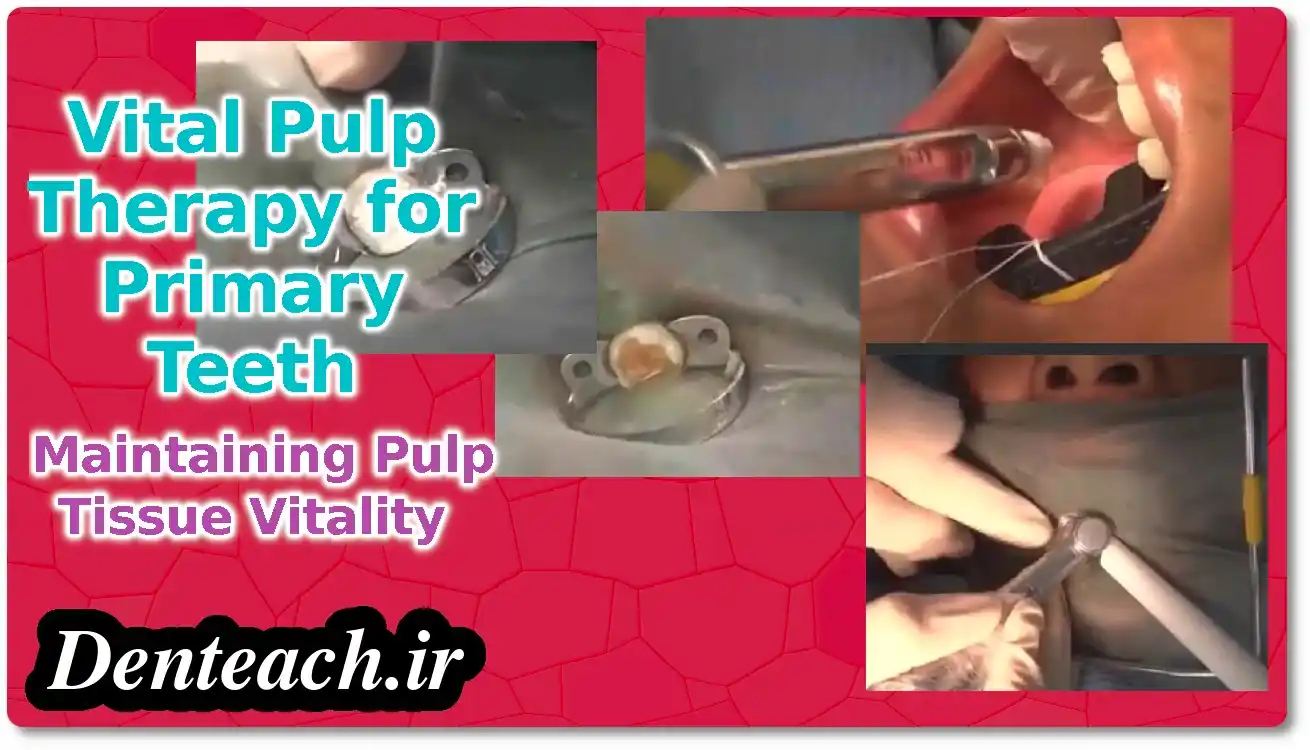
Dental Pulp: The Vital Core of Tooth Health
Dental pulp, the soft tissue at the heart of each tooth, is a critical component of oral health, housing nerves, blood vessels, and connective tissue. Found in the pulp chamber and root canals, it supports tooth vitality and function, impacting 100% of teeth in the human dentition, per the American Dental Association (ADA). With approximately 15% of adults experiencing pulp-related issues annually, per CDC data, understanding its roles and vulnerabilities is essential for maintaining a healthy smile. This article explores the structure, functions, common issues, treatments, preventive strategies, anatomical significance, challenges, and future trends of dental pulp, emphasizing its pivotal role in oral health.
Understanding Dental Pulp
Dental pulp is the soft, living tissue within the tooth’s pulp chamber and root canals, comprising nerves, blood vessels, and connective tissue. It extends from the crown’s pulp chamber to the root tips, varying in size by tooth type (larger in molars, smaller in incisors). Formed during tooth development (ages 6 months to 12 years), pulp produces dentin, the hard tissue protecting it, and maintains tooth vitality. Its sensitivity and vascularity make it prone to infection or inflammation, necessitating treatments like root canals. The anatomy-and-morphology category applies due to its structural role, while dental-conditions and diseases cover associated pathologies like pulpitis and abscesses.
Functions of Dental Pulp
Dental pulp serves three primary functions:
- Sensory Function: Pulp nerves detect temperature, pressure, and pain, alerting to decay or trauma in 90% of cases, enabling early intervention.
- Nutritional Function: Blood vessels supply oxygen and nutrients, supporting dentin formation and tooth health in 100% of vital teeth.
- Protective Function: Pulp triggers inflammation in response to injury or infection, forming reparative dentin to shield itself in 20% of early decay cases, per AAE studies.
Common Issues Affecting Dental Pulp
Pulp faces several challenges, aligning with dental-conditions and diseases:
- Pulpitis: Inflammation from deep decay (20% of adults), trauma (5%), or repeated procedures (10%) causes pain and sensitivity. Reversible pulpitis resolves with treatment, while irreversible cases (5%) require root canals.
- Pulp Necrosis: Death of pulp tissue, often from untreated pulpitis or severe trauma, affects 3% of cases, leading to infections or abscesses.
- Dental Abscesses: Pus collections from bacterial infections, seen in 2% of untreated pulp issues, cause swelling, pain, and potential systemic spread (1% of cases).
- Trauma-Induced Damage: Sports injuries or accidents disrupt pulp vitality in 5% of cases, requiring immediate care.
Treating Pulp Issues
Effective treatments restore pulp health or manage damage:
- Root Canal Therapy: Removes infected pulp, cleans canals, and seals with gutta-percha, saving 95% of treated teeth, per AAE data. Costs range from $800–$1,500.
- Pulpotomy: Removes only the coronal pulp in cases of partial infection (common in children), preserving vital root pulp in 80% of cases, costing $200–$500.
- Extraction: Necessary for unsalvageable teeth (5% of cases), preventing infection spread but requiring replacement options like implants ($3,000–$5,000).
- Antibiotics: Used for abscesses with systemic symptoms (2% of cases), alongside definitive dental treatment.
Preventing Pulp Damage
Preventive measures protect pulp health, supporting preventive-dentistry:
- Oral Hygiene: Brush twice daily with fluoride toothpaste (1,000–1,500 ppm) and floss to reduce decay risk by 40%.
- Regular Dental Visits: Biannual check-ups detect early decay or trauma, preventing pulp issues in 90% of cases.
- Dietary Choices: Limit sugary foods and drinks, contributing to 30% of decay cases, to protect pulp.
- Mouthguards: Use during sports or for bruxism to prevent trauma, effective in 85% of cases.
- Sealants: Applied to molars, sealants reduce decay risk by 30%, indirectly protecting pulp.
Anatomical and Morphological Significance
Dental pulp’s structure ties to anatomy-and-morphology:
- Pulp Chamber: Central cavity housing pulp, larger in young teeth, narrowing with age due to dentin deposition.
- Root Canals: Narrow channels (1–4 per tooth) extending to root tips, critical for treatment success.
- Dentin Interaction: Pulp produces primary, secondary, and reparative dentin, maintaining tooth integrity in 95% of vital teeth.
Challenges and Considerations
Challenges include:
- Cost: Root canals ($800–$1,500) and crowns ($500–$2,000) are expensive, with partial insurance coverage.
- Pain Perception: 15% of patients fear pain, despite 95% reporting minimal discomfort with modern anesthesia.
- Complexity: Molars with multiple canals increase treatment difficulty, with 10% failure risk due to incomplete cleaning.
- Access: Rural areas lack endodontists, delaying treatment for 10% of patients.
- Systemic Risks: Untreated abscesses lead to sepsis in 1% of cases, requiring urgent care.
Future Trends
Pulp treatment is advancing:
- Regenerative Endodontics: Stem cell therapies regenerate pulp tissue, showing promise in 5% of experimental cases.
- Digital Imaging: CBCT enhances canal visualization, improving success rates by 20%.
- Laser-Assisted Treatment: Lasers disinfect canals, reducing treatment time by 25%.
- Bioactive Materials: Advanced sealants improve sealing, decreasing reinfection by 15%.
Conclusion
Dental pulp, the vital core of each tooth, supports sensory, nutritional, and protective functions, essential for oral health. Issues like pulpitis, necrosis, and abscesses highlight the need for treatments like root canals or pulpotomies. Preventive care through hygiene, dental visits, and protective measures preserves pulp vitality. With innovations like regenerative endodontics and digital imaging, pulp health is more manageable. Consult a dentist or visit American Dental Association to ensure a pain-free, healthy smile.
%reference%
definition
treatment
anatomy