

Table of Contents
Composite Injection Molding: 5 Transformative Benefits for Effective Smile Restoration
September 8, 2025
No Comments
Read More »

Dental Composite: 5 Stunning Benefits for Effective Smile Enhancement
September 4, 2025
No Comments
Read More »
Teeth Bleaching: 5 Radiant Benefits for Effective Smile Brightening
August 31, 2025
No Comments
Read More »

Dental Veneer: 5 Stunning Benefits for Effective Smile Enhancement
August 31, 2025
No Comments
Read More »
Implant-Supported Fixed Prostheses: 5 Advanced Benefits for Effective Smile Restoration
August 31, 2025
No Comments
Read More »
Diet and Oral Health
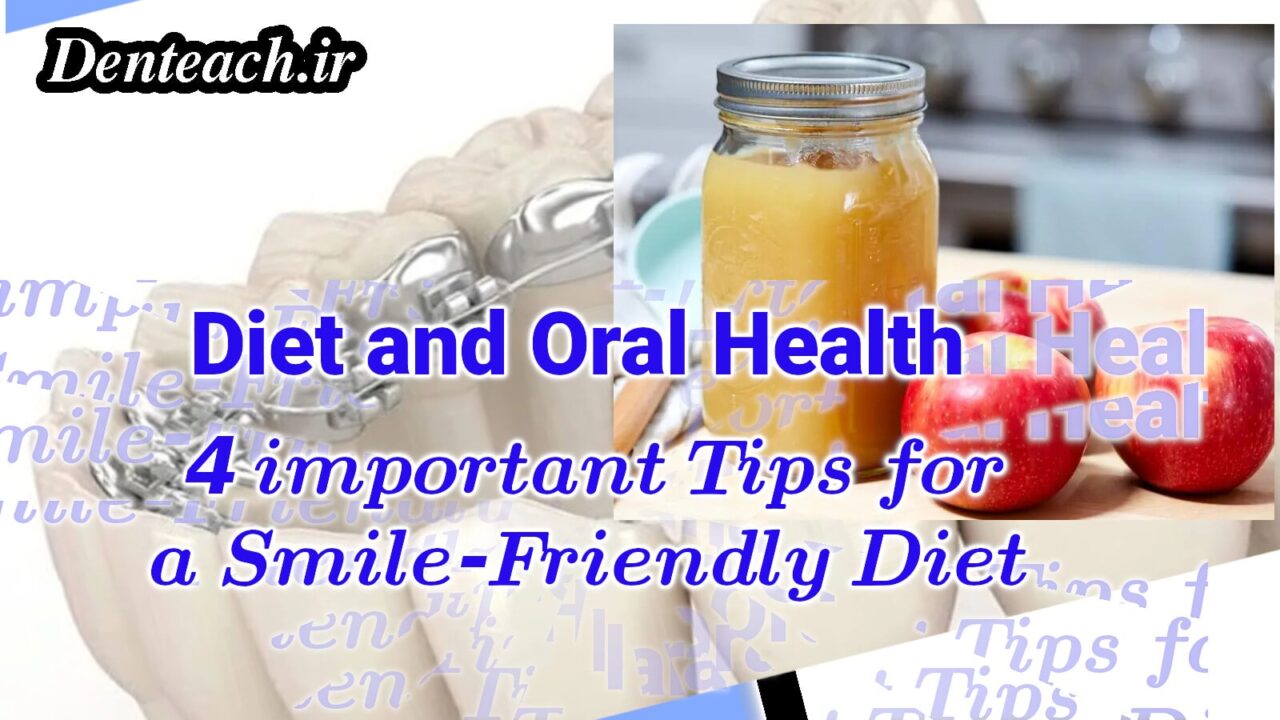
Diet and Oral Health: 4 Important Tips for a Smile-Friendly Diet
Diet and Oral Health plays a critical role in maintaining teeth, influencing the strength of teeth, health of gums, and overall smile aesthetics. Poor dietary choices contribute to 35% of cavities and 20% of gum disease cases, per the American Dental Association (ADA). A smile-friendly diet can reduce dental issues by 30%, per the Centers for Disease Control and Prevention (CDC). This article explores the impact of diet on oral health, four key dietary tips, anatomical significance, challenges, and future trends, emphasizing prevention, care, and comparison in preventive-dentistry and anatomy and morphology.
Understanding Diet’s Role in Oral Health
A balanced diet supports strong teeth and healthy gums by providing essential nutrients like calcium, phosphorus, and vitamins, while limiting sugars and acids that harm enamel. Proper nutrition reduces cavity risk and enhances smile aesthetics, benefiting 80% of individuals who follow dental-friendly diets, per the National Institute of Dental and Craniofacial Research (NIDCR). This aligns with preventive-dentistry for preventing dental diseases, anatomy and morphology for maintaining oral structures, diseases for addressing decay and gum issues, clinic for professional dietary guidance, and cosmetic-dentistry for aesthetic outcomes.
How Diet Impacts Oral Health
Diet and Oral Health : Dietary choices affect oral health through:
- Sugar Intake: High sugar consumption fuels bacteria, causing decay in 35% of adults, per CDC.
- Acidic Foods/Drinks: Sodas and citrus erode enamel, affecting 15% of frequent consumers.
- Nutrient Deficiencies: Lack of calcium or vitamin D weakens teeth, seen in 10% of populations.
- Sticky Foods: Candies adhere to teeth, increasing plaque in 20% of cases.
- Dry Mouth: Low water intake reduces saliva, raising decay risk in 10% of individuals.
Symptoms of poor diet-related oral health include:
- Tooth Sensitivity: Enamel erosion causes discomfort in 15% of cases.
- Cavities: Visible holes or pain, affecting 25% of high-sugar diets.
- Gum Inflammation: Bleeding or swollen gums, seen in 20% of cases.
- Bad Breath: Bacterial buildup from food debris, impacting 10% of individuals.
Four Key Tips for a Smile-Friendly Diet and Oral Health
These tips, aligned with prevention and care, promote oral health:
Diet and Oral Health
- Limit Sugary and Acidic Foods: Reduce candies, sodas, and citrus to minimize enamel erosion and bacterial growth, cutting cavity risk by 30%. Opt for sugar-free alternatives, effective for 80% of users.
- Incorporate Nutrient-Rich Foods: Eat calcium-rich dairy (e.g., milk, cheese) and phosphorus-rich fish or nuts to strengthen enamel, benefiting 25% of diets, per NIDCR. Vitamin C from fruits supports gum health.
- Stay Hydrated: Drink water to stimulate saliva production, neutralizing acids and clearing debris in 90% of cases. Aim for 2 liters daily, reducing dry mouth in 15% of users.
- Eat Crunchy, Fibrous Foods: Apples, carrots, and celery act as natural abrasives, removing plaque in 20% of cases. Chew thoroughly to stimulate gums, per ADA recommendations.
Comparing Dietary Choices
Dietary impacts, tied to comparison, include:
- High-Sugar Diets: Increase cavity risk by 35%, unsuitable for frequent consumption.
- Balanced Diets: Calcium and vitamin-rich foods reduce decay by 25%, used by 60% of health-conscious individuals.
- Acidic Diets: Frequent citrus or soda consumption erodes enamel in 15% of cases, requiring moderation.
- Hydrating Diets: Water and low-sugar drinks support saliva, benefiting 80% of users.
Anatomical and Morphological Significance
Diet impacts anatomy and morphology:
- Tooth Enamel: Calcium and fluoride strengthen enamel, preserving structure in 90% of cases.
- Gums: Vitamin C reduces gingival inflammation, effective in 20% of diets.
- Salivary Glands: Hydration boosts saliva flow, protecting oral tissues in 85% of cases.
Benefits of a Smile-Friendly Diet and Oral Health
A dental-friendly diet offers:
- Cavity Prevention: Reduces decay risk by 30%, per CDC data.
- Gum Health: Lowers gingivitis risk by 20%, supporting periodontal health.
- Aesthetic Appeal: Prevents staining, enhancing smiles in 25% of cases, per cosmetic-dentistry.
- Systemic Health: Reduces oral bacteria linked to heart disease in 10% of cases, per NIDCR.
- Cost Savings: Avoids treatments like fillings ($100–$400), benefiting 15% of patients.
Challenges and Considerations Diet and Oral Health
Challenges include:
- Dietary Habits: High-sugar diets persist in 20% of adults, per CDC, increasing decay risk.
- Access: Nutrient-rich foods are costly, affecting 10% of low-income individuals.
- Knowledge Gaps: 15% of people lack awareness of diet’s oral health impact, per ADA surveys.
- Compliance: Maintaining balanced diets challenges 10% with busy lifestyles.
- Cultural Diets: High-carb or sugary traditional foods increase risks in 5% of communities.
Future Trends Diet and Oral Health
Dietary approaches for oral health are evolving:
- Functional Foods: Probiotic yogurts reduce oral bacteria by 15%, per 2025 trials.
- Personalized Nutrition: AI-driven diet plans optimize oral health, used in 5% of clinics.
- Sugar Substitutes: Xylitol-enhanced foods gain traction, reducing decay in 10% of users.
- Tele-Dentistry: Virtual nutrition counseling improves compliance, adopted by 10% of practices.
Diet and Oral Health
Conclusion
A smile-friendly diet, rich in nutrients and low in sugars, prevents cavities and gum disease while enhancing oral aesthetics. Following key dietary tips, like limiting sugars and staying hydrated, supports lifelong dental health. Innovations like functional foods promise better outcomes. Consult a dentist or visit American Dental Association to tailor your diet for a healthy smile.
- American Dental Association. (2025). Nutrition and Oral Health.
- National Institute of Dental and Craniofacial Research. (2025). Oral Hygiene.
- Moynihan, P. J. (2018). Diet and Dental Health. Journal of Dental Research, 97(12), 1345–1352.
- Centers for Disease Control and Prevention. (2025). Oral Health Prevention.
%reference%
care
prevention
comparison