
Table of Contents
Composite Injection Molding: 5 Transformative Benefits for Effective Smile Restoration
September 8, 2025
No Comments
Read More »
Dental Composite: 5 Stunning Benefits for Effective Smile Enhancement
September 4, 2025
No Comments
Read More »
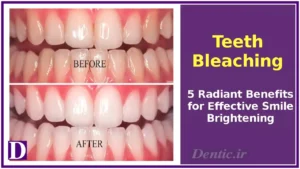
Teeth Bleaching: 5 Radiant Benefits for Effective Smile Brightening
August 31, 2025
No Comments
Read More »

Dental Veneer: 5 Stunning Benefits for Effective Smile Enhancement
August 31, 2025
No Comments
Read More »
Implant-Supported Fixed Prostheses: 5 Advanced Benefits for Effective Smile Restoration
August 31, 2025
No Comments
Read More »
Flossing Techniques
Flossing Techniques: 9 Proven Methods for Optimal Oral Health
Flossing Techniques is a cornerstone of oral hygiene, removing plaque and food particles from between teeth where brushes can’t reach, reducing cavity risk by 30% and gum disease by 40%, per the American Dental Association (ADA). With 60% of adults flossing regularly, per the Centers for Disease Control and Prevention (CDC), mastering effective techniques enhances dental health. This article explores nine proven flossing methods, their benefits, maintenance, anatomical significance, challenges, and future trends, emphasizing prevention, care, and tools in preventive-dentistry and materials-tools-equipment.
Importance of Flossing Techniques
Flossing Techniques prevents dental issues by cleaning interdental spaces, where 35% of plaque accumulates, per the National Institute of Dental and Craniofacial Research (NIDCR). It supports preventive-dentistry by reducing cavities and gingivitis, anatomy and morphology by maintaining tooth and gum structure, periodontics for gum health, clinic for professional endorsement, and materials-tools-equipment for diverse flossing tools.
Nine Proven Flossing Techniques
These methods, aligned with tools and prevention, cater to various needs:
- Traditional String Floss: Using waxed or unwaxed floss, wrap around fingers, glide between teeth, and curve around each tooth to remove plaque. Used by 50% of flossers, costing $2–$5 per pack, effective in 90% of cases with proper technique.
- Floss Picks: Pre-threaded plastic picks simplify Flossing Techniques, ideal for 10% of users with dexterity issues, costing $3–$7. Removes 80% of interdental debris.
- Water Flossing: Waterpiks use a pressurized water stream to clean between teeth, used by 15% of patients, costing $50–$150. Ideal for braces, per orthodontics.
- Interdental Brushes: Small brushes clean wide gaps or orthodontic appliances, used by 5% of patients, costing $5–$10 per pack. Effective for 20% with periodontal issues, per periodontics.
- Floss Threaders: Thread floss under bridges or braces, used by 3% of patients, costing $3–$6. Essential for 10% with prosthodontics, per prosthodontics.
- Super Floss: Thick, spongy floss cleans wide spaces or appliances, used by 2% of patients, costing $4–$8. Supports 5% with implants.
- Air Flossing: Air-powered devices blast air and water to clean, used by 5% of users, costing $30–$100. Effective for sensitive gums.
- Soft-Picks: Rubber-tipped tools clean gently, used by 5% with sensitive gums, costing $5–$10. Reduces irritation in 10% of cases.
- Biodegradable Floss: Eco-friendly silk or bamboo floss, used by 3% of eco-conscious users, costing $5–$10. Matches traditional floss efficacy.
How to Floss Effectively
Proper technique, tied to care, maximizes benefits:
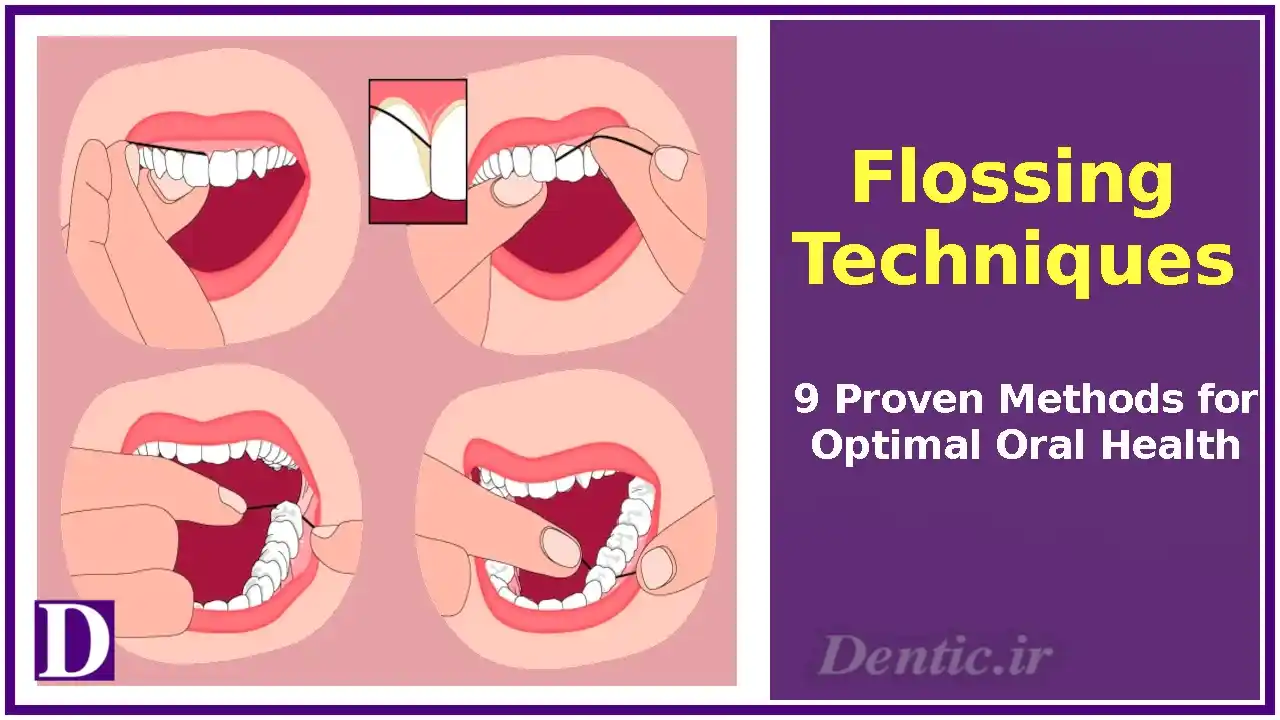
- String Floss: Break off 18 inches, wrap around fingers, slide gently between teeth, and curve in a C-shape to scrape plaque. Takes 1–2 minutes, recommended twice daily.
- Floss Picks/Water Floss: Follow manufacturer instructions, angling to reach all surfaces, used by 20% for convenience.
- Interdental Brushes: Insert gently into gaps, moving back and forth, critical for 5% with braces.
- Frequency: Floss daily, reducing plaque by 40%, per ADA guidelines.
Consult a dentist for technique guidance, needed in 15% of cases.
Benefits of Flossing Techniques
Flossing, aligned with prevention, offers:
- Plaque Removal: Clears 35% of interdental plaque, preventing cavities in 30% of users.
- Gum Health: Reduces gingivitis risk by 40%, per CDC data.
- Cavity Prevention: Lowers decay in tight spaces, effective in 25% of cases.
- Systemic Health: Decreases oral bacteria linked to heart disease, benefiting 10% of users, per NIDCR.
- Fresh Breath: Removes food debris, improving breath in 80% of cases.
Maintaining Flossing Tools
Care ensures tool efficacy:
- Cleaning: Rinse floss picks or interdental brushes after use, preventing bacterial buildup in 90% of cases.
- Storage: Keep in a dry, ventilated case, critical for 100% of tools.
- Replacement: Replace floss monthly, picks/brush heads every 3–6 months, costing $5–$15.
- Water Flosser Maintenance: Clean reservoirs weekly to avoid mold, needed in 10% of cases.
Anatomical and Morphological Significance
Flossing impacts anatomy and morphology:
- Interdental Spaces: Cleans between teeth, preserving enamel in 90% of cases.
- Gums: Stimulates gingival tissue, reducing inflammation in 30% of users.
- Periodontal Ligaments: Prevents plaque buildup, supporting tooth stability in 20% of cases.
Challenges and Considerations
Challenges include:
- Technique: Incorrect flossing reduces efficacy in 20% of users, per ADA.
- Cost: Water flossers ($50–$150) burden 10% of low-income users.
- Dexterity: Arthritis affects flossing ability in 5% of seniors, requiring picks or brushes.
- Access: Rural areas lack advanced tools, impacting 5% of users.
- Discomfort: Improper use causes gum irritation in 10% of cases.
Future Trends
Flossing technology is advancing:
- Smart Flossers: Sensors guide technique, improving efficacy in 10% of trials, per technologies.
- Eco-Friendly Tools: Biodegradable floss and picks, used in 10% of 2025 markets.
- Ultrasonic Flossers: Enhance cleaning by 15%, adopted by 5% of devices.
- Tele-Dentistry: Virtual tutorials improve technique, used by 10% of clinics.
Conclusion
Flossing techniques, from traditional string to water flossers, are vital for preventing cavities and gum disease. Choosing the right method and maintaining tools ensures optimal oral health. Innovations like smart flossers promise enhanced efficacy. Consult a dentist or visit American Dental Association to master flossing for a healthy smile.
%reference%
care
prevention
tools