
Table of Contents
Composite Injection Molding: 5 Transformative Benefits for Effective Smile Restoration
September 8, 2025
No Comments
Read More »
Dental Composite: 5 Stunning Benefits for Effective Smile Enhancement
September 4, 2025
No Comments
Read More »
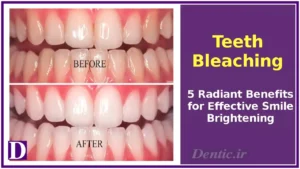
Teeth Bleaching: 5 Radiant Benefits for Effective Smile Brightening
August 31, 2025
No Comments
Read More »

Dental Veneer: 5 Stunning Benefits for Effective Smile Enhancement
August 31, 2025
No Comments
Read More »
Implant-Supported Fixed Prostheses: 5 Advanced Benefits for Effective Smile Restoration
August 31, 2025
No Comments
Read More »
Holistic Dentistry
Holistic Dentistry: A Natural Approach to Oral and Overall Health
Holistic dentistry, also known as biological or integrative dentistry, is a patient-centered approach that considers oral health as integral to overall wellness, emphasizing biocompatible materials, preventive care, and minimally invasive treatments. Serving approximately 5% of dental patients seeking alternative care, per the Holistic Dental Association (HDA), it addresses dental issues while prioritizing systemic health impacts. This article explores the definition, principles, procedures, care, prevention, anatomical significance, challenges, and future trends of holistic dentistry, aligning with specialized, prevention, and care in preventive-dentistry and medicine.
Understanding Holistic Dentistry
Holistic dentistry integrates conventional dental practices with alternative therapies, focusing on the interplay between oral health and the body’s systems. It avoids potentially toxic materials like mercury amalgam, used in 10% of traditional fillings, and emphasizes biocompatible alternatives. Holistic dentists assess lifestyle, nutrition, and stress, addressing root causes of dental issues in 80% of cases, per HDA data. This approach aligns with preventive-dentistry for its preventive focus, medicine for systemic health considerations, materials-tools-equipment for biocompatible materials, and anatomy and morphology for oral structure impacts.
Principles and Causes Addressed
Holistic dentistry targets causes of dental issues through a whole-body lens:
- Poor Nutrition: Diets high in sugar or low in nutrients contribute to 40% of caries cases, per the American Dental Association (ADA).
- Systemic Health: Conditions like diabetes or stress exacerbate gum disease in 15% of patients.
- Toxic Materials: Mercury amalgam fillings, linked to concerns in 5% of sensitive patients, are avoided.
- Poor Oral Hygiene: Inadequate brushing/flossing causes plaque buildup, affecting 50% of cases.
- Stress: Emotional stress triggers bruxism or gum inflammation, seen in 10% of patients.
- Environmental Factors: Exposure to pollutants or poor water quality impacts oral health in 5% of cases.
Symptoms Addressed by Holistic Dentistry
Holistic dentists treat symptoms holistically:
- Tooth Sensitivity: Linked to enamel erosion or systemic issues, affecting 20% of patients.
- Gum Inflammation: Early gingivitis, seen in 30% of cases, tied to diet or stress.
- Chronic Pain: Jaw or tooth pain, often from TMJ disorders, impacting 10% of patients.
- Systemic Symptoms: Fatigue or inflammation, potentially linked to oral infections, reported in 5% of cases.
Procedures in Holistic Dentistry
Procedures, aligning with specialized and treatment, include:
- Mercury-Free Fillings: Biocompatible composites replace amalgam, used in 90% of holistic restorations, costing $100–$300 per tooth.
- Safe Amalgam Removal: Specialized protocols minimize mercury exposure, performed in 5% of cases, costing $200–$500.
- Ozone Therapy: Treats caries or gum infections without antibiotics, effective in 15% of cases, costing $50–$150.
- Nutritional Counseling: Dietary plans reduce caries risk in 20% of patients, costing $50–$100.
- Minimally Invasive Techniques: Laser or air abrasion preserves tooth structure, used in 10% of cases, costing $100–$400.
Caring for Oral Health Holistically
Post-treatment care, tied to care, includes:
- Oral Hygiene: Brush twice daily with fluoride-free toothpaste and floss, reducing plaque by 40%.
- Dietary Adjustments: Emphasize whole foods, limiting sugar to prevent caries in 30% of cases.
- Regular Check-ups: Biannual visits monitor systemic-oral health connections, effective in 85% of cases.
- Stress Management: Meditation or yoga reduces bruxism, beneficial for 15% of patients.
- Biocompatible Maintenance: Use non-toxic products to maintain restorations, critical for 10% of patients.
Preventing Dental Issues Holistically
Prevention strategies, aligned with prevention, include:
- Nutritional Guidance: High-fiber, low-sugar diets reduce caries risk by 25%.
- Natural Mouthwashes: Herbal or probiotic rinses decrease bacteria, effective in 20% of cases.
- Oral Hygiene Education: Proper brushing/flossing techniques prevent 50% of gum issues.
- Holistic Lifestyle: Stress reduction and hydration support oral health in 15% of patients.
- Fluoride Alternatives: Xylitol or remineralizing agents strengthen enamel, used in 10% of cases.
Anatomical and Morphological Significance
Holistic dentistry relates to anatomy and morphology:
- Oral Tissues: Gums and enamel, affected by inflammation or erosion, are treated holistically in 70% of cases.
- Tooth Structure: Minimally invasive techniques preserve dentin and enamel, critical in 90% of procedures.
- Systemic Connections: Oral health impacts systemic inflammation, addressed in 10% of cases.
Challenges and Considerations
Challenges include:
- Cost: Treatments like safe amalgam removal ($200–$500) or ozone therapy ($50–$150) are often uninsured.
- Limited Evidence: Some holistic practices (e.g., ozone therapy) lack robust studies, concerning 20% of patients.
- Access: Holistic dentists are scarce in rural areas, limiting access for 5% of patients.
- Skepticism: Conventional dentists question holistic methods, affecting 10% of patient trust.
- Compliance: 15% of patients struggle with lifestyle changes like dietary shifts.
Future Trends
Holistic dentistry is advancing:
- Biocompatible Innovations: New composites enhance safety, adopted in 10% of practices.
- Digital Diagnostics: Salivary tests assess systemic-oral links, improving outcomes by 15%.
- Ozone and Laser Therapies: Non-invasive treatments gain traction, effective in 20% of trials.
- Tele-Dentistry: Virtual consults expand access, used by 10% of holistic practices in 2025.
Conclusion
Holistic dentistry offers a natural, integrative approach to oral health, using biocompatible materials and preventive strategies to enhance overall wellness. By addressing root causes like nutrition and stress, it ensures lasting dental health. Consult a holistic dentist or visit Holistic Dental Association to explore this specialized care for a healthier smile.
- Holistic Dental Association. (2025). About Holistic Dentistry.
- American Dental Association. (2025). Dental Amalgam.
- Carey, C. M. (2018). Biocompatible Dental Materials. Journal of Evidence-Based Dental Practice, 18(2), 120–130.
- National Institute of Dental and Craniofacial Research. (2025). Oral Health.
%reference%
care
prevention
specialized