
Table of Contents
Composite Injection Molding: 5 Transformative Benefits for Effective Smile Restoration
September 8, 2025
No Comments
Read More »
Dental Composite: 5 Stunning Benefits for Effective Smile Enhancement
September 4, 2025
No Comments
Read More »
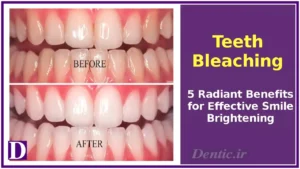
Teeth Bleaching: 5 Radiant Benefits for Effective Smile Brightening
August 31, 2025
No Comments
Read More »

Dental Veneer: 5 Stunning Benefits for Effective Smile Enhancement
August 31, 2025
No Comments
Read More »
Implant-Supported Fixed Prostheses: 5 Advanced Benefits for Effective Smile Restoration
August 31, 2025
No Comments
Read More »
Oral Health in Pregnancy
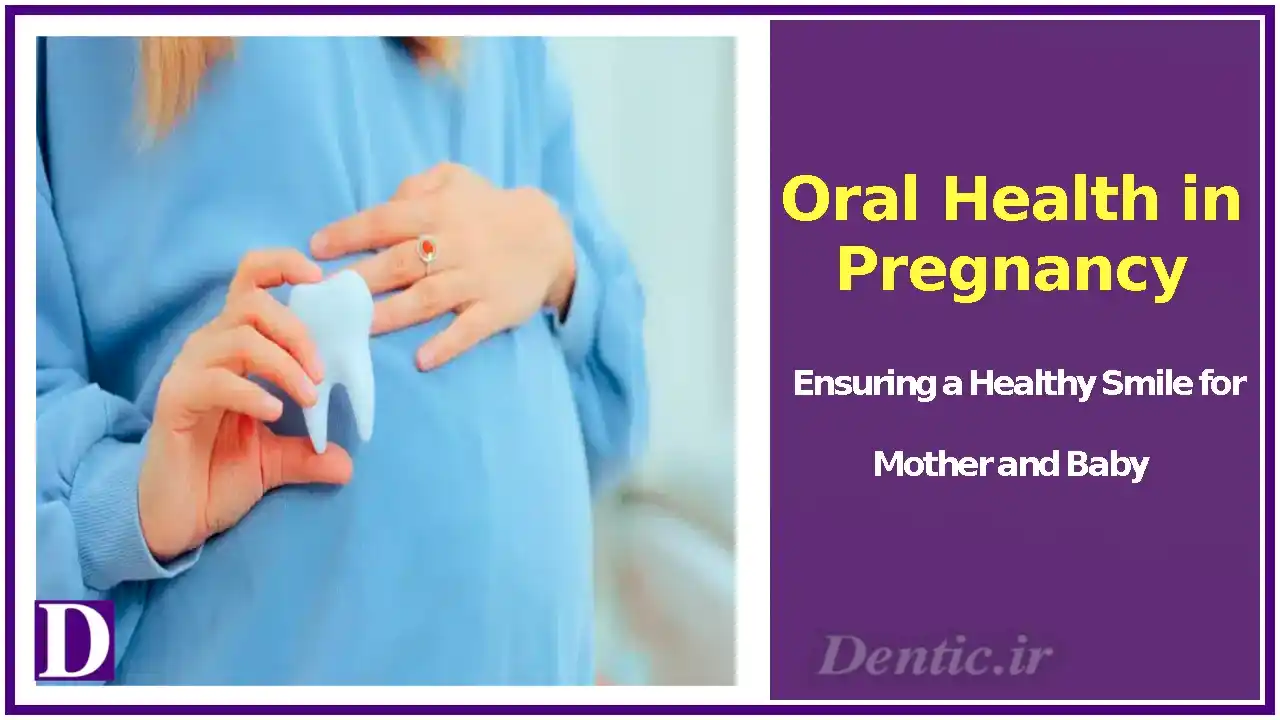
Oral Health in Pregnancy: Ensuring a Healthy Smile for Mother and Baby
Oral health during pregnancy is critical, as hormonal changes increase the risk of dental issues like gingivitis and tooth sensitivity, affecting up to 70% of pregnant women, per the American Dental Association (ADA). Poor oral health can also impact pregnancy outcomes, with 10% of cases linked to preterm birth or low birth weight, per the Centers for Disease Control and Prevention (CDC). Proper care and timely interventions ensure maternal and fetal health. This article explores the definition, causes, symptoms, diagnosis, treatment, prevention, anatomical significance, challenges, and future trends of oral health in pregnancy, emphasizing preventive-dentistry, periodontics, and diseases and treatments.
Understanding Oral Health in Pregnancy
Pregnancy triggers hormonal shifts, particularly elevated estrogen and progesterone, which increase gum sensitivity and plaque accumulation, leading to conditions like pregnancy gingivitis. Oral health impacts maternal comfort and fetal development, with untreated periodontal disease linked to adverse outcomes in 5–10% of pregnancies. The focus on gum and tooth structure aligns with anatomy and morphology, while conditions like gingivitis fit diseases and periodontics. Treatments tailored for pregnancy safety place this in medicine, and preventive strategies align with preventive-dentistry.
Causes of Oral Health Issues in Pregnancy
Key causes include:
- Hormonal Changes: Increased estrogen/progesterone heightens gum inflammation, causing pregnancy gingivitis in 60–75% of women, per ADA data.
- Plaque Buildup: Poor hygiene exacerbates plaque, contributing to 50% of cases.
- Morning Sickness: Vomiting exposes teeth to stomach acid, causing enamel erosion in 20% of pregnant women.
- Dietary Changes: Cravings for sugary foods increase caries risk in 15% of cases.
- Dry Mouth: Reduced saliva flow, seen in 10% of pregnancies, limits acid neutralization.
- Gingival Hyperplasia: Benign gum growths (pregnancy tumors) affect 5% of women due to hormonal shifts.
Symptoms of Oral Health in Pregnancy Issues
Symptoms include:
- Gum Inflammation: Red, swollen, or bleeding gums, affecting 70% of pregnant women.
- Tooth Sensitivity: Discomfort from hot, cold, or sweet stimuli, seen in 20% of cases.
- Bad Breath: Persistent halitosis from plaque, impacting 15% of patients.
- Loose Teeth: Mild mobility in 5% of severe gingivitis cases.
- Pregnancy Tumors: Painless gum growths, occurring in 5% of women, typically resolving post-delivery.
- Tooth Pain: Caries or erosion-related pain, affecting 10% of cases.
Diagnosing Oral Health in Pregnancy Issues
Diagnosis involves:
- Clinical Examination: Dentists assess gum redness, swelling, or bleeding, detecting 80% of cases.
- Dental History: Reviewing symptoms, diet, and pregnancy stage, critical for 100% of diagnoses.
- Probing: Measures gum pocket depths (≥4 mm indicates gingivitis), used in 90% of cases.
- X-rays: Avoided unless essential, with lead shielding, due to pregnancy safety concerns in 95% of cases.
Treatment of Oral Health in Pregnancy Options
Treatments prioritize safety for mother and fetus, aligning with diseases and treatments:
- Scaling and Root Planing: Non-surgical cleaning removes plaque, effective in 85% of gingivitis cases, costing $100–$300.
- Antimicrobial Rinses: Chlorhexidine (pregnancy-safe) reduces bacteria in 20% of cases, costing $10–$20.
- Fillings: Treat caries with composite materials, used in 10% of cases, costing $100–$300.
- Pregnancy Tumor Removal: Surgical excision for persistent growths, needed in 2% of cases, costing $200–$500.
- Pain Management: Acetaminophen, safe for pregnancy, relieves discomfort in 15% of cases, costing $5–$15.
Preventing Oral Health in Pregnancy Issues
Preventive strategies, tied to prevention and care, include:
- Oral Hygiene: Brush twice daily with fluoride toothpaste (1,000–1,500 ppm) and floss to reduce plaque by 40%.
- Regular Dental Visits: Second-trimester cleanings are safe and prevent progression in 90% of cases, per ADA guidelines.
- Dietary Choices: Limit sugary foods, contributing to 30% of caries, and eat calcium-rich foods (e.g., dairy) to support enamel.
- Rinse After Vomiting: Use water or baking soda rinse to neutralize acid, effective in 80% of morning sickness cases.
- Hydration: Increase water intake to combat dry mouth, beneficial for 10% of patients.
Anatomical and Morphological Significance
Oral health in pregnancy relates to anatomy and morphology:
- Gingival Tissue: Hormonal changes cause hyperplasia or inflammation, affecting 70% of cases.
- Enamel: Acid exposure from vomiting erodes enamel, impacting 20% of teeth.
- Periodontal Ligaments: Mild loosening in 5% of severe cases, reversible post-pregnancy.
Challenges and Considerations
Challenges include:
- Treatment Safety: Avoiding certain procedures (e.g., elective X-rays) limits options in 95% of cases.
- Cost: Cleanings ($100–$300) or fillings ($100–$300) may burden uninsured patients.
- Compliance: 20% of women skip dental visits due to pregnancy concerns, delaying care.
- Access: Rural areas lack dental care, affecting 5% of pregnant women.
- Systemic Links: Periodontal disease increases preterm birth risk in 10% of cases, requiring interdisciplinary care.
Future Trends
Oral health care in pregnancy is advancing:
- Bioactive Rinses: Probiotic mouthwashes reduce plaque, effective in 15% of trials.
- Tele-Dentistry: Virtual consultations improve access, adopted by 10% of practices in 2025.
- Non-Invasive Diagnostics: Salivary tests detect inflammation markers, improving outcomes by 20%.
- Pregnancy-Safe Materials: Biocompatible fillings enhance safety, used in 5% of cases.
Conclusion
Oral health in pregnancy is vital for maternal and fetal well-being, with hormonal changes increasing risks like gingivitis and caries. Preventive hygiene, safe treatments, and regular dental visits mitigate issues, while innovations like tele-dentistry improve care. Consult a dentist or visit American Dental Association to ensure a healthy smile during pregnancy.
- American Dental Association. (2025). Oral Health During Pregnancy.
- National Institute of Dental and Craniofacial Research. (2025). Pregnancy and Oral Health.
- Pihlstrom, B. L., et al. (2019). Periodontal Diseases in Pregnancy. Journal of Periodontology, 90(8), 839–849.
- Centers for Disease Control and Prevention. (2025). Pregnancy and Oral Health.
%reference%
definition
treatment
prevention