
Table of Contents
Composite Injection Molding: 5 Transformative Benefits for Effective Smile Restoration
September 8, 2025
No Comments
Read More »
Dental Composite: 5 Stunning Benefits for Effective Smile Enhancement
September 4, 2025
No Comments
Read More »
Teeth Bleaching: 5 Radiant Benefits for Effective Smile Brightening
August 31, 2025
No Comments
Read More »

Dental Veneer: 5 Stunning Benefits for Effective Smile Enhancement
August 31, 2025
No Comments
Read More »
Implant-Supported Fixed Prostheses: 5 Advanced Benefits for Effective Smile Restoration
August 31, 2025
No Comments
Read More »
Oral Piercings
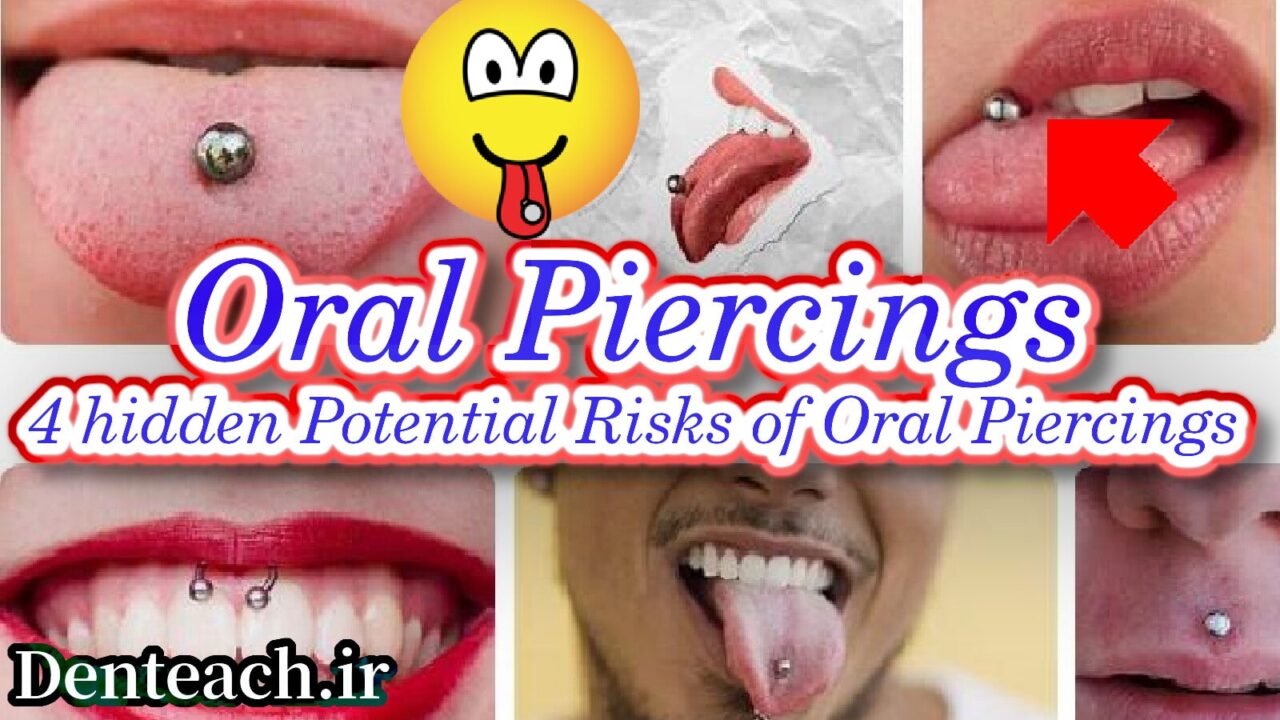
Oral Piercings: Balancing Aesthetics with Oral Health
Oral piercings, such as tongue, lip, or cheek piercings, are popular cosmetic enhancements, with 5% of adults aged 18–30 having at least one, per the American Dental Association (ADA). While they offer aesthetic appeal, they pose risks to oral health, increasing complications like tooth fractures by 15%, per the National Institute of Dental and Craniofacial Research (NIDCR). Proper care mitigates issues in 80% of cases. This article explores the definition, types, risks, care, prevention, anatomical significance, challenges, and future trends of oral piercings, emphasizing cosmetic, care, and prevention in cosmetic-dentistry and preventive-dentistry.
Understanding Oral Piercings
Oral piercings involve inserting jewelry, typically metal or plastic, through oral tissues like the tongue, lips, or cheeks for aesthetic purposes. Popular since the 1990s, they enhance self-expression but can damage teeth, gums, or mucosa if not managed properly. This aligns with cosmetic-dentistry for aesthetic appeal, anatomy and morphology for tissue impact, diseases for complications, preventive-dentistry for avoiding dental issues, and clinic for professional guidance.
Types of Oral Piercings
Common types include:
- Tongue Piercing: Through the tongue’s midline or sides, used by 3% of adults, costing $30–$100. Most common but risks tooth damage in 20% of cases.
- Lip Piercing: Pierces the upper or lower lip, used by 2% of individuals, costing $20–$80. May irritate gums in 15% of cases.
- Cheek Piercing: Through inner cheek tissue, less common (0.5% prevalence), costing $40–$120. Risks mucosal infections in 10% of cases.
- Frenum Piercing: Through the tissue connecting lips or tongue to gums, used by 1%, costing $30–$90. Lower risk but can affect speech in 5% of cases.
Risks and Complications
Oral piercings pose risks, tied to diseases:
- Tooth Damage: Chipping or cracking from jewelry contact, affecting 15% of wearers, per ADA.
- Gum Recession: Piercings irritate gums, causing recession in 10% of cases.
- Infections: Bacterial infections occur in 20% of new piercings due to oral bacteria, per NIDCR.
- Swelling/Pain: Initial swelling affects 80% of new piercings, lasting 1–2 weeks.
- Speech/Chewing Issues: Jewelry interferes in 5% of tongue piercing cases.
Managing Oral Piercings
Care strategies, aligned with care, include:
- Oral Hygiene: Brush twice daily with fluoride toothpaste (1,000–1,500 ppm) and floss to prevent plaque, critical for 90% of wearers.
- Rinsing: Use alcohol-free antiseptic mouthwash (e.g., chlorhexidine) to reduce bacteria, effective in 30% of cases, costing $5–$15.
- Jewelry Maintenance: Clean jewelry daily with saline solution to avoid infections, needed in 80% of cases, costing $2–$5.
- Professional Monitoring: Regular dental check-ups detect issues early, recommended biannually, costing $80–$200.
- Safe Jewelry: Use biocompatible materials like surgical steel or titanium to minimize irritation, used by 20% of wearers.
Preventing Complications
Prevention strategies, tied to prevention, include:
- Choose Reputable Piercers: Select licensed professionals to reduce infection risk, critical for 90% of new piercings.
- Avoid Hard Foods: Limit crunchy foods during healing (2–4 weeks) to prevent trauma, effective in 15% of cases.
- Regular Cleaning: Rinse after eating to clear debris, reducing bacterial growth in 25% of cases.
- Monitor Swelling: Seek dental care for prolonged swelling, needed in 5% of cases.
- Remove Jewelry if Needed: Remove during sports or sleep to avoid damage, advised for 10% of active wearers.
Four Key Tips for Oral Piercing Care
These tips enhance safety and health:
- Maintain Strict Hygiene: Brush and rinse with antiseptic mouthwash daily to prevent infections, effective in 80% of cases.
- Use Safe Materials: Choose hypoallergenic jewelry to reduce irritation, benefiting 20% of sensitive individuals.
- Monitor Oral Health: Visit a dentist biannually to catch complications early, critical for 15% with gum issues.
- Follow Aftercare Instructions: Rinse with saline and avoid smoking/alcohol during healing, reducing infection risk in 90% of cases.
Anatomical and Morphological Significance
Oral piercings impact anatomy and morphology:
- Oral Mucosa: Piercings alter tissue integrity, increasing infection risk in 20% of cases.
- Gums: Jewelry contact causes recession, affecting morphology in 10% of wearers.
- Teeth: Enamel chips from metal contact, altering structure in 15% of cases.
Benefits of Proper Piercing Care
Effective care offers:
- Reduced Complications: Lowers infection risk by 20%, per NIDCR.
- Aesthetic Longevity: Maintains piercing appeal, satisfying 80% of wearers.
- Oral Health Protection: Prevents gum recession and tooth damage in 25% of cases.
- Confidence Boost: Enhances self-expression, benefiting 70% socially.
- Cost Savings: Avoids treatments like fillings ($100–$400), saving costs in 10% of cases.
Challenges and Considerations
Challenges include:
- Infection Risk: 20% of piercings develop infections without proper care, per ADA.
- Cost: Aftercare products ($5–$15) and dental visits ($80–$200) burden 10% of users.
- Compliance: 15% neglect hygiene, increasing complications.
- Access: Rural areas lack piercing professionals or dentists, affecting 5% of wearers.
- Social Stigma: Workplace restrictions deter 10% of potential wearers.
Future Trends
Piercing care is advancing:
- Antimicrobial Jewelry: Silver-coated materials reduce bacteria, effective in 5% of trials, per technologies.
- Smart Monitoring: Apps track healing, used in 5% of 2025 cases.
- Biodegradable Jewelry: Eco-friendly options gain traction, used in 10% of markets.
- Tele-Dentistry: Virtual consults guide aftercare, adopted by 10% of clinics.
Conclusion
Oral piercings enhance aesthetics but require diligent care to prevent dental complications. Proper hygiene, safe materials, and regular check-ups ensure oral health. Innovations like antimicrobial jewelry promise safer outcomes. Consult a dentist or visit American Dental Association for guidance on safe oral piercings.
- American Dental Association. (2025). Oral Piercings.
- National Institute of Dental and Craniofacial Research. (2025). Oral Hygiene.
- Hennequin-Hoenderdos, N. L. (2018). Oral Piercings and Dental Health. Journal of Oral Pathology & Medicine, 47(12), 1345–1352.
- Centers for Disease Control and Prevention. (2025). Oral Health Conditions.
%reference%
care
prevention
cosmetic