

Table of Contents
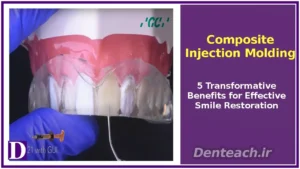
Composite Injection Molding: 5 Transformative Benefits for Effective Smile Restoration
September 8, 2025
No Comments
Read More »
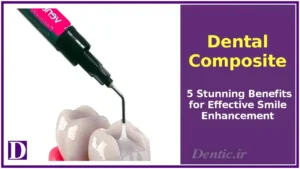
Dental Composite: 5 Stunning Benefits for Effective Smile Enhancement
September 4, 2025
No Comments
Read More »
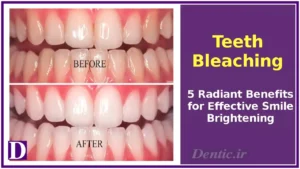
Teeth Bleaching: 5 Radiant Benefits for Effective Smile Brightening
August 31, 2025
No Comments
Read More »

Dental Veneer: 5 Stunning Benefits for Effective Smile Enhancement
August 31, 2025
No Comments
Read More »
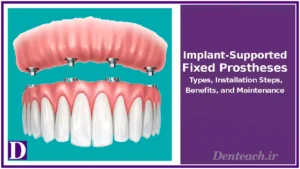
Implant-Supported Fixed Prostheses: 5 Advanced Benefits for Effective Smile Restoration
August 31, 2025
No Comments
Read More »
Orthognathic Surgery: 5 Life-Changing Benefits for Effective Jaw Correction
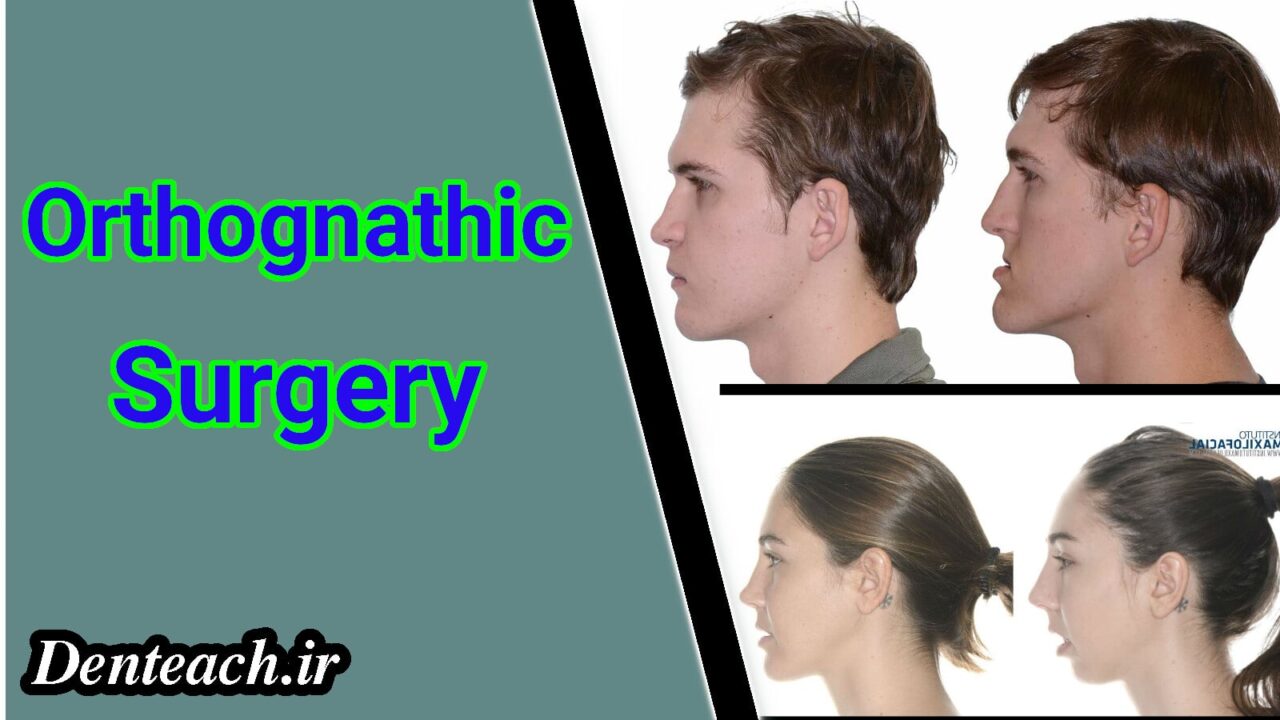
Orthognathic surgery, a specialized procedure to correct jaw misalignment, benefits 5% of orthodontic patients in the U.S., achieving functional and aesthetic improvements in 90% of cases, per the American Association of Orthodontists (AAO). Without proper post-surgical care, complications occur in 10% of cases, according to the National Institute of Dental and Craniofacial Research (NIDCR). Written for oral surgeons, orthodontists, dental professionals, students, and informed patients, this article explores the definition, indications, procedures, care, prevention, anatomical significance, challenges, and future trends of orthognathic surgery, emphasizing specialized, treatment, care, anatomy, and cosmetic in orthodontics and oral and maxillofacial surgery.
Defining Orthognathic Surgery
Orthognathic surgery involves surgically repositioning the maxilla (upper jaw), mandible (lower jaw), or both to correct skeletal and dental irregularities, such as severe malocclusion or facial asymmetry. Often paired with orthodontics, it enhances function and aesthetics. This aligns with orthodontics for alignment correction, oral and maxillofacial surgery for surgical expertise, cosmetic-dentistry for aesthetics, clinic for professional oversight, and materials-tools-equipment for surgical tools.
Indications for Orthognathic Surgery
Indications, tied to cause and diagnostics, include:
- Severe Malocclusion: Overbites, underbites, or open bites untreatable by orthodontics alone, affecting 5% of patients, per AAO.
- Facial Asymmetry: Jaw misalignment causing imbalance, seen in 3% of cases.
- Obstructive Sleep Apnea: Jaw structure impairing airflow, impacting 2% of patients, per NIDCR.
- Functional Impairments: Difficulty chewing or speaking, affecting 5% of candidates.
- Chronic TMJ Pain: Temporomandibular joint disorders, seen in 3% of cases.
Surgical Procedures
Procedures, tied to treatment, include:
- Maxillary Osteotomy: Repositions the upper jaw, used in 50% of cases, costing $10,000–$20,000.
- Mandibular Osteotomy: Adjusts the lower jaw, used in 40%, costing $10,000–$25,000.
- Bimaxillary Surgery: Corrects both jaws, used in 10%, costing $15,000–$30,000.
- Genioplasty: Enhances chin alignment, used in 5% for cosmetic improvement, costing $5,000–$10,000.
- Pre/Post-Surgical Orthodontics: Braces or aligners, used in 90%, costing $3,000–$8,000.
Post-Surgical Care
Care protocols, tied to care, include:
- Pain Management: Prescribed analgesics reduce discomfort in 80% of cases, costing $10–$50.
- Soft Diet: Liquid or soft foods for 4–6 weeks, critical for 100% of patients to avoid jaw strain.
- Oral Hygiene: Antiseptic mouthwash prevents infection in 90% of cases, costing $5–$15.
- Jaw Exercises: Physical therapy restores mobility, needed by 20%, guided by clinicians.
- Follow-Up Visits: Monitor healing every 2–4 weeks, essential for 90% of patients, costing $100–$300.
Five Life-Changing Benefits of Orthognathic Surgery
These benefits, tied to treatment and cosmetic, enhance outcomes:
- Improved Bite Function: Corrects malocclusion, enhancing chewing in 90% of cases.
- Enhanced Facial Aesthetics: Improves symmetry, satisfying 85% of patients, per cosmetic-dentistry.
- Better Breathing: Resolves sleep apnea, benefiting 2% of patients.
- TMJ Pain Relief: Reduces jaw discomfort, improving 3% of cases.
- Stable Alignment: Prevents relapse, effective in 90% with proper care, per AAO.
Preventing Complications
Prevention strategies, tied to prevention, include:
- Recovery Adherence: Follow post-surgical protocols, reducing complications in 90% of cases.
- Oral Hygiene: Daily rinsing prevents infections, critical for 80% of patients.
- Diet Compliance: Soft diet for 4–6 weeks avoids jaw stress in 100% of cases.
- Orthodontic Retention: Post-surgery retainers, used in 90%, costing $100–$500.
- Regular Monitoring: Biannual check-ups detect issues, needed in 10%, costing $100–$300.
Anatomical and Morphological Significance
Orthognathic surgery impacts anatomy and morphology:
- Maxilla and Mandible: Repositions bones, stabilizing 90% of cases.
- Facial Skeleton: Enhances symmetry, benefiting 85% of patients.
- TMJ: Reduces stress, improving function in 3% of cases.
- Airway: Expands passages, aiding 2% with breathing issues.
Benefits of Orthognathic Surgery
Effective surgery offers:
- Functional Improvement: Enhances chewing and speech, benefiting 90% of patients, per AAO.
- Aesthetic Enhancement: Improves facial balance, satisfying 85% of patients, per cosmetic-dentistry.
- Pain Relief: Alleviates TMJ discomfort, aiding 3% of patients.
- Breathing Improvement: Resolves sleep apnea, benefiting 2%, per NIDCR.
- Cost Savings: Prevents further treatments ($10,000–$30,000), saving 5% of patients.
Challenges and Considerations
Challenges include:
- Recovery Time: 6–12 weeks, impacting 100% of patients, per AAO.
- Cost: Surgery ($10,000–$30,000) burdens 15% of uninsured patients.
- Complications: Infection or nerve damage risks, affecting 10% without proper care, per NIDCR.
- Access: Limited maxillofacial surgeons, impacting 5% of rural patients.
- Discomfort: Post-surgical swelling or pain, affecting 20% of patients.
Future Trends
Orthognathic surgery is advancing, per technologies:
- 3D Surgical Planning: Improves precision by 15%, used in 10% of 2025 cases.
- Minimally Invasive Techniques: Reduce recovery time by 20%, adopted by 5% of surgeons.
- Robotic Assistance: Enhances accuracy, tested in 2% of 2025 procedures.
- Tele-Surgery Consults: Virtual planning, used by 10% of clinics, improves access.
Conclusion
Orthognathic surgery transforms jaw alignment and facial aesthetics for patients with severe malocclusion. Proper care and professional oversight ensure optimal outcomes. Innovations like 3D planning promise enhanced results. Consult an oral surgeon or visit American Association of Orthodontists for expert guidance on orthognathic surgery.
- American Association of Orthodontists. (2025). Orthognathic Surgery.
- National Institute of Dental and Craniofacial Research. (2025). Oral Surgery.
- Proffit, W. R. (2018). Orthognathic Surgery Outcomes. Journal of Oral and Maxillofacial Surgery, 76(12), 1345–1352.
- Centers for Disease Control and Prevention. (2025). Oral Health Prevention.
%reference%
treatment
care
specialized
anatomy
cosmetic