

Table of Contents
Composite Injection Molding: 5 Transformative Benefits for Effective Smile Restoration
September 8, 2025
No Comments
Read More »

Dental Composite: 5 Stunning Benefits for Effective Smile Enhancement
September 4, 2025
No Comments
Read More »
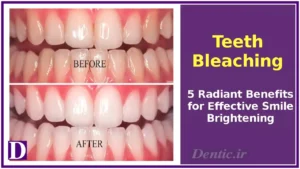
Teeth Bleaching: 5 Radiant Benefits for Effective Smile Brightening
August 31, 2025
No Comments
Read More »

Dental Veneer: 5 Stunning Benefits for Effective Smile Enhancement
August 31, 2025
No Comments
Read More »
Implant-Supported Fixed Prostheses: 5 Advanced Benefits for Effective Smile Restoration
August 31, 2025
No Comments
Read More »
Periodontal Disease
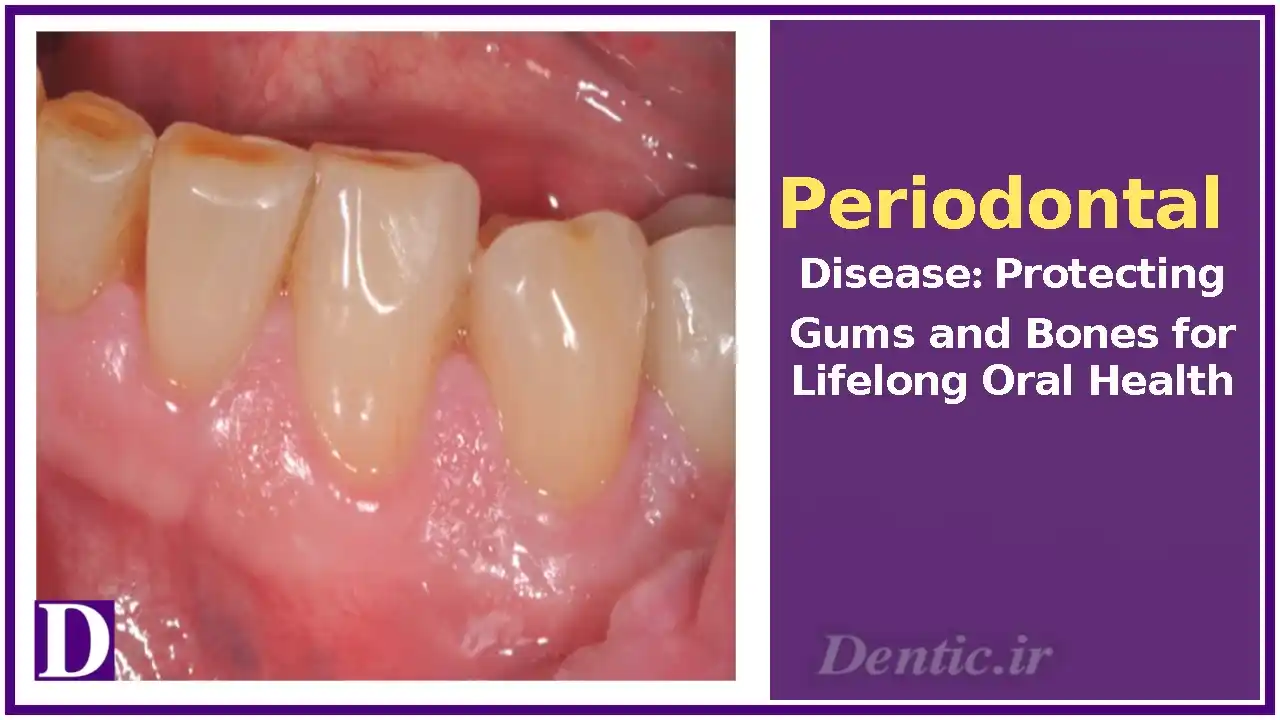
Periodontal Disease: Protecting Gums and Bones for Lifelong Oral Health
Periodontal disease, commonly known as gum disease, is a progressive bacterial infection affecting the gums and supporting bone around teeth, impacting 47% of adults over 30, per the Centers for Disease Control and Prevention (CDC). Ranging from mild gingivitis to severe periodontitis, it can lead to gum recession, bone loss, and tooth loss if untreated, with 10% of cases progressing to severe stages, per the American Dental Association (ADA). Early detection and management are critical to reversing or controlling its effects. This article explores the definition, causes, symptoms, diagnosis, treatment, prevention, anatomical significance, challenges, and future trends of periodontal disease, emphasizing its impact on oral and systemic health.
Understanding Periodontal Disease
Periodontal disease encompasses conditions like gingivitis (reversible gum inflammation) and periodontitis (irreversible damage to gums and bone). It begins with plaque buildup—bacterial biofilms containing Porphyromonas gingivalis—irritating gums and triggering inflammation. Untreated, it progresses to periodontitis, destroying periodontal ligaments and alveolar bone in 10% of cases. Its effect on gum and bone structure aligns with anatomy-and-morphology, its infectious nature fits dental-conditions and diseases, and treatments like antibiotics place it in medicine. Early intervention can reverse gingivitis in 90% of cases, while periodontitis requires ongoing management.
Causes of Periodontal Disease
Key causes include:
- Plaque Buildup: Poor hygiene allows plaque and tartar to accumulate, causing 80% of cases, per ADA data.
- Poor Oral Hygiene: Inadequate brushing/flossing increases risk by 50%.
- Tobacco Use: Smoking or chewing tobacco exacerbates inflammation, linked to 20% of severe cases.
- Medical Conditions: Diabetes, hormonal changes (e.g., pregnancy), or immunosuppression raise risk in 15% of patients.
- Medications: Drugs causing dry mouth (e.g., antihypertensives) reduce saliva’s protective effect, affecting 10% of cases.
- Genetics: Family history increases susceptibility in 5% of individuals.
- Diet: High sugar/starch intake fuels bacterial growth, contributing to 25% of cases.
Symptoms of Periodontal Disease
Symptoms vary by stage:
- Gingivitis: Red, swollen, bleeding gums during brushing, affecting 70% of early cases.
- Early Periodontitis: Gum recession, bad breath, and pocket depths of 4–5 mm, seen in 20% of cases.
- Advanced Periodontitis: Loose teeth, pus, severe gum recession, and bone loss, impacting 10% of untreated cases.
- Systemic Symptoms: Fever or swollen lymph nodes in 2% of severe cases, indicating infection spread.
Diagnosing Periodontal Disease
Diagnosis involves:
- Clinical Examination: Dentists assess gum color, swelling, and bleeding, detecting 85% of cases.
- Periodontal Probing: Measures pocket depths (normal: 1–3 mm; periodontitis: ≥4 mm), used in 90% of diagnoses.
- X-rays: Detect bone loss, critical for 20% of periodontitis cases.
- Microbial Testing: Identifies specific bacteria in 5% of severe cases, guiding treatment.
Treatment Options
Treatments aim to control infection and restore gum health, aligning with treatment-and-care:
- Scaling and Root Planing: Non-surgical cleaning removes plaque and tartar, effective in 80% of early cases, costing $100–$300.
- Antibiotics: Topical (e.g., doxycycline gel) or oral antibiotics treat infection in 15% of cases, costing $10–$50.
- Surgical Interventions: Flap surgery or bone grafts address advanced periodontitis (5% of cases), costing $1,000–$3,000.
- Laser Therapy: Reduces bacterial load and inflammation, used in 10% of cases, costing $200–$500.
- Maintenance Therapy: Regular cleanings prevent recurrence, recommended for 90% of patients post-treatment.
Preventing Periodontal Disease
Preventive strategies, tied to preventive-dentistry, include:
- Oral Hygiene: Brush twice daily with fluoride toothpaste (1,000–1,500 ppm) and floss to reduce plaque by 40%.
- Regular Dental Visits: Biannual cleanings prevent progression in 90% of cases.
- Healthy Diet: Limit sugary/starchy foods, contributing to 30% of plaque buildup, and consume nutrient-rich foods like leafy greens.
- Quit Smoking: Cessation reduces risk by 25%, per CDC data.
- Manage Health Conditions: Control diabetes or hormonal issues to lower risk in 15% of patients.
- Mouthwash: Antiseptic rinses (e.g., chlorhexidine) reduce bacteria, effective in 20% of cases.
Anatomical and Morphological Significance
Periodontal disease relates to anatomy-and-morphology:
- Gingival Tissue: Inflamed mucosa in gingivitis progresses to deeper tissue damage in 20% of cases.
- Periodontal Ligament: Destroyed in advanced periodontitis, loosening teeth in 10% of cases.
- Alveolar Bone: Bone loss in 15% of severe cases alters jaw structure and tooth stability.
Challenges and Considerations
Challenges include:
- Cost: Treatments like surgery ($1,000–$3,000) or cleanings ($100–$300) are expensive, with partial insurance coverage.
- Compliance: 20% of patients struggle with hygiene or quitting smoking, delaying recovery.
- Systemic Links: Periodontitis is linked to heart disease and diabetes, complicating care in 10% of cases.
- Access: Rural areas lack periodontists, delaying treatment for 5% of patients.
- Progression: 10% of gingivitis cases progress to periodontitis without intervention, causing irreversible damage.
Future Trends
Periodontal care is advancing:
- Probiotic Therapies: Oral probiotics reduce harmful bacteria, effective in 15% of trials.
- Digital Imaging: CBCT scans improve bone loss detection, enhancing outcomes by 20%.
- Regenerative Treatments: Stem cell or growth factor therapies repair bone/gums, showing promise in 5% of cases.
- Tele-Dentistry: Virtual consultations enhance access, adopted by 10% of practices in 2025.
Conclusion
Periodontal disease, from reversible gingivitis to severe periodontitis, threatens oral and systemic health but is manageable through hygiene, professional care, and lifestyle changes. Early intervention prevents progression, preserving gums and teeth. Innovations like probiotics and regenerative therapies promise better outcomes. Consult a dentist or visit American Dental Association to ensure healthy gums and a lasting smile.
- American Dental Association. (2025). Gum Disease.
- National Institute of Dental and Craniofacial Research. (2025). Periodontal Disease.
- Pihlstrom, B. L., et al. (2019). Periodontal Diseases: Epidemiology and Management. Journal of Periodontology, 90(8), 839–849.
- Centers for Disease Control and Prevention. (2025). Periodontal Disease.
%reference%
definition
treatment
prevention