

Table of Contents
Composite Injection Molding: 5 Transformative Benefits for Effective Smile Restoration
September 8, 2025
No Comments
Read More »

Dental Composite: 5 Stunning Benefits for Effective Smile Enhancement
September 4, 2025
No Comments
Read More »
Teeth Bleaching: 5 Radiant Benefits for Effective Smile Brightening
August 31, 2025
No Comments
Read More »

Dental Veneer: 5 Stunning Benefits for Effective Smile Enhancement
August 31, 2025
No Comments
Read More »
Implant-Supported Fixed Prostheses: 5 Advanced Benefits for Effective Smile Restoration
August 31, 2025
No Comments
Read More »
Periodontics
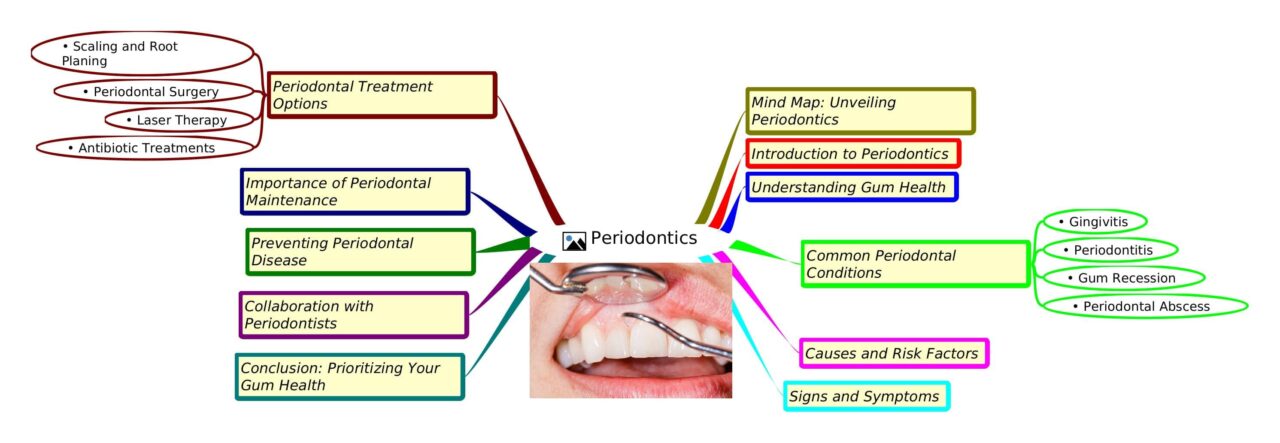
Periodontics: Safeguarding Your Smile Through Gum Health
Periodontics is a specialized branch of dentistry dedicated to the prevention, diagnosis, and treatment of diseases affecting the gums and supporting structures of the teeth, including ligaments and bone. With gum disease impacting over 50% of U.S. adults, according to the CDC, periodontics plays a critical role in preserving oral health and preventing tooth loss. By addressing conditions like gingivitis and periodontitis, periodontists help patients maintain healthy gums and radiant smiles. This article explores the definition, significance, common conditions, causes, treatments, maintenance, prevention, and future trends of periodontics, emphasizing its importance in comprehensive dental care.
Defining Periodontics
Periodontics focuses on the health of the periodontium—the gums, periodontal ligament, and alveolar bone that anchor and support teeth. This specialty involves preventing, diagnosing, and treating periodontal diseases, such as gingivitis and periodontitis, which can lead to tooth loss and systemic health issues like heart disease or diabetes complications. Periodontists, with three years of advanced training beyond dental school, use non-surgical and surgical techniques to restore gum health and function. With a 90% success rate in managing early gum disease, periodontics is essential for maintaining oral stability and aesthetics across all age groups.
Significance of Gum Health
Healthy gums are foundational to oral health, providing structural support for teeth and contributing to a confident smile. Gums act as a barrier against bacteria, preventing infections that can erode bone or destabilize teeth. Poor gum health, affecting 47% of adults over 30 per the American Academy of Periodontology (AAP), can lead to tooth loss, speech difficulties, and reduced quality of life. Additionally, gum disease is linked to systemic conditions, increasing risks of cardiovascular disease by 20% and complicating diabetes management, underscoring the need for periodontal care to enhance overall well-being.
Common Periodontal Conditions
Periodontal diseases and conditions include:
- Gingivitis: The earliest stage of gum disease, characterized by red, swollen, or bleeding gums due to plaque buildup. Reversible with improved hygiene and professional cleanings.
- Periodontitis: Advanced gum disease causing irreversible damage to gums, ligaments, and bone, leading to pocket formation, tooth mobility, and potential loss. Affects 10–15% of adults severely.
- Gum Recession: Gradual loss of gum tissue, exposing tooth roots, increasing sensitivity, and cavity risk. Often linked to aggressive brushing or periodontitis.
- Periodontal Abscess: A localized pus collection in the gums, causing pain, swelling, and potential bone loss if untreated.
Causes and Risk Factors
Periodontal issues arise from multiple factors:
- Poor Oral Hygiene: Inadequate brushing or flossing allows plaque to harden into tartar, triggering inflammation.
- Smoking/Tobacco Use: Increases gum disease risk by 2–7 times, impairing healing and immune response.
- Genetics: 30% of individuals have a genetic predisposition to periodontitis, even with good hygiene.
- Medical Conditions: Diabetes, hormonal changes, or autoimmune diseases elevate susceptibility.
- Medications: Drugs causing dry mouth or gum overgrowth (e.g., anticonvulsants) increase risk.
- Stress: Weakens immune defenses, exacerbating gum inflammation.
Signs and Symptoms
Early detection is key to managing periodontal disease. Common symptoms include:
- Bleeding gums during brushing or flossing
- Persistent bad breath or taste (halitosis)
- Red, swollen, or tender gums
- Receding gums or exposed tooth roots
- Loose or shifting teeth
- Changes in bite or tooth alignment
- Pain or discomfort when chewing
Periodontal Treatment Options
Periodontists employ various treatments tailored to disease severity:
- Scaling and Root Planing: A non-surgical deep cleaning to remove plaque and tartar below the gumline and smooth root surfaces, reducing bacterial adhesion. Effective for gingivitis and early periodontitis, with 85% improvement rates.
- Periodontal Surgery: For advanced cases, procedures like flap surgery (to clean deep pockets) or bone grafts (to regenerate lost bone) restore gum and bone health. Success rates reach 80–90% for stabilizing teeth.
- Laser Therapy: Uses targeted laser energy to remove infected tissue and promote healing, minimizing discomfort and recovery time. Increasingly popular, with 70% reduction in bacterial load.
- Antibiotic Treatments: Topical or systemic antibiotics (e.g., doxycycline gels) control infection and inflammation, often used alongside scaling or surgery.
- Gum Grafting: Restores receded gums using tissue grafts, improving aesthetics and reducing sensitivity.
Importance of Periodontal Maintenance
Ongoing care is critical for long-term gum health:
- Regular Check-Ups: Dental visits every 3–6 months for cleanings and periodontal assessments prevent disease recurrence, as 20–30% of treated patients experience relapse without maintenance.
- Home Care: Brush twice daily with fluoride toothpaste, floss daily, and use antibacterial mouthwash to control plaque.
- Professional Cleanings: Remove tartar and monitor gum pocket depths to ensure stability.
- Personalized Plans: Periodontists provide tailored recommendations based on disease history and risk factors.
Preventing Periodontal Disease
Prevention is the most effective strategy:
- Oral Hygiene: Brush for two minutes twice daily, floss daily, and use interdental brushes or water flossers for hard-to-reach areas.
- Healthy Lifestyle: Quit smoking, manage stress, and control chronic conditions like diabetes to reduce risk.
- Balanced Diet: Limit sugary foods and consume nutrient-rich fruits, vegetables, and dairy to support gum health.
- Professional Care: Schedule routine cleanings and exams to catch issues early, reducing gum disease risk by 60%.
- Dental Sealants: Protect molars from plaque buildup in high-risk patients.
Collaboration with Periodontists
Periodontists work synergistically with general dentists, orthodontists, and oral surgeons to provide comprehensive care. They specialize in complex cases, such as advanced periodontitis or implant-related gum issues, ensuring integrated treatment plans. Referrals to periodontists occur for 10–15% of dental patients with significant gum concerns, per AAP data.
Challenges and Considerations
Challenges include:
- Cost: Treatments range from $200–$500 for scaling to $1,000–$3,000 for surgery, though insurance may cover portions.
- Compliance: 30% of patients fail to maintain hygiene or attend follow-ups, increasing relapse risk.
- Discomfort: Mild soreness post-treatment affects 20% of patients, manageable with over-the-counter pain relievers.
- Chronic Nature: Periodontitis requires lifelong management, as it cannot be fully cured.
- Access: Limited access to periodontal specialists in rural areas affects 10% of U.S. patients.
Future Trends
Periodontics is advancing with innovation:
- Laser Technology: Non-invasive lasers improve precision and reduce recovery time.
- Regenerative Therapies: Stem cell and growth factor treatments may regenerate bone and gum tissue.
- AI Diagnostics: AI tools analyze periodontal data for early detection and personalized plans.
- Antimicrobial Advances: Nanoparticles and bioactive gels enhance bacterial control.
Conclusion
Periodontics is vital for nurturing gum health, preventing and treating diseases that threaten oral and systemic well-being. Through scaling, surgery, laser therapy, and preventive care, periodontists safeguard smiles with precision. With proper maintenance and emerging technologies like regenerative therapies, periodontal care ensures lasting results. Patients concerned about gum health should consult a periodontist or visit American Academy of Periodontology for expert guidance.
- American Academy of Periodontology. (2025). What is a Periodontist?
- American Dental Association. (2025). Periodontal Treatments.
- Sanz, M., et al. (2017). Non-surgical periodontal therapy: A review. Journal of Clinical Periodontology, 44(Suppl 18), S17–S27.
- American Academy of Periodontology. (2025). Periodontal Treatments and Procedures.
%reference%
definition
treatment
care
prevention