



Scaling and Root Planing: Restoring Gum Health Through Deep Cleaning
Scaling and root planing, commonly known as deep cleaning, is a non-surgical periodontal procedure designed to treat gum disease by removing plaque and tartar from below the gumline and smoothing tooth roots. As a cornerstone of periodontal therapy, this treatment addresses gingivitis and periodontitis, preventing tooth loss and restoring oral health. With gum disease affecting nearly 50% of adults over 30 in the U.S., according to the CDC, scaling and root planing is a critical intervention for maintaining healthy gums and teeth. This article explores the definition, indications, procedure, aftercare, benefits, challenges, and future trends of scaling and root planing, emphasizing its role in periodontal and preventive dentistry.
Defining Scaling and Root Planing
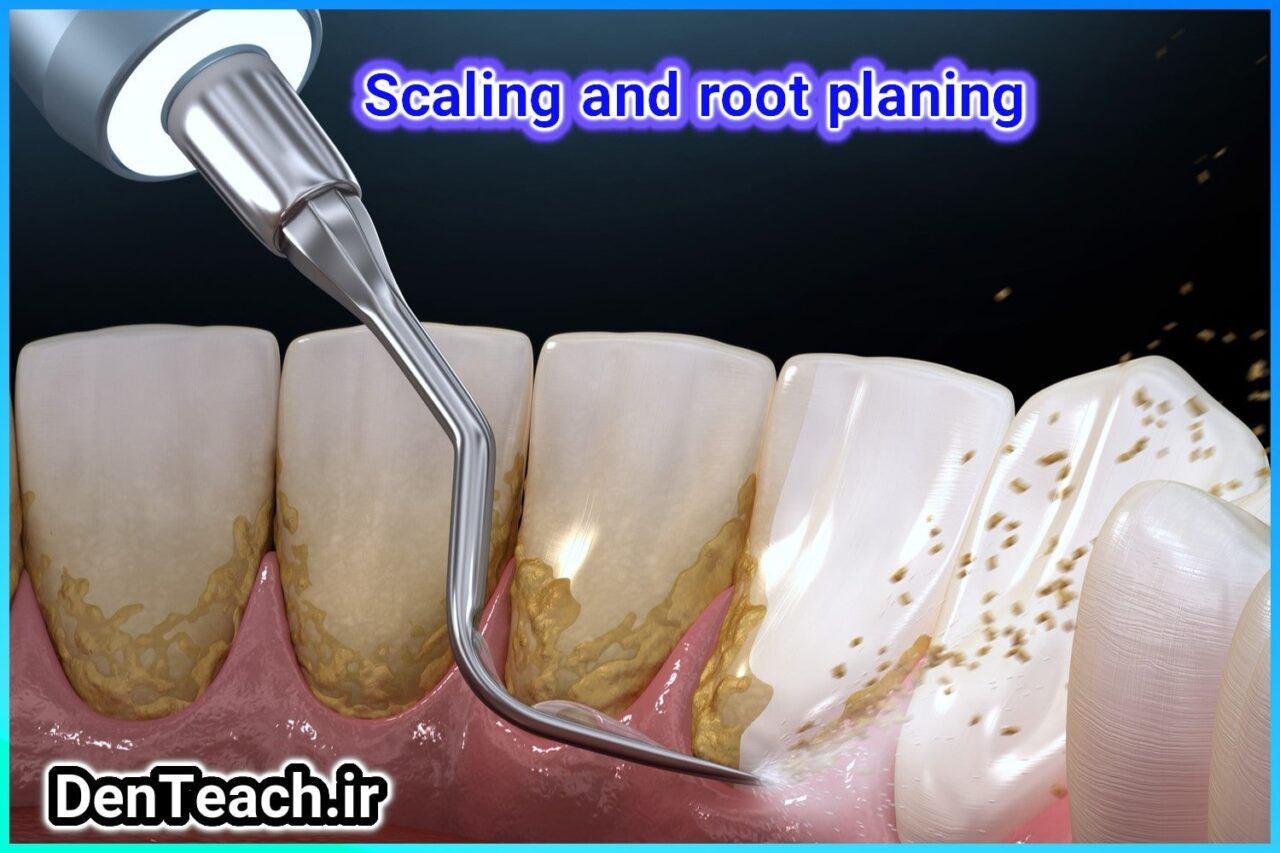
Scaling and root planing is a specialized, non-surgical dental procedure aimed at eliminating dental plaque, tartar (calculus), and bacterial toxins from tooth surfaces, particularly below the gumline. It consists of two key steps: scaling, which removes plaque and tartar, and root planing, which smooths the tooth roots to promote gum reattachment and prevent future buildup. This treatment targets gum disease, ranging from early-stage gingivitis (gum inflammation) to advanced periodontitis (gum and bone deterioration). By addressing the root causes of periodontal disease, scaling and root planing restores gum health, prevents tooth loss, and enhances overall oral function.
Indications for Scaling and Root Planing
Scaling and root planing is recommended for patients with signs of gum disease or related concerns:
- Gingivitis: Early-stage gum disease marked by red, swollen, or bleeding gums, often reversible with treatment.
- Periodontitis: Advanced gum disease causing deep periodontal pockets (spaces between teeth and gums), bone loss, and potential tooth mobility.
- Chronic Bad Breath: Persistent halitosis linked to bacterial accumulation in periodontal pockets.
- Periodontal Pockets: Pockets deeper than 3–4 mm, indicating gum detachment due to disease.
- Tooth Sensitivity or Loose Teeth: Symptoms of advanced gum disease affecting tooth stability.
Early intervention is crucial, as untreated gum disease can lead to tooth loss and systemic health issues, including links to heart disease and diabetes.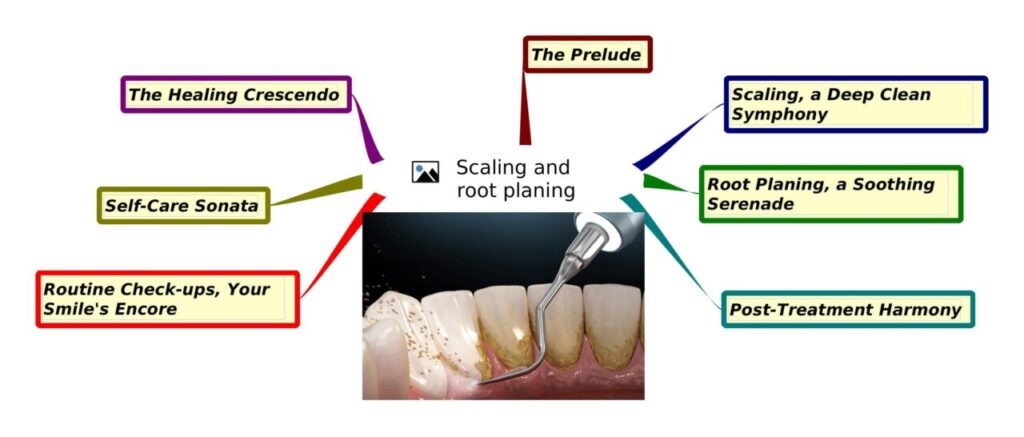
The Scaling and Root Planing Procedure
The procedure is a meticulous, multi-step process typically performed under local anesthesia for patient comfort:
- Examination: The dentist or hygienist assesses oral health using clinical exams, periodontal probing (measuring pocket depths), and X-rays or cone-beam CT to evaluate bone loss and tartar buildup.
- Scaling: Specialized instruments, such as ultrasonic scalers or manual curettes, remove plaque and tartar from tooth surfaces above and below the gumline. This step eliminates bacterial colonies causing inflammation.
- Root Planing: The tooth roots are smoothed to remove bacterial toxins and rough surfaces, promoting gum reattachment and reducing future plaque accumulation.
- Adjunctive Therapies: Antibacterial rinses (e.g., chlorhexidine) or local antimicrobials (e.g., Arestin®) may be applied to enhance healing and infection control.
- Follow-Up: Follow-up visits (1–3 months post-treatment) monitor gum health, measure pocket reduction, and assess healing.
The procedure may be completed in one or multiple visits, depending on the severity of the disease and the number of quadrants treated.
Post-Treatment Care and Maintenance
Proper aftercare is essential to ensure healing and prevent gum disease recurrence:
- Oral Hygiene: Brush twice daily with a soft-bristled toothbrush and fluoride toothpaste, and floss or use interdental brushes to clean between teeth.
- Regular Dental Visits: Schedule check-ups every 3–6 months to monitor periodontal health and remove residual plaque.
- Avoid Irritants: Refrain from smoking or consuming excessive alcohol, as these exacerbate gum inflammation.
- Healthy Diet: Limit sugary foods and drinks to reduce plaque formation and support gum health.
- Manage Sensitivity: Mild discomfort or sensitivity for 1–2 weeks post-treatment can be managed with desensitizing toothpaste or over-the-counter pain relievers.
Benefits of Scaling and Root Planing
Scaling and root planing offers significant benefits:
- Gum Health Restoration: Reduces inflammation, bleeding, and pocket depths, reversing gingivitis and halting periodontitis progression.
- Tooth Preservation: Prevents tooth loss by stabilizing supporting bone and gum tissues.
- Infection Control: Eliminates bacterial sources, reducing the risk of abscesses or systemic health complications.
- Improved Breath: Resolves chronic halitosis caused by gum infections.
- Non-Surgical Approach: Offers a minimally invasive alternative to surgical periodontal treatments, with success rates of 80–90% in early to moderate cases.
Challenges and Considerations
Challenges include:
- Discomfort: Temporary sensitivity or soreness occurs in 20–30% of patients, manageable with proper care.
- Cost: Costs range from $500–$2,000 in the U.S., depending on the number of quadrants and severity, though insurance often covers part of the expense.
- Recurrence Risk: Poor oral hygiene or smoking can lead to disease recurrence, requiring ongoing maintenance.
- Advanced Cases: Severe periodontitis may require surgical intervention if scaling and root planing are insufficient.
- Patient Compliance: Success depends on adherence to post-treatment care and follow-up visits.
Future Trends
Periodontal therapy is advancing with technology:
- Laser-Assisted Scaling: Lasers enhance bacterial removal and reduce discomfort in minimally invasive procedures.
- Ultrasonic Technology: Advanced ultrasonic scalers improve efficiency and patient comfort during scaling.
- Antimicrobial Innovations: Novel local-delivery antimicrobials (e.g., minocycline microspheres) improve infection control.
- Digital Diagnostics: AI-driven periodontal charting and cone-beam CT enhance precision in treatment planning.
Conclusion
Scaling and root planing is a transformative, non-surgical periodontal treatment that restores gum health by removing plaque and tartar and smoothing tooth roots. By addressing gingivitis, periodontitis, and related symptoms, it prevents tooth loss, improves oral health, and enhances quality of life. With diligent aftercare and advancements in laser, ultrasonic, and antimicrobial technologies, this procedure remains a cornerstone of periodontal and preventive dentistry. Patients noticing gum disease symptoms should consult a certified dentist