

Table of Contents
Composite Injection Molding: 5 Transformative Benefits for Effective Smile Restoration
September 8, 2025
No Comments
Read More »
Dental Composite: 5 Stunning Benefits for Effective Smile Enhancement
September 4, 2025
No Comments
Read More »
Teeth Bleaching: 5 Radiant Benefits for Effective Smile Brightening
August 31, 2025
No Comments
Read More »

Dental Veneer: 5 Stunning Benefits for Effective Smile Enhancement
August 31, 2025
No Comments
Read More »
Implant-Supported Fixed Prostheses: 5 Advanced Benefits for Effective Smile Restoration
August 31, 2025
No Comments
Read More »
Sedation Dentistry
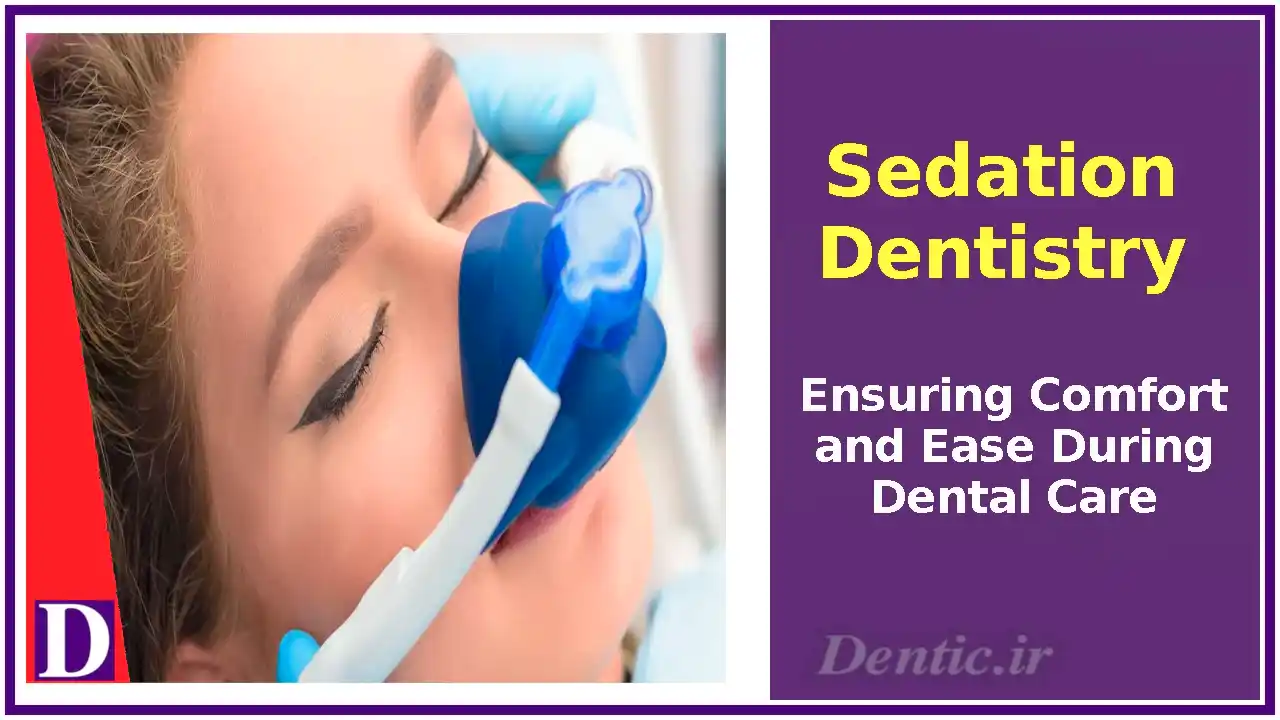
Sedation Dentistry: Ensuring Comfort and Ease During Dental Care
Sedation dentistry transforms the dental experience by using medications to relax patients, reducing anxiety and discomfort during procedures. Serving approximately 30% of patients with dental fear, per the American Dental Association (ADA), sedation enables complex treatments while ensuring comfort, particularly for children or those with special needs. With 95% of sedated patients reporting satisfaction, this specialized approach enhances access to oral health care. This article explores the definition, types, benefits, safety, care, anatomical significance, challenges, and future trends of sedation dentistry, emphasizing specialized, treatment, and care in medicine and pediatric-dentistry.
Understanding Sedation Dentistry
Sedation dentistry involves administering medications to help patients relax or reduce pain during dental procedures, often called “sleep dentistry,” though most patients remain awake except under general anesthesia. It’s used in 20% of procedures for anxious patients or extensive treatments, per the American Academy of Pediatric Dentistry (AAPD). This approach aligns with medicine for its pharmacological basis, pediatric-dentistry for child-specific applications, clinic for clinical settings, and anatomy and morphology for its impact on patient physiology, such as respiratory or neurological responses.
Types of Sedation in Dentistry
Sedation levels, tailored to procedure and patient needs, include:
- Minimal Sedation: Nitrous oxide (“laughing gas”) induces relaxation while keeping patients conscious, used in 40% of sedation cases, costing $50–$150. Patients remain responsive, ideal for mild anxiety.
- Moderate Sedation: Oral (e.g., midazolam) or intravenous (IV) sedation causes drowsiness, with 15% of patients recalling little, costing $100–$300. Used for moderate anxiety or longer procedures.
- Deep Sedation: IV-administered drugs place patients near unconsciousness but arousable, used in 5% of invasive cases, costing $200–$500.
- General Anesthesia: Renders patients fully unconscious, reserved for 2% of extensive procedures or severe anxiety, costing $500–$1,500.
Benefits of Sedation Dentistry
Key benefits, aligning with treatment, include:
- Reduced Anxiety: Sedation alleviates fear in 70% of anxious patients, per ADA data, improving visit tolerability.
- Pain Management: Minimizes discomfort during procedures, effective in 80% of cases.
- Time Efficiency: Enables multiple procedures in one visit, saving time in 25% of complex cases.
- Increased Cooperation: Benefits children or special-needs patients, improving compliance in 15% of cases.
- Memory Reduction: Moderate/deep sedation reduces procedure recall, enhancing comfort in 20% of patients.
Who Benefits from Sedation Dentistry
Sedation is ideal for:
- Dental Anxiety: Affects 30% of adults, per CDC, making sedation critical for compliance.
- Low Pain Threshold: Benefits 10% of patients sensitive to dental procedures.
- Sensitive Gag Reflex: Eases treatment for 5% of patients with strong reflexes.
- Extensive Procedures: Supports complex treatments like extractions, used in 15% of cases.
- Children and Special Needs: Enhances cooperation in 20% of pediatric or special-needs cases, aligning with pediatric-dentistry.
Safety and Consultation
Safety is paramount, aligning with care:
- Pre-Treatment Consultation: Dentists review medical history, allergies, and medications, mandatory for 100% of cases to determine sedation type.
- Trained Professionals: Sedation is administered by certified dentists, with 99% of procedures complication-free, per ADA studies.
- Monitoring: Continuous tracking of vitals (e.g., oxygen levels, heart rate) ensures safety in 95% of cases.
- Post-Procedure Care: Patients are monitored until sedation wears off, critical for 10% of moderate/deep sedation cases.
Post-Treatment Care
Care after sedation includes:
- Recovery Monitoring: Rest for 4–6 hours post-procedure, with supervision for moderate/deep sedation, needed in 15% of cases.
- Oral Hygiene: Resume brushing/flossing gently after 24 hours to prevent complications, effective in 90% of cases.
- Dietary Caution: Soft foods for 24–48 hours post-procedure, recommended for 10% of patients.
- Follow-Up: Dental visits assess healing, needed in 5% of cases for adjustments.
Anatomical and Morphological Significance
Sedation dentistry relates to anatomy and morphology:
- Oral Tissues: Sedation minimizes muscle tension, aiding precise treatment of gums and teeth in 80% of cases.
- Respiratory System: Nitrous oxide or IV sedation impacts breathing, monitored in 95% of procedures.
- Neurological Response: Sedatives affect consciousness and reflexes, tailored to patient physiology in 100% of cases.
Challenges and Considerations
Challenges include:
- Cost: Sedation costs $50–$1,500, often uninsured, burdening 20% of patients.
- Risk of Complications: Rare allergic reactions or respiratory issues occur in 1% of cases.
- Access: Only 25% of dentists are sedation-certified, limiting availability in rural areas for 5% of patients.
- Recovery Time: Moderate/deep sedation requires recovery, affecting 10% of patients’ schedules.
- Patient Suitability: Medical conditions (e.g., respiratory issues) restrict sedation in 3% of cases.
Future Trends
Sedation dentistry is advancing:
- Safer Sedatives: New drugs with shorter recovery times, effective in 10% of trials.
- Digital Monitoring: Wearable sensors improve vital tracking, enhancing safety in 15% of cases.
- Pediatric Protocols: Child-specific sedation techniques, adopted in 5% of practices in 2025.
- Tele-Dentistry: Virtual pre-sedation consults expand access, used by 10% of clinics.
Conclusion
Sedation dentistry revolutionizes dental care by reducing anxiety and enhancing comfort, enabling complex treatments for anxious patients, children, or those with special needs. With safe, tailored sedation levels and proper care, it ensures a stress-free experience. Consult a dentist or visit American Dental Association to explore sedation options for comfortable dental care.
- American Dental Association. (2025). Sedation Dentistry.
- American Academy of Pediatric Dentistry. (2025). Sedation FAQs.
- Becker, D. E. (2018). Sedation in Dentistry. Journal of Dental Anesthesia, 26(3), 123–130.
- National Institute of Dental and Craniofacial Research. (2025). Oral Health and Sedation.
%reference%
treatment
care
specialized