

Table of Contents
Composite Injection Molding: 5 Transformative Benefits for Effective Smile Restoration
September 8, 2025
No Comments
Read More »

Dental Composite: 5 Stunning Benefits for Effective Smile Enhancement
September 4, 2025
No Comments
Read More »
Teeth Bleaching: 5 Radiant Benefits for Effective Smile Brightening
August 31, 2025
No Comments
Read More »

Dental Veneer: 5 Stunning Benefits for Effective Smile Enhancement
August 31, 2025
No Comments
Read More »
Implant-Supported Fixed Prostheses: 5 Advanced Benefits for Effective Smile Restoration
August 31, 2025
No Comments
Read More »
Tooth Abscess
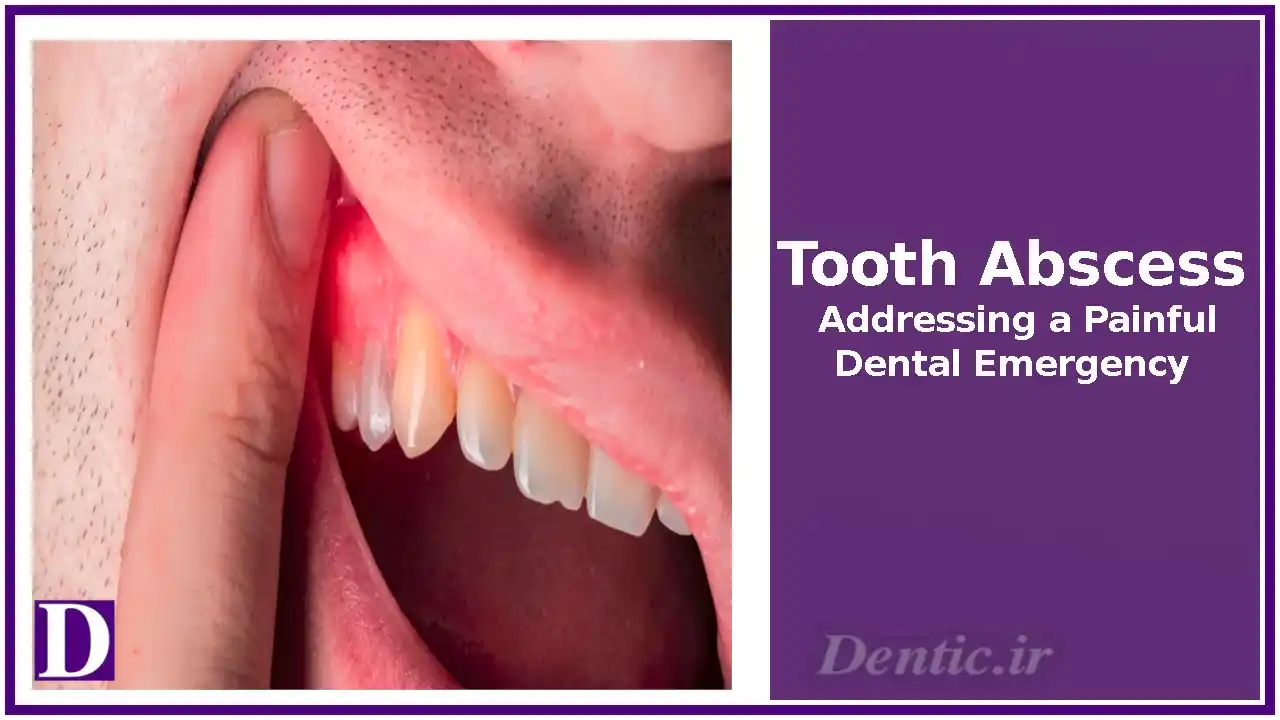
Tooth Abscess: Addressing a Painful Dental Emergency
A tooth abscess, also known as a dental abscess, is a localized, pus-filled infection at the root of a tooth or in the surrounding gum tissue, causing severe pain and posing serious health risks if untreated. Affecting approximately 2% of adults annually, per the American Dental Association (ADA), abscesses result from bacterial invasion of the dental pulp or periodontal tissues, with 90% requiring immediate intervention to prevent complications like systemic infection. This article explores the definition, causes, symptoms, diagnosis, treatment, prevention, anatomical significance, challenges, and future trends of tooth abscesses, emphasizing prompt care for oral health restoration.
Understanding Tooth Abscess
A tooth abscess is a bacterial infection leading to pus accumulation, typically classified as periapical (at the root tip) or periodontal (in the gums). It develops when bacteria penetrate the dental pulp—comprising nerves, blood vessels, and connective tissue—or periodontal pockets, often due to untreated decay or trauma. Abscesses cause intense pain and can spread to adjacent tissues or the bloodstream in 1% of cases, per the Centers for Disease Control and Prevention (CDC). The condition’s impact on tooth structure aligns with anatomy-and-morphology, its infectious nature fits dental-conditions and diseases, and antibiotic use places it in medicine.
Causes of Tooth Abscess
Key causes include:
- Severe Tooth Decay: Untreated caries reach the pulp, causing infection in 60% of abscess cases, per ADA data.
- Gum Disease: Periodontal disease creates pockets where bacteria thrive, contributing to 20% of abscesses.
- Cracked or Chipped Teeth: Fractures expose pulp to bacteria, seen in 10% of cases.
- Trauma: Physical injury to teeth allows bacterial entry, affecting 5% of cases.
- Poor Dental Hygiene: Inadequate brushing/flossing increases plaque, raising abscess risk by 30%.
- Weakened Immunity: Conditions like diabetes or HIV elevate infection risk in 5% of patients.
Symptoms of Tooth Abscess
Symptoms include:
- Severe Toothache: Persistent, throbbing pain, affecting 80% of cases, often radiating to the jaw or ear.
- Temperature Sensitivity: Pain from hot or cold stimuli, seen in 70% of patients.
- Chewing Sensitivity: Discomfort when biting, impacting 60% of cases.
- Facial Swelling: Swelling in the cheek or gums, present in 40% of cases.
- Lymph Node Swelling: Tender nodes under the jaw or neck, affecting 20% of patients.
- Foul Discharge: Sudden release of pus with a foul taste/smell upon rupture, occurring in 10% of cases.
- Systemic Symptoms: Fever or difficulty swallowing/breathing in 5% of severe cases, indicating spread.
Diagnosing a Tooth Abscess
Diagnosis involves:
- Dental History Review: Assessing symptoms and risk factors, critical for 100% of cases.
- Clinical Examination: Dentists check for swelling, redness, or pus, detecting 80% of abscesses.
- Dental X-rays: Identify abscess location and extent, used in 90% of diagnoses.
- Additional Tests: CT scans or blood tests assess spread in 5% of severe cases, per the American Association of Endodontists (AAE).
Treatment Options
Treatments aim to eliminate infection and preserve the tooth, aligning with treatment-and-care:
- Abscess Drainage: A small incision drains pus, relieving pain in 85% of cases, costing $100–$300.
- Root Canal Therapy: Removes infected pulp, cleans canals, and seals them with gutta-percha, saving 95% of treated teeth, costing $800–$1,500.
- Tooth Extraction: Removes unsalvageable teeth (5% of cases), preventing infection spread, costing $150–$600.
- Antibiotics: Amoxicillin or clindamycin treat spreading infections (10% of cases), costing $10–$50, often combined with definitive dental care.
- Pain Management: Analgesics (e.g., ibuprofen) alleviate discomfort, used in 70% of cases.
Preventing Tooth Abscess
Preventive measures, tied to preventive-dentistry, include:
- Oral Hygiene: Brush twice daily with fluoride toothpaste (1,000–1,500 ppm) and floss to reduce plaque by 40%.
- Regular Dental Visits: Biannual check-ups detect decay early, preventing abscesses in 90% of cases.
- Dietary Choices: Limit sugary/acidic foods, contributing to 60% of decay cases, to protect enamel.
- Mouthguards: Use for sports or bruxism to prevent trauma, effective in 85% of cases.
- Manage Health Conditions: Control diabetes or immune disorders to lower infection risk in 5% of patients.
Anatomical and Morphological Significance
Abscesses relate to anatomy-and-morphology:
- Dental Pulp: The infection’s origin, with nerves and vessels vulnerable to bacteria, affects 60% of periapical abscesses.
- Root Structure: Complex canals (1–4 per tooth) complicate treatment, increasing failure risk in 10% of cases.
- Periodontal Tissues: Gum pockets foster periodontal abscesses, seen in 20% of cases.
Challenges and Considerations
Challenges include:
- Cost: Treatments like root canals ($800–$1,500) or extractions ($150–$600) are costly, with partial insurance coverage.
- Pain and Fear: 20% of patients delay treatment due to pain or dental anxiety, worsening outcomes.
- Systemic Spread: Infections spread to the bloodstream in 1% of cases, requiring urgent care.
- Access: Rural areas lack endodontists, delaying treatment for 10% of patients.
- Recurrence: 5% of treated abscesses recur if hygiene isn’t maintained.
Future Trends
Abscess management is advancing:
- Digital Imaging: CBCT scans improve diagnosis accuracy by 20%, aiding complex cases.
- Antimicrobial Therapies: Nanoparticles target bacteria, reducing antibiotic reliance in 10% of trials.
- Regenerative Endodontics: Stem cell therapies restore pulp, showing promise in 5% of cases.
- Tele-Dentistry: Virtual consultations enhance access, adopted by 10% of practices in 2025.
Conclusion
A tooth abscess is a serious dental emergency requiring prompt treatment to relieve pain and prevent complications like systemic infection. Through drainage, root canals, or antibiotics, dentists can restore oral health, while preventive hygiene and regular check-ups reduce risk. Innovations like digital imaging and antimicrobial therapies promise better outcomes. Consult a dentist or visit American Dental Association to address abscesses and maintain a healthy smile.
- American Dental Association. (2025). Tooth Abscess.
- American Association of Endodontists. (2025). Root Canal Treatment.
- Torabinejad, M., et al. (2018). Endodontics: Principles and Practice. Journal of Endodontics, 44(12), 1783–1790.
- National Institute of Dental and Craniofacial Research. (2025). Tooth Decay and Infections.
%reference%
definition
treatment
prevention