

Table of Contents

Composite Injection Molding: 5 Transformative Benefits for Effective Smile Restoration
September 8, 2025
No Comments
Read More »

Dental Composite: 5 Stunning Benefits for Effective Smile Enhancement
September 4, 2025
No Comments
Read More »
Teeth Bleaching: 5 Radiant Benefits for Effective Smile Brightening
August 31, 2025
No Comments
Read More »

Dental Veneer: 5 Stunning Benefits for Effective Smile Enhancement
August 31, 2025
No Comments
Read More »
Implant-Supported Fixed Prostheses: 5 Advanced Benefits for Effective Smile Restoration
August 31, 2025
No Comments
Read More »
Types of Teeth
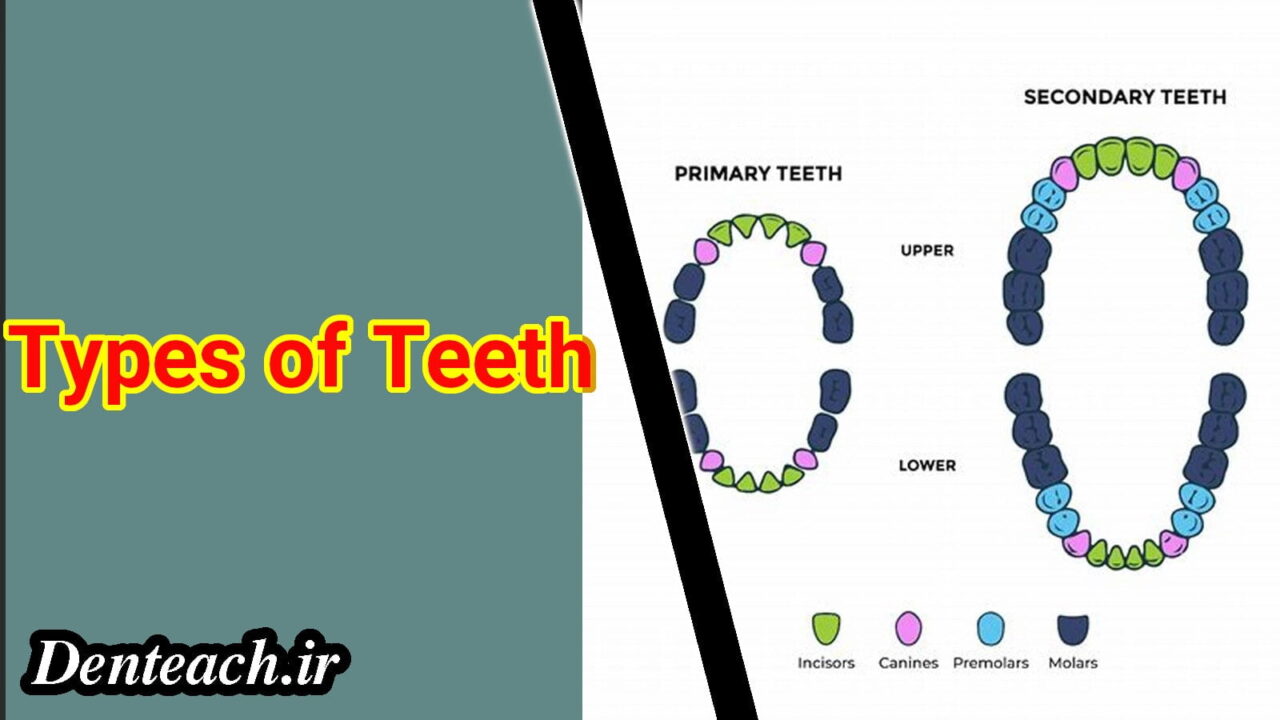
Types of Teeth: Exploring Their Roles in Oral Function and Health
Human teeth, varying in shape, size, and function, are integral to chewing, speaking, and maintaining oral health. With 32 permanent teeth in a typical adult dentition, as noted by the American Dental Association (ADA), each type—incisors, canines, premolars, molars, and wisdom teeth—serves a unique purpose. These differences in morphology and positioning enable efficient food processing and contribute to facial aesthetics, with 90% of adults relying on healthy teeth for daily function, per CDC data. This article delves into the characteristics, roles, anatomical significance, common issues, care strategies, and future trends of tooth types, emphasizing their importance in oral health.
Understanding Types of Teeth
Human teeth are specialized structures within the dental arches, designed for specific tasks in mastication, speech, and aesthetics. The permanent dentition includes 8 incisors, 4 canines, 8 premolars, and 12 molars (including 4 wisdom teeth), while children have 20 primary teeth. Each tooth type’s unique morphology—shape, cusp pattern, and root structure—supports its function, aligning with the anatomy-and-morphology category. Teeth form between ages 6 months and 12 years, with permanent teeth erupting from ages 6–12, except for wisdom teeth (17–25). Understanding these roles enhances appreciation for dental care and oral health maintenance.
Incisors
- Characteristics: Eight incisors (four upper, four lower) are located at the front of the mouth, featuring flat, chisel-like edges and single roots (8–10 mm long). Their thin enamel (0.5–1 mm) is optimized for cutting.
- Function: Incisors cut food into smaller pieces, initiating chewing in 80% of bites. They also aid speech (e.g., “f” and “v” sounds) and contribute to smile aesthetics.
- Issues: Prone to chipping (5% of trauma cases) or crowding, requiring orthodontics in 10% of cases.
Canines
- Characteristics: Four canines (two upper, two lower), also called cuspids, are positioned between incisors and premolars. They have a pointed cusp and the longest roots (up to 17 mm), providing stability.
- Function: Canines tear and grip tough foods like meat, supporting 20% of chewing tasks. They guide occlusion and stabilize the dental arch, reducing misalignment risk by 85%.
- Issues: Impaction affects 2–3% of canines, often requiring surgical intervention, while bruxism causes wear in 10% of adults.
Premolars
- Characteristics: Eight premolars (four upper, four lower), or bicuspids, lie behind canines. They feature flat surfaces with 1–2 cusps and two roots in upper premolars, one in lower, with enamel thickness of 1–1.2 mm.
- Function: Premolars crush and grind food, bridging canines’ tearing and molars’ grinding, used in 30% of chewing processes. They support arch alignment and occlusion.
- Issues: Cavities affect 15% of premolars due to their grooves, and fractures occur in 5% of trauma cases.
Molars
- Characteristics: Twelve molars (six upper, six lower) are the largest teeth, with broad, flat surfaces, 3–5 cusps, and multiple roots (2–3 in upper, 1–2 in lower). Enamel thickness reaches 1.5 mm.
- Function: Molars grind food into swallowable particles, handling 40% of chewing tasks, critical for digestion. They anchor the posterior arch, supporting bite force.
- Issues: Cavities are common (20% of adults), and root complexity complicates endodontic treatment in 10% of cases.
Wisdom Teeth
- Characteristics: Four third molars, erupting between ages 17–25, have variable cusp patterns and roots. Up to 30% of individuals lack one or more wisdom teeth, per ADA data.
- Function: Historically aided grinding in larger jaws, but modern diets reduce their necessity. They contribute minimally to chewing in 50% of cases.
- Issues: Impaction affects 60% of wisdom teeth, requiring extraction in 40% of cases to prevent pain or crowding, per AAOMS data.
Importance Types of Teeth
Each tooth type contributes uniquely:
- Function: Incisors cut, canines tear, premolars crush, and molars grind, ensuring efficient digestion and nutrient absorption in 95% of healthy adults.
- Speech: Teeth shape sounds, with incisors and canines critical for clear articulation in 80% of speech patterns.
- Aesthetics: Front teeth (incisors, canines) enhance smile symmetry, boosting confidence in 70% of patients post-treatment.
- Structural Integrity: Canines and molars stabilize the dental arch, preventing misalignment in 85% of cases.
The dental-anatomy and anatomy-and-morphology categories are justified by the focus on tooth structure and function, while oral-health and preventive-dentistry apply due to the emphasis on care.
Types of Teeth Common Issues and Dental Care
Tooth-specific issues include:
- Decay: Affects 26% of adults, with molars and premolars most at risk due to grooves.
- Impaction: Common in canines (2%) and wisdom teeth (60%), requiring orthodontics or surgery.
- Trauma: Incisors and canines face chipping or fractures in 5–10% of trauma cases.
- Wear: Bruxism wears canines and molars in 10% of adults, increasing sensitivity.
Care strategies include:
- Hygiene: Brush twice daily with fluoride toothpaste (1,000–1,500 ppm) and floss, reducing decay by 40%.
- Dental Visits: Biannual check-ups detect issues early, preventing complications in 90% of cases.
- Mouthguards: Protect against trauma or bruxism, effective in 85% of cases.
- Diet: Limit sugars to prevent cavities, critical for 30% of decay cases.
Challenges and Considerations Types of Teeth
Challenges include:
- Cost: Orthodontics ($3,000–$7,000) or extractions ($150–$600) for impacted teeth strain budgets.
- Access: Rural areas lack specialists, affecting 10% of patients with impaction issues.
- Compliance: 15% of patients struggle with hygiene or mouthguard adherence.
- Wisdom Tooth Variability: Unpredictable eruption complicates treatment in 20% of cases.
Future Trends Types of Teeth
Tooth care is advancing:
- Digital Imaging: CBCT enhances impaction diagnosis, improving outcomes by 20%.
- Bioactive Materials: Enamel-repairing composites reduce sensitivity in 15% of worn teeth.
- Orthodontic Innovation: Clear aligners shorten treatment time by 25% for misaligned teeth.
- Genetic Screening: Identifies impaction risk early, benefiting 5% of children.
Conclusion
The diverse types of teeth—incisors, canines, premolars, molars, and wisdom teeth—work synergistically to support chewing, speech, and aesthetics. Their unique anatomy underpins oral function, while proper care prevents issues like decay or impaction. With advancements like digital imaging and bioactive materials, maintaining healthy teeth is more achievable. Consult a dentist or visit American Dental Association to ensure a functional, confident smile.
- American Dental Association. (2025). Teeth.
- American Association of Orthodontists. (2025). About Orthodontics.
- Proffit, W. R., et al. (2018). Contemporary orthodontics. American Journal of Orthodontics and Dentofacial Orthopedics, 153(5), 611–620.
- American Association of Oral and Maxillofacial Surgeons. (2025). Wisdom Teeth.
%reference%
definition
care
anatomy