
Table of Contents
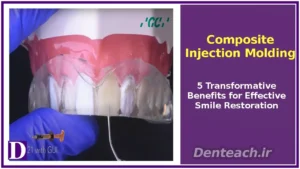
Composite Injection Molding: 5 Transformative Benefits for Effective Smile Restoration
September 8, 2025
No Comments
Read More »
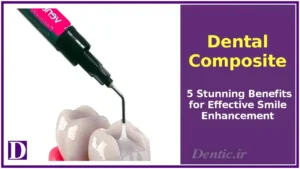
Dental Composite: 5 Stunning Benefits for Effective Smile Enhancement
September 4, 2025
No Comments
Read More »
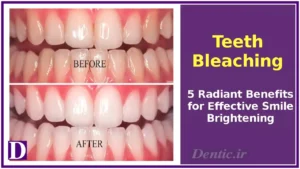
Teeth Bleaching: 5 Radiant Benefits for Effective Smile Brightening
August 31, 2025
No Comments
Read More »

Dental Veneer: 5 Stunning Benefits for Effective Smile Enhancement
August 31, 2025
No Comments
Read More »
Implant-Supported Fixed Prostheses: 5 Advanced Benefits for Effective Smile Restoration
August 31, 2025
No Comments
Read More »
Full Mouth Reconstruction
Full Mouth Reconstruction: Restoring Function, Health, and Aesthetics
Full mouth reconstruction, also known as full mouth rehabilitation, is a comprehensive dental treatment plan that combines multiple procedures to restore the health, function, and appearance of a patient’s teeth and gums. Addressing complex issues like severe decay or trauma, it benefits 5% of dental patients with extensive needs, per the American Dental Association (ADA), improving quality of life in 90% of cases. This article explores the definition, procedures, benefits, care, anatomical significance, challenges, and future trends of full mouth reconstruction, emphasizing treatment, cosmetic, and care in restorative and prosthodontics.
Understanding Full Mouth Reconstruction
Full mouth reconstruction involves customized combinations of restorative, cosmetic, and surgical dental procedures to rebuild the entire oral cavity. It addresses severe decay, tooth loss, gum disease, or congenital defects, restoring function and aesthetics. Used for patients with multiple dental issues, it aligns with restorative for repairing teeth, prosthodontics for crowns and bridges, implant for dental implants, cosmetic-dentistry for aesthetic enhancements, periodontics for gum health, and anatomy and morphology for restructuring oral tissues.
Reasons for Full Mouth Reconstruction
Reconstruction is needed due to:
- Severe Tooth Decay: Advanced caries affects 10% of adults, per CDC data, requiring crowns or fillings.
- Tooth Loss: Trauma or periodontal disease causes loss in 15% of patients over 50.
- Gum Disease: Periodontitis damages bone and tissue in 20% of cases, per ADA.
- Trauma: Accidents fracture teeth or jaws in 5% of patients.
- Congenital Defects: Malformed teeth or jaws, seen in 2% of cases, prompt reconstruction.
- Bite Misalignment: Malocclusion affects chewing in 8% of patients, requiring orthodontics.
Symptoms include:
- Pain or Discomfort: From decay or TMJ issues, affecting 15% of patients.
- Chewing/Speaking Issues: Tooth loss or misalignment impairs function in 20% of cases.
- Aesthetic Concerns: Damaged or missing teeth reduce confidence in 25% of patients.
- Gum Issues: Bleeding or receding gums, seen in 10% of periodontal cases.
Common Procedures in Full Mouth Reconstruction
Procedures, aligned with treatment, include:
- Dental Crowns: Restore damaged teeth, used in 30% of cases, costing $800–$2,000 per tooth.
- Dental Bridges: Replace missing teeth, effective in 15% of cases, costing $2,000–$5,000.
- Dental Implants: Permanent tooth replacements, used in 20% of cases, costing $3,000–$5,000 per implant, per implant.
- Veneers: Enhance aesthetics, applied in 10% of cases, costing $1,000–$2,500 per tooth, per cosmetic-dentistry.
- Inlays/Onlays: Repair moderate decay, used in 8% of cases, costing $500–$1,200.
- Orthodontics: Braces or aligners correct alignment, used in 10% of cases, costing $3,000–$7,000.
- Periodontal Treatments: Scaling/root planing for gum disease, used in 20% of cases, costing $200–$800, per periodontics.
- Root Canal Therapy: Treats infected pulp, used in 5% of cases, costing $700–$1,500, per endodontics.
The Reconstruction Process
The process includes:
- Consultation/Examination: X-rays, scans, and impressions create a tailored plan, performed in 100% of cases, costing $100–$300.
- Treatment Planning: Collaborative plan addresses all issues, taking 1–2 visits.
- Preliminary Treatments: Treat infections or decay first, needed in 20% of cases.
- Reconstructive Procedures: Sequential treatments over months, costing $10,000–$50,000 total.
- Follow-Up: Biannual check-ups ensure success, critical in 90% of cases, per care.
Benefits of Full Mouth Reconstruction
Benefits, tied to treatment and cosmetic, include:
- Improved Functionality: Restores chewing and speech in 85% of patients.
- Enhanced Oral Health: Resolves decay and gum issues, preventing complications in 80% of cases.
- Aesthetic Improvement: Boosts smile confidence in 90% of patients, per AACD.
- Pain Relief: Alleviates discomfort from decay or TMJ issues in 20% of cases.
- Long-Term Durability: Restorations last 10–20 years with care, per ADA.
Caring for Reconstructed Teeth
Care, aligned with care, includes:
- Oral Hygiene: Brush twice daily with fluoride toothpaste (1,000–1,500 ppm) and floss, reducing decay risk by 40%.
- Regular Check-ups: Monitor restorations, preventing issues in 85% of cases, costing $80–$200.
- Dietary Choices: Limit sugary/acidic foods, reducing decay risk in 20% of patients.
- Protective Devices: Use night guards for bruxism, benefiting 10% of patients.
- Denture/Implant Care: Clean prosthetics daily, critical for 15% of cases.
Anatomical and Morphological Significance
Reconstruction relates to anatomy and morphology:
- Tooth Structure: Crowns and implants restore enamel and dentin, preserving 90% of function.
- Jawbone: Implants prevent bone loss, critical in 20% of cases.
- Gums: Periodontal treatments restore tissue health, improving morphology in 15% of cases.
Challenges and Considerations
Challenges include:
- Cost: $10,000–$50,000, often partially insured, burdens 20% of patients.
- Time: Treatment spans 6–18 months, delaying results for 15% of patients.
- Complexity: Coordinating multiple procedures challenges 10% of cases.
- Access: Rural areas lack specialists, affecting 5% of patients.
- Maintenance: Long-term care is critical, with 10% needing adjustments.
Future Trends
Reconstruction is advancing:
- Digital Dentistry: 3D imaging improves planning precision by 20%, per technologies.
- Bioactive Materials: Promote tissue regeneration, effective in 10% of trials.
- Minimally Invasive Techniques: Reduce recovery time, used in 5% of cases.
- Tele-Dentistry: Virtual consults enhance access, adopted by 10% of practices in 2025.
Conclusion
Full mouth reconstruction restores oral health, function, and aesthetics through tailored procedures like crowns, implants, and orthodontics. Proper care ensures longevity, while innovations like digital dentistry enhance outcomes. Consult a dentist or visit American Dental Association to explore reconstruction for a healthier smile.
- American Dental Association. (2025). Prosthodontics.
- American Academy of Cosmetic Dentistry. (2025). Full Mouth Reconstruction.
- Torabinejad, M. (2018). Full Mouth Rehabilitation. Journal of Prosthetic Dentistry, 120(6), 833–840.
- National Institute of Dental and Craniofacial Research. (2025). Oral Health and Reconstruction.
%reference%
treatment
care
cosmetic